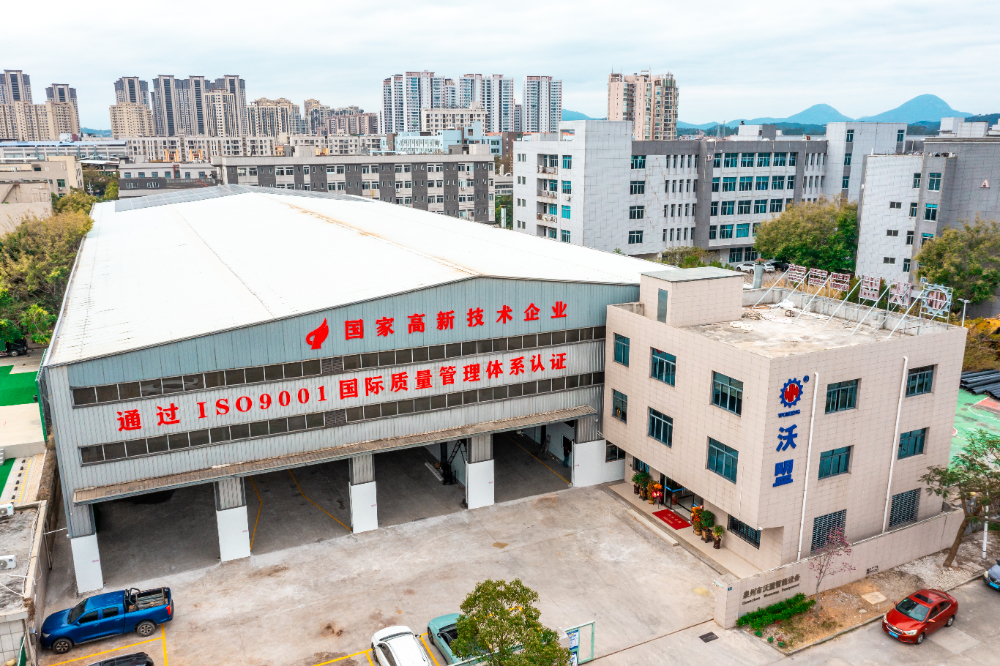

Adult Diaper Manufacturing Machines: Choosing the Right Equipment for Production Efficiency
2026-04-17
In the fast-growing adult diaper market, production efficiency isn't just a goal—it's a necessity. Choosing the right manufacturing equipment can make all the difference, transforming your operations from a bottleneck into a competitive advantage. Enter Womeng, where cutting-edge technology meets practical innovation. In this blog, we'll explore how smart investment in adult diaper manufacturing machines can streamline your production line, reduce waste, and boost profitability. Whether you're scaling up or starting fresh, let's dive into the key considerations that will shape your success.
Understanding Production Volume and Machine Capacity
Grasping the balance between production volume and machine capacity is key for any manufacturing operation aiming to optimize efficiency and reduce waste. Production volume refers to the total output a facility can achieve over a specific period, influenced by factors like demand forecasts and operational goals. Machine capacity, on the other hand, represents the maximum output each piece of equipment can handle under ideal conditions. By aligning these elements, businesses can avoid bottlenecks and overproduction, ensuring a smoother workflow that adapts to market fluctuations.
To effectively assess machine capacity, it's crucial to consider not just the theoretical limits but also practical constraints such as maintenance schedules, worker skill levels, and material availability. For instance, even a high-capacity machine might underperform if it requires frequent downtime for repairs or if operators lack proper training. Regular monitoring and data analysis can reveal patterns, helping managers fine-tune production plans and allocate resources more dynamically, which ultimately enhances overall throughput without straining equipment.
In industries where customer demands shift rapidly, understanding this relationship becomes even more vital. Implementing flexible strategies, like modular production lines or cross-trained teams, allows companies to scale up or down efficiently based on real-time data. This proactive approach minimizes idle time and maximizes asset utilization, contributing to a resilient supply chain that can withstand unexpected challenges while maintaining consistent quality.
Key Features for Enhancing Operational Efficiency
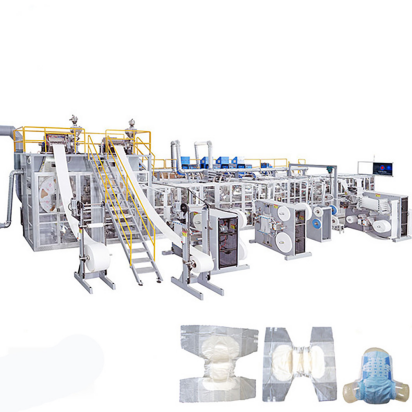
In today's fast-paced business landscape, operational efficiency isn't just a goal—it's a necessity for staying competitive. By implementing smart tools and streamlined workflows, companies can reduce bottlenecks that often go unnoticed until they cause significant delays. For instance, automating routine tasks frees up your team to focus on high-value, creative problem-solving rather than getting bogged down in repetitive manual work. This shift not only boosts productivity but also enhances employee satisfaction, leading to a more dynamic and agile workplace.
Another critical aspect is integrating data-driven insights directly into your operations. With real-time analytics, you can spot inefficiencies as they arise, allowing for immediate adjustments rather than waiting for quarterly reviews. Imagine having a dashboard that highlights potential supply chain disruptions before they impact your bottom line—this proactive approach transforms how you manage resources and mitigate risks. By leveraging such technologies, you create a culture of continuous improvement where every process is constantly optimized for peak performance.
Furthermore, fostering collaboration across departments plays a vital role in enhancing efficiency. When teams share insights and tools seamlessly, silos break down, leading to faster decision-making and innovation. For example, using cloud-based platforms enables remote and in-house staff to collaborate on projects in real-time, eliminating communication gaps that typically slow progress. This interconnectedness ensures that everyone is aligned with organizational goals, driving collective success and making your operations not just efficient, but resilient and adaptable to change.
Material Compatibility and Flexibility in Design
When it comes to crafting products that stand the test of time, material compatibility isn't just a checkbox; it's the foundation of smart design. Imagine building a sleek smartphone—if the glass screen doesn't play nicely with the aluminum frame, you're looking at cracks under pressure or unsightly gaps. That's why we dive deep into how materials interact, from thermal expansion rates to adhesive bonds, ensuring every component works in harmony without compromising aesthetics or durability.
Flexibility in design goes beyond bending curves; it's about adapting to real-world needs without sacrificing integrity. Take a modern office chair, for instance: we select materials like memory foam and breathable mesh not only for comfort but also for their ability to adapt to various body shapes and climates. This approach allows us to create ergonomic solutions that feel custom-tailored, whether you're working from home or a bustling co-working space, all while keeping production efficient and sustainable.
By blending material compatibility with design flexibility, we unlock creative possibilities that others might overlook. Consider a water bottle designed for active lifestyles—using food-grade silicone for the cap and BPA-free plastic for the body ensures safety and ease of cleaning, but it's the flexible grip and modular parts that let users swap lids or add accessories. This synergy means products aren't just functional; they evolve with your needs, making everyday use a seamless, personalized experience.
Integrating Automation for Streamlined Workflows
By weaving automation into the fabric of daily operations, businesses can transform tedious, repetitive tasks into seamless, efficient processes that free up valuable human resources. This integration isn't just about adding new tools; it's about rethinking workflows from the ground up to eliminate bottlenecks and reduce manual intervention. When automation is thoughtfully embedded, it enables teams to focus on creative problem-solving and strategic initiatives, fostering an environment where productivity naturally accelerates without the constant oversight of routine duties.
Rather than viewing automation as a standalone solution, leading organizations treat it as a dynamic partner that adapts to evolving needs. By leveraging technologies like robotic process automation, machine learning, and AI-driven analytics, they create intelligent workflows that learn from user interactions and optimize themselves over time. This approach not only enhances accuracy and consistency but also builds resilience, allowing systems to handle unexpected challenges with minimal disruption, ultimately crafting a workflow that feels less robotic and more intuitively aligned with human goals.
The key to successful integration lies in tailoring automation to reflect the unique rhythms of each team, ensuring it complements rather than complicates their efforts. By starting with small, high-impact areas—such as data entry or customer follow-ups—companies can demonstrate quick wins that build momentum and trust. As these automated elements interlock, they form a cohesive ecosystem that scales effortlessly, turning fragmented tasks into a streamlined symphony of efficiency that drives sustained growth and innovation.
Maintenance Requirements and Long-Term Durability
Maintenance isn't just about fixing things when they break; it's a proactive strategy that ensures your investments last. By adopting a regular upkeep schedule, you can spot potential issues early, preventing minor wear from turning into costly repairs. This approach not only saves money in the long run but also keeps operations smooth and reduces unexpected downtime. Think of it as a partnership with your equipment—one that pays off with years of reliable service.
Durability isn't about indestructibility; it's about resilience over time. Materials and construction methods today are tailored to withstand environmental challenges, from harsh weather to heavy use. For example, using corrosion-resistant alloys or reinforced structures can significantly extend an asset's lifecycle. By prioritizing such features, you're not just buying a product—you're investing in peace of mind, knowing it will hold up against the test of time and daily demands.
Combining smart maintenance with durable design creates a synergy that outlasts the competition. Regular checks, like lubrication or software updates, complement robust engineering, ensuring performance doesn't degrade. This holistic view helps avoid the common pitfall of neglecting upkeep until failure strikes, instead fostering a culture of care that enhances longevity. Ultimately, it's this blend of diligence and quality that defines true durability, setting you apart with assets that stay strong and functional for decades.
Cost Analysis and Return on Investment Considerations
Understanding the financial implications of any project is crucial, and cost analysis serves as the foundation for making informed decisions. It involves breaking down expenses into categories like initial investment, operational costs, and potential hidden fees, allowing stakeholders to see where resources are allocated. By thoroughly examining these elements, organizations can identify cost-saving opportunities and avoid unexpected financial strain down the line.
Return on investment (ROI) goes beyond simple cost tracking by linking expenditures to tangible outcomes, such as increased revenue or improved efficiency. Calculating ROI often requires a nuanced approach—considering both quantitative metrics and qualitative benefits like enhanced customer satisfaction or employee retention. This dual perspective helps justify investments that might not yield immediate monetary returns but contribute to long-term strategic goals.
In practice, combining robust cost analysis with ROI considerations fosters smarter budgeting and resource allocation. For instance, by prioritizing high-impact projects with favorable ROIs, companies can maximize their financial health while adapting to market changes. This holistic view not only supports economic resilience but also encourages innovation, as teams can confidently pursue initiatives backed by solid financial insights.
FAQ
When choosing adult diaper manufacturing machines, key factors include production capacity (e.g., units per minute), the type of diapers (e.g., tape-on or pull-up), material compatibility (e.g., superabsorbent polymers and non-woven fabrics), automation level, machine flexibility for product variations, and cost-effectiveness including initial investment and maintenance.
Higher automation in these machines boosts efficiency by reducing manual labor, minimizing errors, and speeding up production. Features like automatic material feeding, cutting, and packaging can increase output consistency and lower operational costs, making the process more streamlined.
Machines vary to produce tape-on diapers (suitable for bedridden users), pull-up styles (for active wear), or both. Choosing equipment depends on target market needs: tape-on machines might prioritize absorbency, while pull-up machines focus on fit and comfort, influencing design and material handling capabilities.
Material compatibility is essential because adult diapers use specific components like superabsorbent polymers, non-woven fabrics, and elastic bands. Machines must handle these materials without damage to ensure product quality, absorbency, and comfort, preventing production delays or waste.
To ensure cost-effectiveness, manufacturers should evaluate the total cost of ownership, including purchase price, energy consumption, maintenance needs, and spare parts availability. Opting for scalable or modular machines allows for future upgrades without full replacements, balancing upfront costs with long-term savings.
Recommended maintenance includes regular cleaning to prevent material buildup, lubrication of moving parts, inspection of wear components like blades and seals, and software updates for automated systems. Proactive maintenance reduces downtime and extends machine lifespan, keeping production on track.
Machine flexibility allows quick adjustments to product size, design, or materials, enabling manufacturers to respond to trends like eco-friendly options or new comfort features. Flexible machines reduce retooling time and costs, supporting innovation and competitiveness in a dynamic market.
Common challenges include material jams, inconsistent product quality, and high energy use. Mitigation strategies involve thorough operator training, using high-quality raw materials, implementing real-time monitoring systems, and choosing machines with robust safety and efficiency features to minimize disruptions.
Conclusion
When selecting adult diaper manufacturing machines, choosing the right equipment is pivotal for enhancing production efficiency and meeting market demands. Understanding production volume and machine capacity ensures that the machinery can handle required outputs without overextending resources, while key features like high-speed operation, precision in cutting, and ease of adjustment bolster operational efficiency. Material compatibility and flexibility in design allow for adaptation to various diaper types and materials, enabling manufacturers to respond swiftly to changing consumer preferences and sustainability trends. By integrating automation into workflows, production lines can achieve streamlined processes, reducing manual interventions and minimizing errors, which in turn boosts overall throughput and consistency. This holistic approach not only optimizes day-to-day operations but also sets a solid foundation for scaling production as demand grows.
In addition, maintenance requirements and long-term durability are critical factors that influence the total cost of ownership and reliability over time. Regular upkeep and robust construction help prevent costly downtimes, ensuring continuous operation and safeguarding investments. Cost analysis and return on investment considerations should encompass not only the initial purchase price but also operational expenses, energy consumption, and potential savings from reduced labor and waste. By weighing these aspects, manufacturers can make informed decisions that balance upfront costs with long-term benefits, ultimately driving profitability and ensuring a competitive edge in the adult diaper industry. A thoughtful selection process that integrates all these dimensions can lead to sustainable growth and enhanced production outcomes.
Contact Us
Contact Person: Jessie Lai
Email: [email protected]
Tel/WhatsApp: 86-188594442931
Website: https://www.wm-machinery.com