

All-Weather Car Mat Supplier Guide to Durable Floor Protection
2026-09-03
Mud, snow, spilled coffee—your car's floor takes a beating no matter the season. The right all-weather mats mean the difference between a ruined carpet and a quick rinse. But with so many suppliers claiming durability, how do you separate real protection from flimsy rubber? This guide cuts through the noise, showing you what to look for in materials, fit, and long-term performance. Along the way, you'll see why FANDEWEI has become a name worth knowing for drivers who demand more from their floor protection.
What 'All-Weather' Actually Means in Rubber Compounds
In the rubber world, "all-weather" gets tossed around like it's a single additive you can pour into a mixer. It isn't. A compound earns that label only when it holds its grip, flexibility, and tear strength across a genuinely hostile range of conditions—freezing rain one week, desert sun the next, and maybe a coastal salt spray in between. That means the polymer backbone has to resist ozone cracking, the plasticizer can't stiffen at -20°F or bleed out at 120°F, and the filler system needs to stay dispersed when thermal cycling tries to pull it apart.
Most failures happen at the formulation level, not on the road. A compound that shines in cold weather might turn gummy in summer heat if the cure system leans too heavily on sulfur and not enough on peroxide or EV crosslinks. UV stabilizers help, but they're only one piece. The real secret is balancing low-temperature elasticity with high-temperature compression set—two properties that normally fight each other. That's why you'll see formulators blend EPDM with butyl or add ester-based plasticizers that stay fluid when paraffinic ones turn waxy.
So when a supplier says "all-weather," ask what that actually covers. Does it mean -40°F cold flex? Salt fog resistance? Ten years of UV without surface chalking? If the answer is just a generic passing grade on one accelerated weather test, it's probably not all-weather in any meaningful sense. True all-weather compounds are tuned for the worst combination of conditions a part will ever see, not the average.
Why Edge-to-Edge Coverage Beats a Universal Fit
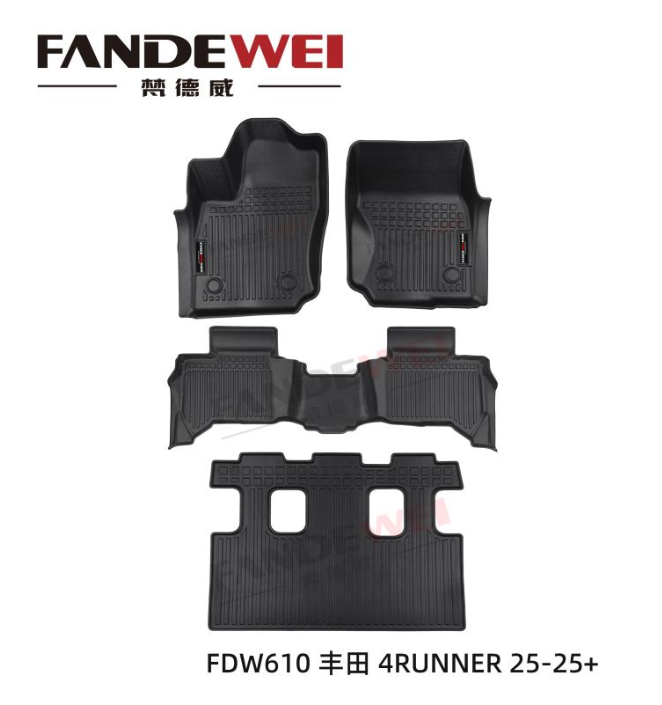
A universal fit sounds convenient until you notice the gaps. Most generic covers stop just short of the edges, leaving the most vulnerable parts of your device exposed to dust, moisture, and impact. The extra millimeter might not seem like much on paper, but it's often where the first crack or scratch appears. Over time, those uncovered borders also collect grime that works its way underneath, making the whole setup look worn and neglected.
Edge-to-edge coverage eliminates that weak point entirely. By extending the material to the very perimeter, it hugs the contours of your device instead of floating over the center. This means the screen or surface gets a continuous shield, with no awkward seams or raised edges to catch on your pocket or bag. The fit also feels more intentional, almost like a second skin rather than an afterthought. When pressure is applied near the corners, it disperses across the entire surface instead of concentrating at a single exposed point.
In daily use, the difference shows up quickly. A universal fit might survive a few minor bumps, but one drop onto a corner is usually enough to prove its limits. Edge-to-edge designs are built to take that hit and keep going, because the protection doesn't stop where the product ends. The added coverage also improves the overall look, keeping lines clean and reducing the visual distraction of a mismatched outline. Once you've lived with a full-coverage option, going back to a one-size-fits-all piece feels like a step backwards.
The Fastest Way to Test a Mat's Grip Before You Buy
Rub the mat's surface with the ball of your foot using quick, short strokes. A reliable grip should bite back instantly, creating a slight resistance that stops your foot from sliding even when you lean into it. If the mat feels slick or your foot glides without effort, that's a red flag—no matter how thick or cushioned it looks. The best mats grab your skin or sock right away, without needing break-in time or a layer of sweat.
Press down with your palm and twist. This simulates what happens during a fast transition or a sweaty flow. The surface should fight the rotation, not polish it. Listen for that faint rubbery squeak or feel the texture dig in—good grip often announces itself with a subtle stick that doesn't leave residue on your hands. If the mat whispers instead of grips, keep looking.
Do a quick lunge test right in the store or on your carpet at home. Plant your front foot hard, push off, and see if the mat shifts under you. A mat that stays put while your foot stays grounded on its surface means the top layer and the backing work together. That combination—not just a sticky coating—is what separates a mat that supports you from one that turns your practice into a balancing act.
How Heat, Salt, and UV Exposure Quietly Destroy Cheap Mats
Low-cost mats usually rely on soft PVC or EVA foam that starts to break down at surprisingly moderate temperatures. A mat left in a parked car or on a sun-baked balcony will gradually curl at the edges, lose its cushion, or develop a tacky film as plasticizers rise to the surface. Once that softening begins, the material never really firms back up the same way.
Salt works less like a blunt force and more like a slow grinder. Sweat, sea air, or road salt gets pressed into the mat's surface, then dries into tiny hard crystals. Every roll, fold, or footstep rubs those crystals against the foam or fiber, opening micro-tears that grow wider each week. In humid coastal conditions, salt also traps moisture against the backing and quietly accelerates oxidation.
UV light attacks the polymer chains themselves. On a deck, near a south-facing window, or in the bed of a truck, ultraviolet exposure first fades the color, then makes the top layer brittle. The mat may hold up visually for a while, but eventually it cracks along stress lines or flakes away in thin sheets because the material has lost its flex. None of these forces usually cause one sudden failure. They pile up slowly until the mat stops doing what it was bought to do.
A Practical Cleaning Routine That Won't Ruin the Tread
Most aggressive tire cleaners strip away the protective oils embedded in rubber, leaving the tread brittle and prone to cracking. A practical routine starts with plain warm water and a few drops of mild dish soap, nothing fancier. Dip a soft-bristled brush or an old toothbrush into the solution and work it gently along the grooves, letting the bristles do the work instead of your muscle. Avoid any degreaser that lists petroleum distillates on the label, as those eat into the tread compound over time.
Skip the pressure washer entirely. That high-velocity spray forces water into micro-cracks in the tread, which accelerates aging and can even separate the tread from the carcass on older tires. Instead, use a damp sponge or microfiber cloth to wipe the soapy surface, then rinse with a handheld pump sprayer or a low-flow hose nozzle. For stubborn pebbles or dried mud lodged in the sipes, let the area soak for a few minutes first, then pick them out with a wooden skewer or a plastic trim tool. Metal picks scratch the rubber and create weak points.
Let the tire air-dry in the shade, never under direct sun or with a heat gun, because heat oxidizes the rubber and dulls the tread surface. While it is still slightly damp, you can apply a water-based tire dressing, but only a thin coat wiped on with a foam applicator. Heavy silicone-based products puddle in the grooves and reduce wet traction, so less is always better. Finish by running your finger through the tread channels to confirm nothing is left behind, and check the overall depth to make sure your cleaning routine has not hidden any uneven wear.
Questions to Ask Any Supplier Before You Commit
Before you sign anything, dig into how the supplier handles production timelines and delays. Ask for a written breakdown of their current lead times, what happens if they miss a shipping date, and whether they carry buffer stock for your specific SKU. Most problems start here, not with product quality, so pin them down on concrete numbers rather than accepting “usually two weeks” as an answer.
You also need clarity on quality control. Request samples from the actual production line, not the showroom batch, and ask who inspects each order before it leaves the factory. Find out their defect rate tolerance and their policy on rework or refunds when a shipment falls below standard. If they resist giving you a written QC checklist, that’s a signal to walk away.
Finally, ask about communication and order changes. Who is your day-to-day contact? How quickly do they respond when you need to adjust a purchase order or packaging spec? A supplier that cannot commit to a response time before you pay will not magically become responsive after the invoice clears.
FAQ
Pick a supplier that offers precise laser-measured patterns for your vehicle rather than generic trim-to-fit sheets. Check the mat thickness, raised edge height, and whether the retention clips match your factory anchors. A supplier with a solid return policy and real customer photos is worth more than flashy ads.
Rubber and thermoplastic mats beat carpet for mud, snow, and spills because they trap liquid and rinse clean. Carpet mats look nicer but soak up moisture and salt, leading to odors and rust. For daily winter or off-road use, go with a heavy-duty rubber or TPE compound.
Look for suppliers that list exact year, make, and model compatibility, not just 'universal fit.' Many use 3D scanning of the floor pan to create molds that cover dead pedal areas and seat tracks. If possible, compare photos of the mat installed in your exact vehicle generation.
Rinse them with a hose and mild soap, then scrub with a stiff brush for deep grooves. Avoid petroleum-based cleaners that can dry out rubber. Let them air dry completely before reinstalling to prevent trapped moisture and mildew under the mat.
Quality mats made from TPE or vulcanized rubber stay flexible in sub-zero temperatures and won't warp in desert heat. Cheap PVC mats can crack when cold or emit a strong odor when hot. Ask the supplier for the material's temperature rating before buying.
OEM mats are designed by the car manufacturer for a perfect fit but often cost more and may have lower side walls. Aftermarket mats from a specialized supplier can offer deeper channels, thicker material, and extra coverage for less money, but quality varies widely by brand.
Some suppliers now offer mats made from recycled rubber or bio-based TPE without phthalates or latex. These perform as well as traditional materials but reduce environmental impact. Look for certifications like Greenguard or statements about low VOC emissions if that matters to you.
Conclusion
When a supplier labels mats as all-weather, the claim hinges on the rubber compound rather than just thickness. A quality formulation uses EPDM or a similar synthetic rubber with high resistance to temperature swings, ozone, and cracking, while cheap blends soften in summer heat and turn brittle below freezing. Edge-to-edge coverage matters more than most buyers realize: universal-fit mats leave gaps along the center tunnel and dead pedal area, letting slush and road salt seep into the carpet. Before buying, bend a corner of the mat sharply and rub your thumb across the surface texture. A mat that creases white or feels slick when wet will not hold boots securely. Over time, heat, salt, and UV exposure quietly destroy bargain mats through fading, warping, and loss of elasticity, so those early savings vanish after one winter.
For cleaning, skip harsh degreasers and stiff wire brushes. A pH-neutral car shampoo, lukewarm water, and a soft bristle brush lift dirt without stripping the rubber's natural oils or tearing the tread pattern. Rinse thoroughly and let the mat air dry away from direct sun to prevent curling. When talking to any supplier, ask what specific compound they use and whether they provide UV stabilizers or salt-spray test results. Request the exact floor scan or laser measurement data for your vehicle rather than accepting a generic size chart. Also ask about warranty terms for cracking, fading, and fitment defects, and whether they can send a physical sample before you commit to a bulk order. A supplier who answers these questions clearly has already invested more in the product than one who hides behind vague marketing language.
Contact Us
Contact Person: Jet
Email: [email protected]
Tel/WhatsApp: 8619903745266
Website: https://www.fandewei.com/