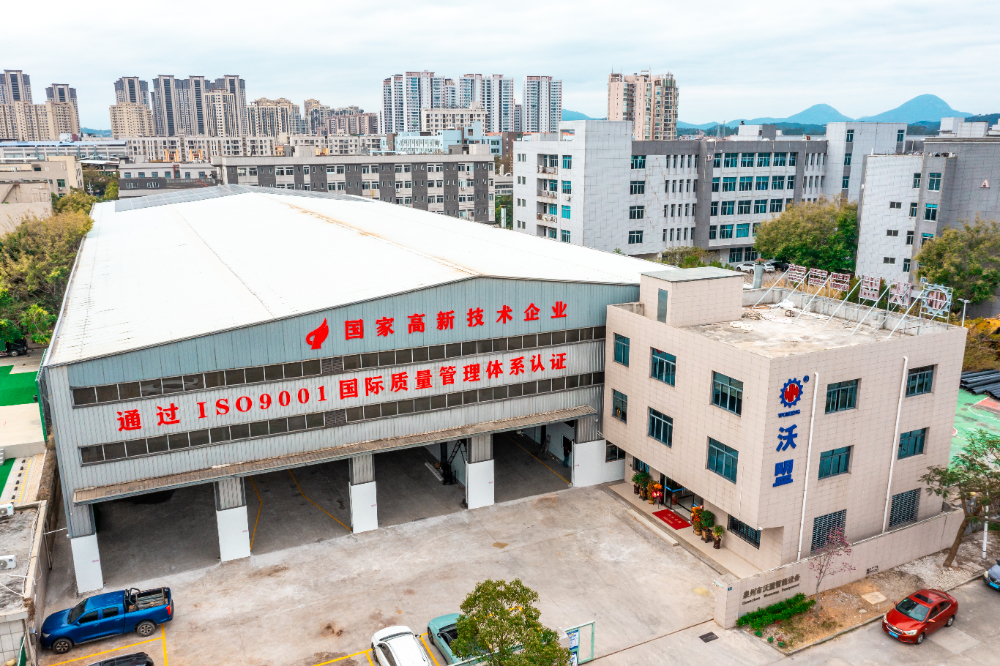

Automating Personal Care: Full Servo Sanitary Napkin Making Machine
2026-04-22
Imagine a world where feminine hygiene products are manufactured with the precision of high-tech robotics and the care of dedicated craftsmanship. This isn't a distant future—it's happening now with innovations like the Womeng Full Servo Sanitary Napkin Making Machine. As we delve into the fascinating world of automated personal care, we'll explore how this cutting-edge machine is revolutionizing production lines, ensuring top-quality sanitary napkins reach women everywhere. From enhanced efficiency to improved product consistency, join us as we uncover the engineering marvels behind this technology and what it means for the industry. Let's dive in and see how automation is shaping the future of personal care, one machine at a time.
How Full Servo Technology Transforms Sanitary Napkin Manufacturing
When you think about how full servo technology is shaking up sanitary napkin production, it's all about precision and speed. Unlike old-school mechanical drives that can get clunky and waste materials, servos let machines adjust on the fly. This means less downtime for tweaks and more consistent output, making each pad just right for comfort and quality.
Another big change is how it streamlines the whole process. With servos, different parts of the line—like cutting, folding, and packaging—talk to each other seamlessly. That cuts down on errors and scrap, saving money and helping the planet by using resources smarter. It's not just a tech upgrade; it's a smarter way to make things.
Looking ahead, this tech opens doors for more customization and personalization. Want unique designs or specific features? Servos can handle it without slowing production. That flexibility is key in a market where consumers expect more tailored products and faster delivery, putting manufacturers ahead of the curve.
Key Features of the Automated Sanitary Napkin Production Line
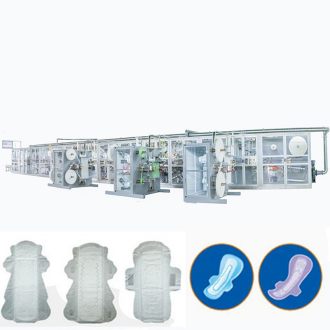
Imagine a production line that hums with precision, transforming raw materials into finished sanitary napkins in a seamless flow. The key features of this automated system are truly remarkable: it integrates cutting-edge sensors and robotics to handle everything from material feeding to packaging, all with minimal human intervention. This not only boosts efficiency but also ensures consistent quality across every batch, reducing waste and enhancing reliability for manufacturers.
What sets this automated napkin production line apart is its adaptability to various product designs and specifications. With smart control panels, operators can easily tweak settings for different absorbency levels, shapes, and sizes, allowing for quick customization without halting production. This flexibility means businesses can respond swiftly to market trends or customer demands, keeping their offerings fresh and competitive.
Beyond speed and versatility, the line prioritizes hygiene and safety, incorporating advanced contamination control measures like air filtration systems and automated cleaning protocols. These features help maintain a sterile environment, crucial for producing personal care items. By streamlining operations, this automated setup not only cuts costs but also supports sustainable practices through optimized resource use and reduced energy consumption.
Benefits of Automating the Personal Care Product Assembly Process
Automating the assembly of personal care products brings clear efficiency gains, allowing companies to meet the rising consumer demand for items like shampoos and skincare creams. By replacing manual tasks with robotic systems, production lines can maintain consistent output around the clock, minimizing delays from human fatigue or shift changes. This steady workflow helps ensure products are readily available on shelves, especially during peak seasons or new product launches, boosting overall reliability in supply chains.
Beyond speed, automation enhances precision and quality control, which is crucial in an industry where consistency in packaging, fill levels, and ingredient mixing directly impacts brand trust. Automated machines can detect and correct minor errors in real-time, such as misaligned labels or uneven caps, reducing waste from defects and recalls. This level of accuracy not only cuts costs but also aligns with growing consumer expectations for flawless, safe products, reinforcing customer loyalty through dependable performance.
Another subtle yet significant benefit is the adaptability of automated systems to handle diverse product lines without extensive retooling. In the fast-evolving personal care market, where trends shift quickly—from organic formulations to eco-friendly packaging—robotic assemblers can be reprogrammed to accommodate new designs or materials. This flexibility empowers brands to innovate rapidly, staying ahead of competitors while maintaining operational efficiency, all without compromising on the consistency that automation provides.
Operational Efficiency Gains with Servo-Driven Machinery
Switching to servo-driven machinery can really transform how operations run by cutting down on waste and speeding up production. Unlike traditional systems that rely on constant motion, servos adjust precisely to what's needed—think less energy use and fewer materials wasted. This isn't just about saving a few bucks; it's about making processes smoother and more responsive to changes in demand, so your machines don't just work harder, they work smarter.
One of the standout perks is the way servo tech boosts accuracy and reliability. Picture a machine that can tweak its movements in real-time, slashing errors and downtime. This leads to better-quality products and less rework, which means you're not just faster but also more consistent. It's those little improvements that add up, turning small gains into big wins for overall efficiency without breaking the bank on maintenance.
Beyond the basics, servo-driven setups let you customize workflows like never before. With easy integration into digital systems, you can monitor and adjust performance on the fly, giving teams more control and flexibility. This adaptability makes it easier to scale up or pivot as needed, keeping operations agile in a fast-paced world. Ultimately, it's about building a setup that grows with you, delivering steady gains that keep you ahead of the curve.
Ensuring Product Quality and Consistency Through Automation
Automation has become a cornerstone in modern manufacturing and service industries, enabling companies to maintain high product quality and consistency with precision. By integrating automated systems, businesses can reduce human error and variability that often arise in manual processes. For example, robotic assembly lines ensure that each component is fitted exactly as specified, while automated inspection tools use sensors and cameras to detect defects that might be missed by the human eye. This not only enhances the reliability of the final product but also builds customer trust through consistently delivered excellence.
One compelling aspect of automation is its ability to adapt and scale without compromising standards. As production volumes increase, automated systems can be programmed to repeat tasks flawlessly, ensuring that every unit meets the same stringent criteria. This is particularly vital in sectors like pharmaceuticals and electronics, where even minor deviations can lead to significant issues. Moreover, real-time data collection from automated processes allows for immediate adjustments, fostering a proactive approach to quality control rather than a reactive one.
Beyond mere repetition, automation fosters innovation in quality assurance by leveraging technologies like machine learning and artificial intelligence. These advanced systems can analyze patterns over time, predict potential failures, and suggest improvements, thereby continuously elevating product standards. This dynamic capability ensures that businesses not only meet current quality benchmarks but also stay ahead of evolving market demands, making automation an indispensable tool for long-term success in competitive landscapes.
Future Trends in Automated Hygiene Product Manufacturing
The acceleration of automation in hygiene product manufacturing is reshaping the industry, with a notable shift towards smart facilities that integrate advanced robotics and Internet of Things (IoT) technology. This evolution not only boosts production efficiency by minimizing human error and streamlining workflows but also enhances quality control through real-time monitoring systems. For instance, automated dispensers and assembly lines are increasingly common, allowing for faster turnaround in producing items like soap, sanitizers, and personal protective equipment. Such trends reduce operational costs while meeting the growing global demand for hygiene solutions, particularly in sectors like healthcare and hospitality.
Sustainability is emerging as a core driver in automated hygiene manufacturing, pushing companies to adopt eco-friendly processes and materials. Innovations include energy-efficient machinery that cuts down on waste and emissions, alongside the use of biodegradable or recycled components in products like tissue paper and disinfectants. By leveraging automation, manufacturers can precisely control resource usage, reducing environmental footprints without compromising on hygiene standards. This approach not only appeals to environmentally conscious consumers but also aligns with regulatory pressures for greener practices, setting a competitive edge for forward-thinking businesses in the market.
Looking ahead, the integration of artificial intelligence (AI) and machine learning is poised to transform hygiene product manufacturing by enabling predictive maintenance and customized production. These technologies allow systems to analyze data from sensors to anticipate equipment failures, preventing downtime, and optimize supply chains for just-in-time delivery. Additionally, AI-driven insights can help tailor products to specific consumer needs, such as hypoallergenic sanitizers or ergonomic packaging designs. As these trends converge, the industry moves beyond mere automation to a more adaptive, responsive manufacturing model that prioritizes both efficiency and innovation, ensuring ready access to essential hygiene items in dynamic market conditions.
FAQ
It's an advanced automated system designed to manufacture sanitary napkins with high precision using servo motors for enhanced efficiency and quality control.
Automation boosts production speed, ensures consistent product quality, reduces labor costs, and minimizes material waste by using precise servo-controlled mechanisms.
Key features include multi-axis servo control for accurate material handling, user-friendly interfaces for easy operation, automatic fault detection, and energy-saving designs to cut operational costs.
Yes, it's highly adaptable, able to produce various sizes and types, such as ultra-thin, regular, and overnight pads, through programmable settings and quick changeover capabilities.
Servo motors offer precise control over movements, leading to smoother operations, higher output consistency, reduced downtime, and lower maintenance needs compared to traditional systems.
It incorporates enclosed design elements, automatic sterilization zones, and material handling that minimizes human contact, adhering to strict sanitary standards to prevent contamination.
Production capacities vary widely, but advanced models can produce hundreds of sanitary napkins per minute, depending on the configuration and material specifications.
Companies invest to gain a competitive edge through increased efficiency, superior product quality, scalability for growing demand, and long-term cost savings from automation.
Conclusion
The integration of full servo technology in sanitary napkin manufacturing marks a transformative shift in the personal care industry, driving unprecedented efficiency and precision. This automation revolutionizes production lines by replacing traditional mechanical systems with advanced servo-driven machinery, enabling seamless synchronization and real-time adjustments. Key features such as programmable logic controllers and high-speed servo motors ensure that every aspect of the manufacturing process, from material feeding to packaging, is optimized for speed and accuracy. By automating the assembly process, companies benefit from reduced labor costs and minimized human error, leading to significant operational efficiency gains. Servo-driven systems allow for flexible production runs and quick changeovers, adapting to varying product specifications without downtime. Moreover, this technology enhances product quality and consistency, as precise control over tension, alignment, and cutting ensures that each sanitary napkin meets stringent standards, improving reliability for end-users.
Looking ahead, future trends in automated hygiene product manufacturing point toward even greater integration of smart technologies, such as IoT sensors and AI-driven analytics, which will further refine production monitoring and predictive maintenance. The benefits extend beyond operational metrics to include sustainability, as reduced waste and energy-efficient designs align with evolving consumer demands. This evolution positions full servo sanitary napkin making machines as a cornerstone of innovation, offering a competitive edge in a rapidly advancing market. By embracing these advancements, manufacturers can not only streamline their processes but also foster a reputation for high-quality, dependable products that resonate with modern consumers. The convergence of automation and personal care continues to shape an industry where precision, efficiency, and adaptability are paramount, ensuring long-term growth and customer satisfaction.
Contact Us
Contact Person: Jessie Lai
Email: [email protected]
Tel/WhatsApp: 86-188594442931
Website: https://www.wm-machinery.com