

Bag in Box for Wine: Selecting the Ideal Option for Your Needs
2026-08-07
When it comes to preserving wine's freshness and flavor, the bag-in-box solution has quietly revolutionized how we enjoy our favorite vintages. But not every option on the market lives up to its promise—choosing the right one can make all the difference between a perfectly poured glass and a disappointing leak. At Kody, we understand that the ideal bag in box goes beyond simple storage; it's about convenience, sustainability, and an uncompromised tasting experience. In this guide, we’ll explore what truly matters when selecting a bag-in-box system for wine, so you can savor every last drop with confidence.
Why Bag-in-Box Wine Deserves a Second Look
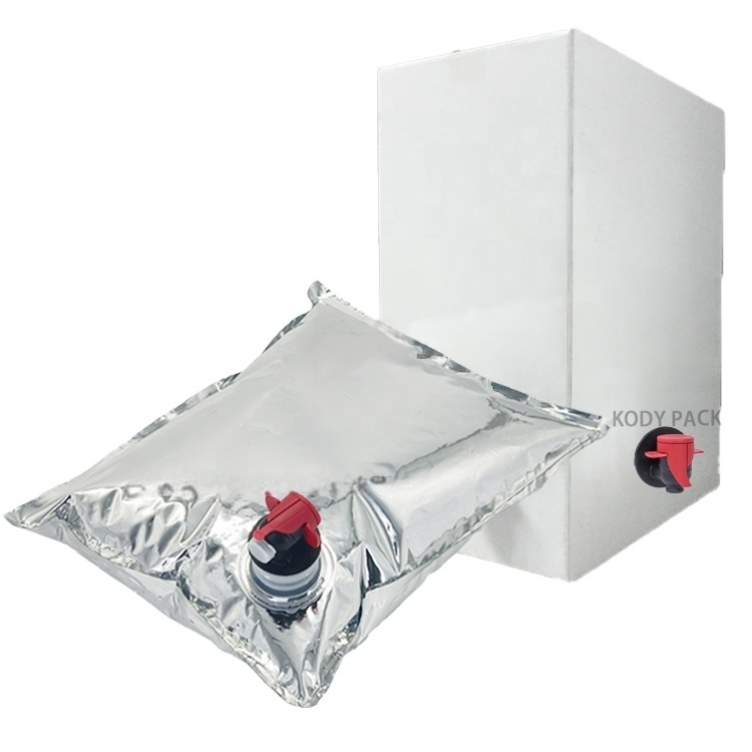
For years, bag-in-box wine was unfairly dismissed as a cheap, low-quality option reserved for camping trips or budget parties. But the technology behind these boxes has evolved dramatically, and so has the wine inside them. The multilayer bag and airtight tap work together to prevent oxidation, meaning the wine stays fresh for weeks after opening—something no cork-sealed bottle can claim. This preservation isn’t just convenient; it fundamentally changes how you can enjoy wine, allowing you to pour a single glass without worrying about the rest going to waste.
Beyond the practical perks, many respected wineries are now putting high-grade, thoughtfully crafted wines into boxes. From crisp Sauvignon Blancs to smooth Tempranillos, the options are worlds away from the generic, sweet reds that once defined the category. Because the format is lighter and more compact, it has a lower carbon footprint to ship, which appeals to environmentally conscious drinkers without sacrificing taste. It’s a quiet revolution that’s putting quality and sustainability side by side in a very unfussy package.
There’s also something refreshingly honest about pouring wine from a box. It strips away the ceremony and pretense that can make wine feel intimidating. Whether you’re unwinding after a long day or hosting a casual dinner, grabbing a box from the fridge feels natural and unforced. It’s less about labels and scores and more about what truly matters: good wine made accessible, kept fresh longer, and enjoyed on your own terms.
Freshness That Lasts: The Science Behind the Bag
It starts with the material. We don't just rely on a simple plastic barrier—our bags use a multi-layer film engineered at the molecular level. The innermost layer is designed to be exceptionally impermeable to oxygen and moisture, two of the biggest enemies of freshness. But it's not just about keeping things out; it's also about managing what's inside. The microscopic pores in the film are calibrated to allow just the right amount of respiration, so produce can release natural gases without drying out or suffocating. This delicate balance keeps fruits and vegetables in a state of suspended freshness, as if they were just picked.
Then there's the sealing technology. A lot of bags claim to be airtight, but ours uses a patented triple-track zipper that creates a labyrinth seal—almost like a series of tiny interlocking teeth. When you press it shut, you can actually hear the air being trapped and locked out. Even if the bag gets tossed around in the fridge or freezer, that seal won't give way. It's the same principle used in industrial food packaging, scaled down for home use. And unlike traditional slider seals that wear out over time, this one maintains its grip through repeated openings and closings, so you're not compromising protection every time you grab a snack.
Finally, we added an antimicrobial coating that's baked into the bag during production. It's not a sprayed-on afterthought—it's part of the film itself, created with food-safe silver ions that disrupt bacteria cell membranes on contact. You won't see it or taste it, but it actively suppresses mold and odor-causing microbes, especially in high-moisture foods like berries or leafy greens. Combined with the oxygen control and seal integrity, this triple-action system means your food stays visually appealing, crisp, and flavorful days longer than you'd expect. No tricks, just applied science that respects the food's natural biology.
From Picnics to Parties: When Boxed Wine Shines
There’s something effortlessly charming about boxed wine at a picnic. No glass bottles to clink nervously in your basket, no corkscrew forgotten on the kitchen counter. The compact, lightweight design slips easily into a cooler or tote, and the built-in tap means you can top off a cup without missing a beat of conversation. A chilled rosé or crisp white from a box feels at home on a blanket under the sun, making every sip feel less fussy and more celebratory.
At parties, boxed wine becomes the ultimate social lubricant. It’s hard to beat the convenience of a self-serve station that doesn’t need constant attention—guests simply refill as they please, and the wine stays fresh for weeks thanks to that clever vacuum-sealed bag inside. Whether it’s a backyard barbecue, a game night, or a casual dinner with friends, a box of red or a vibrant spritz blend keeps flowing without the waste of half-empty bottles. It’s the kind of unpretentious pour that encourages everyone to relax and stay awhile.
The best part? No one has to know it came from a box. The quality of today’s options can rival bottled counterparts, and the freedom to focus on the moment rather than the logistics of drink service is a quiet luxury. From sunny afternoons in the park to late-night kitchen dance parties, boxed wine proves that great gatherings don’t demand a lot of fuss—just good company and a drink that’s ready to share.
Wallet-Friendly Wines Without the Compromise
Finding a genuinely delightful wine that doesn’t drain your bank account can feel like hunting for a unicorn. But it’s far from impossible. The secret lies in looking beyond the famous labels and exploring regions that deliver exceptional quality at a fraction of the cost. Places like Portugal’s Douro Valley, Chile’s Maule, or Spain’s Jumilla often fly under the radar, yet their old vines and unique terroirs produce bottles bursting with character. A crisp Vinho Verde or a silky Garnacha can rival wines twice their price, proving that smart shopping is the key to unlocking hidden gems.
Equally important is understanding what you actually enjoy, rather than chasing ratings or prestige. Do you crave zesty acidity or lush, ripe fruit? Are you pairing with a Tuesday night pasta or a lazy Sunday roast? By zeroing in on your palate and occasion, you can dodge the markup that comes with famous appellations. For instance, if you love buttery Chardonnay, try an unoaked version from South Africa’s Western Cape—it often delivers that creamy texture without the Napa price tag. Similarly, fans of bold Cabernet might fall for an Argentine Bonarda, which offers plush dark fruit and spice at a remarkably gentle tariff.
Don’t underestimate the power of a good wine merchant, either. Build a rapport with your local shop and be upfront about your budget. The best ones will hand-sell treasures that never make it to supermarket shelves—small-production bottles from family estates where passion outweighs marketing budgets. Buying in bulk or joining a wine club can also stretch your dollar further, but the real joy comes from the discovery itself. When you find a $12 bottle that makes you pause and smile, you’ve beaten the system—and your wallet stays happily intact.
Space-Saving Storage Solutions for Wine Lovers
Living with a passion for wine in a compact home often means learning to think vertically. The walls themselves can become your cellar when you install slim, wall-mounted racks that hold bottles by the neck, displaying labels like art while taking up almost no floor space. Under-stair nooks, often wasted, transform beautifully into climate-controlled havens with custom shelving that follows the slope—a quiet corner that feels both hidden and intentional.
Furniture that multitasks is a quiet revolution for urban collectors. A sleek console table in the entryway might open to reveal angled bottle compartments, while a storage ottoman in the living room can keep a case of everyday reds out of sight but within reach. Even the gap between kitchen cabinets and ceiling becomes useful with a shallow pull-down rack, turning dead air into a practical reserve for wines you plan to enjoy soon.
Modular systems give you the freedom to adapt without committing to a permanent built-in. Stackable, interlocking cubes made from metal or wood let you grow your storage gradually, tucking neatly into closets or lining a hallway without overwhelming the room. For those who rent or move often, freestanding spiral towers that hold bottles securely in a slender footprint bring a sculptural quality to the space—proof that loving wine doesn’t mean sacrificing square footage or style.
Eco-Conscious Sipping: The Green Choice
Swapping your usual café stop for a mindful, eco-friendly alternative doesn’t mean giving up on taste or comfort. It starts with small, tangible shifts—like bringing a trusty reusable cup or refusing that plastic straw without a second thought. These habits slip easily into daily life and trim single-use waste almost effortlessly. Over time, what feels like a tiny choice becomes a quiet act of care for the places you love, from neighborhood parks to coastal escapes.
Beyond your own tumbler, there’s a world of sustainably sourced beans and leaves worth exploring. Look for growers who invest in shade-grown methods or regenerative farming—they’re not just preserving soil health but often producing richer, more interesting flavors. Many roasters now offer compostable packaging or local refill schemes, cutting down on the hidden waste behind a simple brew. It’s a chance to turn your morning ritual into a vote for cleaner supply chains and livelier ecosystems.
And sipping green doesn’t stop with the drink. Leftover coffee grounds and tea leaves make brilliant additions to garden compost, while loose-leaf steeping avoids the microplastics sneaking into many bagged teas. Sharing a pot with friends or coworkers—rather than grabbing individual capsules—brings back a slower, more connected way of enjoying drinks. The green choice isn’t about perfection; it’s about finding joy in the little loop of reusing, refilling, and rediscovering what’s in your cup.
FAQ
Bag-in-box wine consists of a collapsible plastic bladder filled with wine inside a cardboard box, with a tap for dispensing. As you pour, the bag collapses, preventing air from entering and keeping the wine fresh for weeks.
Once opened, bag-in-box wine stays fresh much longer—typically 4 to 6 weeks—because the vacuum-sealed bag minimizes oxidation, while a standard bottle might only last a few days.
Common sizes range from 1.5L to 5L, equivalent to 2 to over 6 standard bottles. Choose based on your consumption rate: smaller boxes for occasional drinkers, larger ones for frequent hosts or restaurants.
Lighter, everyday wines like Sauvignon Blanc, Pinot Grigio, Merlot, and rosé shine in this format, but even some quality-driven producers now offer boxed options for immediate enjoyment.
Store it in a cool, dark place away from heat and direct sunlight. The box can be kept on your countertop, but after opening, no refrigeration is needed for most wines unless you prefer chilled whites or rosés.
It's more economical per serving, stays fresh longer, is lightweight and portable, produces less waste, and is ideal for outdoor gatherings where glass isn't practical.
Conclusion
Bag-in-box wine has quietly evolved into a smart, no-nonsense choice for anyone who wants good wine without the fuss. It’s worth looking past the old stigma because today’s options deliver on quality and convenience. The inner bag collapses as you pour, keeping air out, so an opened box can stay fresh for weeks—not days. That’s a game-changer if you only want a glass at a time. Whether you’re hauling it to a picnic, setting it on a party table, or just avoiding a heavy glass bottle in the fridge, the lightweight, shatter-proof design fits right in. And because it packs more wine per package, you’re not constantly running to the store.
Beyond the practical perks, boxed wine is surprisingly gentle on your wallet and the planet. You get more wine for the same price as a bottle, often from solid producers who are ditching the premium packaging markup. The format also uses less material and energy to transport, with a smaller carbon footprint per glass. Storing it is a breeze—flat boxes stack neatly in cabinets or chill easily in the fridge, taking up way less room than a cluster of bottles. There’s no compromise on taste either; smart sourcing means you can find genuinely enjoyable wines inside those humble boxes. If you value freshness, value, and a touch of eco-sense, bag-in-box deserves a permanent spot in your kitchen.
Contact Us
Contact Person: Cindy Lee
Email: [email protected]
Tel/WhatsApp: 8613622669331
Website: https://www.dgkody.com