
Best Corrugated Boxes: Your Complete Guide to Strength, Style, and Sustainability
2026-05-29
Packaging isn’t just about wrapping a product — it’s the first handshake with your customer. Whether you’re shipping delicate electronics or hearty wholesale goods, the right corrugated box can make or break that first impression. But with so many options out there, how do you balance strength, style, and sustainability without losing your mind (or your budget)? In this guide, we’ll unpack everything you need to know — from burst strength to eco-friendly designs — so you can choose boxes that protect your products and your brand. And if you’re looking for a partner who gets it right, check out ShiTeng Packaging for custom solutions that tick all the boxes.
How Corrugated Boxes Absorb Shocks Without the Extra Weight
Ever wonder why a simple cardboard box can protect fragile items during a bumpy ride? It’s not magic but clever engineering that taps into the geometry of fluted paper. Inside each corrugated box, a wavy middle layer—called the flute—creates a series of arches running between two flat liners. When an impact strikes, these arches act like miniature shock absorbers. Instead of letting the force travel straight through, they spread it sideways along the curves, dissipating energy over a larger area. Meanwhile, the air columns trapped inside the flutes become tiny cushions that compress just enough to soften jolts without adding any real weight to the package.
The real brilliance lies in how the structure balances protection with lightness. Unlike solid materials that might use mass to absorb shocks, corrugated fiberboard relies on a combination of shape and material memory. The paper fibers themselves have a natural springiness, so when the flute is momentarily flattened by pressure, it wants to bounce back. This resilience means the box can endure multiple small hits without losing its protective shape. Plus, because most of the volume inside the walls is empty space, the box stays incredibly light while still offering surprising strength. That’s why a flimsy-looking cardboard carton can keep a computer monitor safe during shipping—it’s all about using geometry, not bulk, to protect what’s inside.
Make Your Unboxing Memorable with Custom Corrugated Designs
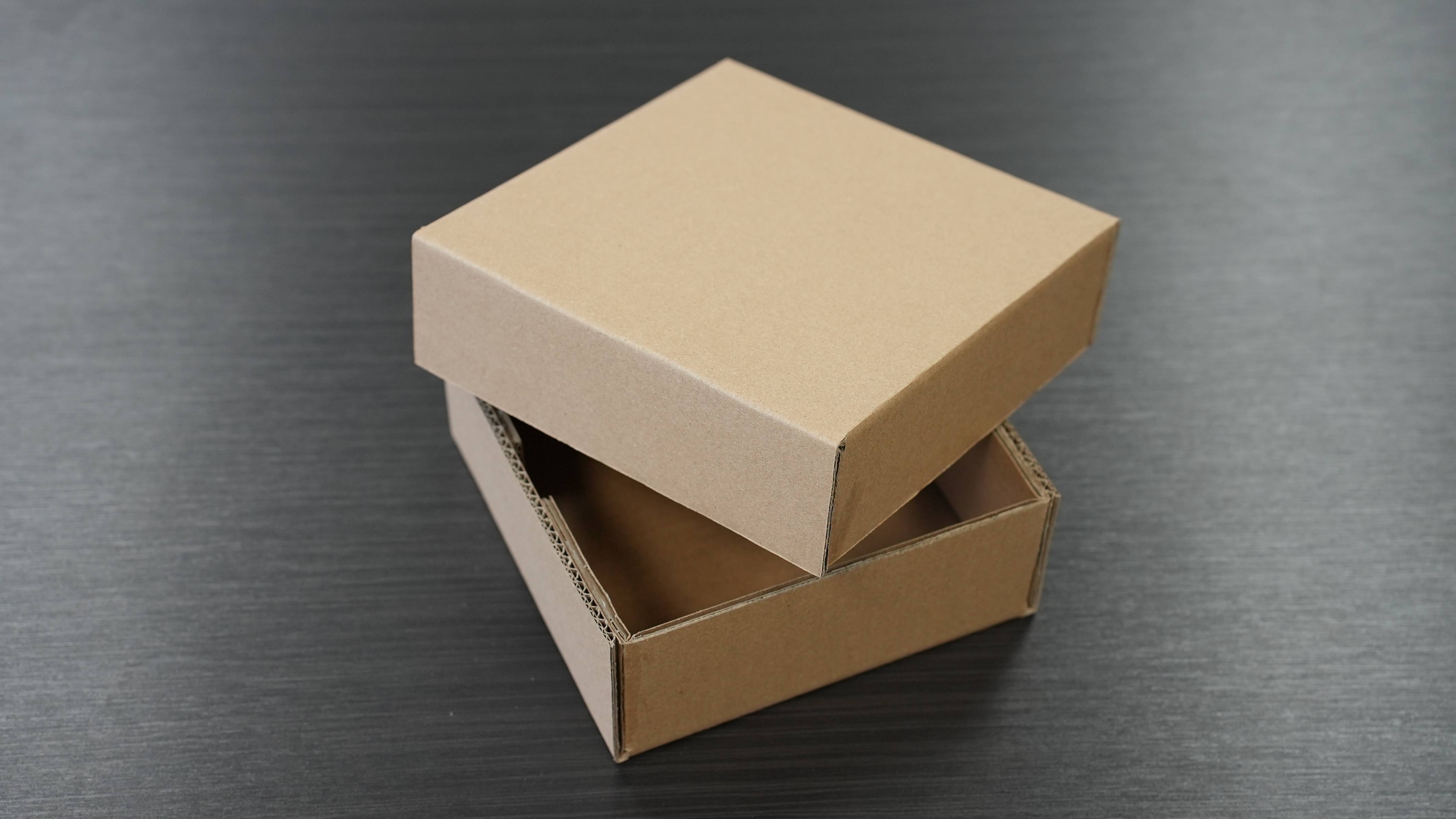
The moment a package arrives, it’s more than just a box—it’s an event. Custom corrugated designs turn a simple unboxing into a sensory journey. Imagine textures that surprise fingertips, colors that pop before the lid even lifts, or a structural reveal that unfolds like a story. These details linger in memory, turning customers into eager advocates who can’t wait to share the experience.
Off-the-shelf packaging fades into the background, but a tailored corrugated box speaks your brand’s language. From a cleverly engineered insert that cradles the product like a treasure to a bold interior print that greets them upon opening, every element can be intentional. It’s the difference between receiving a product and receiving a moment—one that feels crafted just for them.
The real magic happens when form meets function in unexpected ways. A tear strip that reveals a hidden message, a box that transforms into a display, or a material mix that contrasts sleekness with raw kraft—these are the touches that spark conversation. By pushing beyond standard shapes and finishes, you create a tactile narrative that resonates long after the box is empty.
Closing the Loop: The Lifecycle of a Recycled Corrugated Box
It starts with a simple act—tossing a used corrugated box into the recycling bin. From curbside pickups to drop-off centers, these boxes are collected and sorted from mixed waste streams. Once separated, they are baled and shipped off to recycling facilities, often staying local, where the real transformation begins.
At the facility, the boxes are mixed with water and turned into a pulp, freeing the fibers from inks, tapes, and staples. The slurry passes through screens and cleaners that remove contaminants, leaving behind a wet layer of cellulose. This mat is then pressed and dried to form new linerboard and medium—the very heart of a fresh corrugated sheet.
What emerges is a material indistinguishable from virgin paper, ready to be corrugated, cut, and folded into new boxes. These boxes go on to package everything from produce to electronics, and when they’re done, the cycle repeats. It’s a continuous loop that demands no new trees and generates far less waste, proving that a box’s journey never really ends.
Flute Profiles Decoded: Matching Board Strength to Your Product Needs
Flute profiles aren't just technical specs buried in packaging catalogs—they directly determine how well your corrugated board absorbs shock, resists crushing, and holds up under stacking pressure. A flute's height, pitch, and take-up factor influence cushioning, vertical compression, and overall rigidity. Choosing the wrong profile can lead to crushed corners, product damage, or unnecessary expense, which is why understanding flute characteristics is a practical step in packaging design.
Common flutes range from the large, cushion-focused A-flute (great for heavy or fragile items that need maximum impact absorption) to the ultra-thin F-flute (used for retail-ready, high-printability boxes). B-flute offers good puncture resistance and a flatter surface for printing, making it a middle-ground choice for canned goods and cosmetics. C-flute combines many of A and B's strengths and remains one of the most widely used profiles. More recently, micro-flutes like E and N have gained ground in e-commerce and consumer electronics, delivering structural integrity in a slim, space-efficient format.
The real trick is balancing board strength with product requirements—no single flute works for every scenario. Start by assessing your item's weight, fragility, storage conditions, and even retail presentation needs. A heavy motor part might rely on a thick A/B double-wall board, while a lightweight tea box thrives with E-flute that keeps graphics crisp and costs in check. Matching flute to function isn't just about protection; it's about delivering the right unboxing experience without over-engineering the packaging.
Shipping-Ready Boxes That Cut Costs and Curb Waste
Every shipment tells a story of materials, miles, and money. But the boxes that carry your products don't have to be a drain on your budget or the planet. By rethinking dimensions and dunnage, today's smarter designs arrive fold-free and filler-free, letting you ship more items in fewer trucks while keeping products snug and secure. The result? Lower freight bills, less cardboard, and a cleaner conscience—without compromising the unboxing moment your customers love.
Beyond the box itself, a shipping-ready approach streamlines your packing stations. When boxes are pre-sized to your catalog and require no tape, no inserts, and no assembly guesswork, your team moves faster and makes fewer mistakes. That speed translates directly into savings: fewer labor hours, reduced material stockpiles, and far fewer returns due to damage from over- or under-packing. It's a quiet efficiency that shows up in your bottom line and your sustainability report.
Waste isn't just what ends up in a landfill—it's the empty space on a pallet, the extra weight on a scale, and the time spent fussing with packaging that doesn't quite fit. Shipping-ready boxes flip that script. They're designed to be the right size from the start, using clever structural folds to eliminate excess material. And because they're built to handle transit without over-packaging, you'll see a drop in both your carbon footprint and your packaging spend. It's packaging that works with you, not against you.
Innovations in Corrugated: Smart Packaging for a Greener Future
Corrugated packaging is shedding its old reputation as just a brown box. Layer by layer, fresh thinking is embedding intelligence directly into the fiber. From printed sensors that monitor temperature and humidity in transit to QR-linked digital labels that reveal a product’s full journey, the box itself is becoming a data stream. These aren’t far-off prototypes—brands are already piloting interactive packs that let consumers tap a phone to verify freshness or trigger a reorder. It’s a quiet shift where the package stops being a passive container and starts participating in the supply chain.
Beneath that smarter surface runs a stronger commitment to circular design. Water-based barriers now replace plastic liners without sacrificing grease resistance. Mushroom-derived adhesives and algae-based coatings are emerging as real contenders, not curiosities. Some manufacturers are even designing for disassembly, making it simple to separate paper from non-paper components so the corrugated can find its way back into pulp mills instead of landfills. The goal isn’t simply lighter material or higher recycled content—it’s creating packaging that can be endlessly remade, with every layer benign enough to return safely to the soil.
What ties these threads together isn’t just material science; it’s a rethink of what a box can do. Imagine a transit carton that advises a logistics hub to reroute itself because it “feels” a delay. Or a shoebox printed with wildflower seeds, meant to be torn up and planted after the shoes hit the pavement. These aren’t gimmicks—they’re quiet answers to a pressing question: how can something as humble as corrugated help commerce tread lighter? The answer lies in packs that tell stories, protect goods, and vanish gracefully when their job is done.
FAQ
Corrugated boxes get their strength from the fluted inner layer that acts like an arch, distributing weight evenly. This design resists crushing and impact far better than single-layer cardboard, which is why they're the go-to for shipping heavy or fragile items safely.
Absolutely. Modern printing techniques allow vibrant colors, sharp logos, and custom cuts that turn a plain box into a brand statement. You’ll see everything from sleek matte finishes to intricate die-cut windows, making them perfect for subscription boxes or high-end product displays.
They're among the most eco-friendly packaging options out there. Made mostly from recycled paper and being fully recyclable themselves, they have a high recovery rate. Plus, the industry often uses renewable energy in production, and the boxes are biodegradable, reducing landfill impact.
Single-wall has one fluted layer between two liners and works for everyday shipping. Double-wall adds a second fluted layer and an extra liner, giving it much more rigidity and protection—ideal for heavy items or long-distance transport where boxes get stacked.
Measure your product’s length, width, and height, then add a bit of room for cushioning material. A snug fit prevents shifting, but you don’t want it too tight. Consider if the item will be stored or displayed—sometimes a slightly larger box with custom inserts offers the best protection and presentation.
Yes, coatings like wax or poly can be applied for water resistance, but for a more sustainable approach, look into boxes with special starch-based barriers or recycled content that naturally resists moisture. These are great for produce, frozen foods, or shipping in humid climates.
Conclusion
Corrugated boxes achieve remarkable shock absorption without unnecessary bulk through precisely engineered flute profiles, each tailored to a product’s weight and fragility. A thicker A-flute cushions heavy items, while the sleek B-flute suits retail-ready displays, and multi-wall combinations deliver rugged protection for long hauls. This careful matching of board strength to real-world demands not only safeguards goods but also streamlines shipping—fewer damaged returns mean lower costs and less material waste. Lightweight yet resilient, modern designs cut freight expenses and curb excess packaging, proving that strength and efficiency go hand in hand.
Beyond pure protection, corrugated boxes now double as brand storytellers, turning unboxing into a memorable experience with custom prints, vibrant colors, and unique structural touches. The story continues long after delivery: once a box has served its purpose, it enters a closed-loop recycling system where fibers are reprocessed into fresh sheets, often reemerging as new boxes in a matter of weeks. Forward-looking innovators are pushing sustainability even further with smart packaging—integrating QR codes for recycling guidance, water-based inks, and bio-adhesives that minimize environmental impact without compromising performance. These boxes don’t just carry products; they carry a commitment to a greener, more stylish future.
Contact Us
Contact Person: Mr. Ge Man
Email: [email protected]
Tel/WhatsApp: 8613710506492
Website: https://www.shitengzx.com