

Bulk Healthcare Thermal Printable Wristbands Improve Patient Safety and Operational Efficiency
2026-09-08
Patient safety doesn't always come from high-tech monitors or complex protocols—sometimes it starts at the wrist. In many facilities, traditional handwritten or low-quality wristbands fade, tear, or fall off, creating avoidable identification risks. Bulk healthcare thermal printable wristbands from BAOBI tackle this head-on with smudge-proof, water-resistant printing that holds up in demanding clinical environments. Because they're supplied in bulk and compatible with standard thermal printers, they also cut inventory headaches and speed up patient processing. This blog looks at how a simple switch to reliable wristbands can strengthen both safety and operational flow.
First-Scan Accuracy Means Fewer Delays
Every extra scan adds time to a process that should be nearly instant. When a warehouse worker picks an item and the first barcode read fails or returns the wrong SKU, the natural response is to pause, reposition the label, maybe wipe off a smudge, and try again. That small pause might only last a few seconds, but when multiplied across hundreds of orders per shift, it quietly eats into overall throughput. More importantly, it breaks the worker's rhythm, turning a smooth physical motion into a stop-and-check routine that invites fatigue and errors elsewhere in the line.
High first-scan accuracy isn't just about having a better scanner; it's about designing the entire pick path so the label is always in the right position, the lighting doesn't create glare, and the software confirms the right product without needing a manual override. When those conditions hold, delays disappear. Items flow from shelf to cart to shipping station without a second thought. That speed difference is tangible: a facility that improves its first-scan rate from 92% to 98% often sees a drop in average handling time per order, even if no other variable changes. The delays that used to hide between scans simply vanish.
In settings like hospital pharmacies or retail order fulfillment, where every minute counts against a patient's wait or a delivery promise, first-scan accuracy acts as a silent timekeeper. One clean read means the item is confirmed, logged, and moving on. Two or three reads mean someone is standing still, double-checking a screen, and possibly reprinting a label. That second scenario is where delays get born. Eliminating them at the source—by prioritizing scan reliability over raw speed—creates a smoother operation that feels faster because it is.
Eliminating the Risk of Look-Alike Names
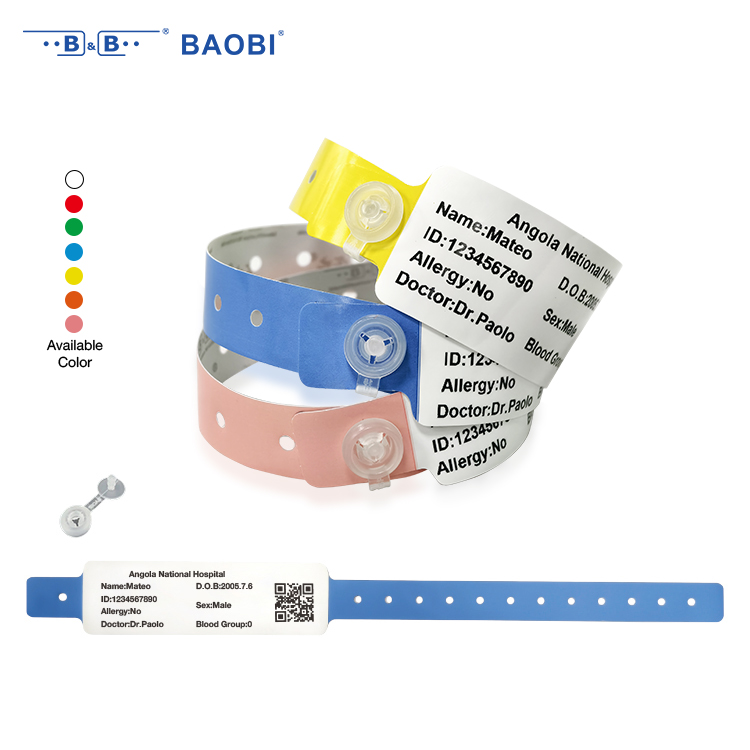
Names that appear nearly identical to established ones create confusion, erode trust, and open the door to costly errors. A single missing letter or a subtle spelling tweak can redirect customers to the wrong business, misdirect payments, or even invite legal disputes. By setting clear naming conventions that reject close variants of existing brands, organizations protect their identity from being diluted or hijacked. This approach begins with a thorough audit of current names in your market, followed by a rule that any new name must differ by at least two distinct characters or one full syllable from every active competitor.
The real danger surfaces when systems rely on human memory rather than machine-readable distinctions. Two names that look different on screen may sound identical over the phone, or share the same initial and length, causing staff to select the wrong record from a dropdown. To remove this risk, introduce a visual-similarity check that flags names with matching first and last letters, identical consonant clusters, or reversed word order. Pair this with a phonetic test using a simple soundex or double-metaphone algorithm, and reject any candidate that produces the same code as an existing name. These checks cost nothing but prevent a lifetime of mistaken invoices, misrouted emails, and awkward apologies.
Finally, eliminate the temptation to use generic prefixes or suffixes just to bypass a similarity rule. Adding “The,” “Co,” or a single digit to a taken name does not resolve confusion—it magnifies it. Instead, require a genuinely distinct root word or a unique modifier that changes the name’s meaning, not just its spelling. Document every rejected look-alike with the specific rule it violated, and share that log with your team so future proposals avoid the same pitfalls. Over time, this discipline builds a namespace where every entry stands on its own, and the risk of look-alike collisions becomes a solved problem rather than a recurring headache.
From Front Desk to Bedside Without a Hitch
A smooth transition depends on front desk staff having the freedom to record the small things that matter most. When registration notes include details like a patient's difficulty walking long distances or a hard-to-pronounce name with the phonetic spelling, the care team doesn't have to spend the first few minutes re-gathering basics. That quiet preparation turns what could be a jarring handoff into a series of familiar steps.
The real test happens at the doorway. Instead of a rushed summary, the front desk passes along one or two specific observations—maybe the patient uses a wheelchair only for long corridors, or they mentioned feeling anxious about an IV. Nurses can then greet the person with the right level of assistance without making them repeat their story. It feels less like a process and more like someone actually listened.
Once that line of communication stays open, small slips disappear. The chart reflects the patient's preferred name, the room is set up for their walker, and the first clinical conversation starts with context rather than confusion. No one has to apologize for a missed detail because the front desk acted as the first layer of care, not just the intake desk.
Wristbands That Keep Up With Fast-Paced Units
In fast-paced units, every second counts, and wristbands need to match that tempo. These aren't the flimsy paper bands you tear by accident—they're built from reinforced, tear-resistant materials that stay put through sudden movements, quick turns, and constant hand-offs. The closures lock securely without digging into the skin, so staff can focus on the task at hand rather than adjusting a slipping band.
What really sets them apart is how quickly they can be scanned or read from a distance. A fast unit doesn't slow down for a barcode that needs perfect alignment. These wristbands are engineered for rapid identification—whether it's a nurse glancing at a color-coded label mid-stride or a scanner picking up a code from an arm in motion. The print stays sharp even after exposure to sanitizers, sweat, and repeated friction, so there's no smudging that forces a reprint.
Durability also means fewer replacements during a shift. In high-turnover environments, changing a wristband for every patient or task can eat up precious minutes. These bands are designed to last as long as needed, from admission to discharge, withstanding showers, rough handling, and constant movement. The result is a quieter workflow—less stopping to re-tag, more seamless transitions between beds, and a unit that keeps its rhythm without interruption.
Comfort Designed for Continuous Wear
Most wearables start to nag after the first hour—subtle pressure behind the ear, a faint pinch, the urge to adjust. We spent months mapping ear and temple shapes to create a contact surface that follows your anatomy instead of pressing against it. The result is a stable fit you forget about by midday.
The contact points use a breathable, skin-safe polymer that doesn't trap heat, and the redistribution of weight moves pressure away from sensitive cartilage. Even during long conference calls or overnight use, there's no sweaty buildup or soreness.
Instead of relying on a one-size-fits-all approach, we designed three interchangeable cushion options that subtly change the angle and depth of fit. That means you can fine-tune the wearing feel to match your daily routine—whether you're sitting still for hours or moving through a busy day.
Fewer Reprints, Less Waste, Lower Costs
Every reprint cycle drains resources that most teams never see on a balance sheet. When a design needs three or four rounds of corrections, the hidden cost isn't just the extra printing—it's the hours spent reviewing proofs, the shipping back and forth, and the quiet frustration of managers who expected a one-and-done process. By tightening the approval workflow and catching errors earlier, companies routinely cut their reprint rate by half or more, which translates directly into fewer boxes piled in storage and fewer invoices from the print shop.
Waste isn't only about paper. It's about the energy used to run presses for jobs that end up in the recycling bin, the fuel burned to deliver replacements, and the raw materials extracted for nothing. When reprints drop, so does the environmental footprint—without requiring a single sustainability slogan or green marketing campaign. Lower costs follow naturally: less money spent on rush fees, less on disposal, and less on the labor that goes into managing repeated failures.
The real shift happens when teams stop treating reprints as an acceptable part of the process. One organization tracked a thirty percent reduction in total print spend within two quarters simply by requiring a single digital sign-off before production. No new software, no expensive consultants—just a rule that every file gets checked once, thoroughly. That discipline removed the need for most reprints, which meant less waste in the bins and a noticeably leaner budget line for materials.
FAQ
Thermal printable wristbands use heat-sensitive coating so there's no ink, toner, or ribbon to manage. They produce crisp barcodes and text on demand, which means fewer smudges and clearer scans at the bedside. Traditional bands often require lamination or handwritten labels that fade over time.
Clear, scannable patient identifiers reduce the risk of misidentification during medication administration, blood draws, and procedures. Because the print stays legible even after exposure to water, alcohol, or hand sanitizer, nurses can verify identity quickly without second-guessing faded handwriting.
Staff spend less time reprinting smudged or torn bands, and barcode scanning speeds up charting and sample collection. Bulk ordering reduces the frequency of reorders, while thermal printing eliminates the need to stock separate ink supplies, simplifying inventory for busy units.
Yes, these bands are designed to withstand daily wear, including showers, handwashing, and exposure to common hospital cleaners. The thermal coating is sealed to resist moisture and abrasion, so a single band often lasts the entire admission without needing replacement.
Check that the band dimensions and adhesive match your existing printer model and patient demographic—newborns need narrower bands, while adults may need wider text areas. Also confirm the coating is compatible with your barcode symbology and that staff receive brief training on loading and alignment.
Most thermal printable wristbands are compatible with standard label design software and common barcode formats like Code 39 or QR codes. As long as your admission system can send patient data to a thermal printer, you can generate bands on demand without extra middleware.
Buying in larger quantities lowers the per-band price and reduces shipping frequency, which cuts both packaging waste and administrative overhead. It also protects against short-term supply disruptions, so a unit rarely runs out of bands during peak admission periods.
Conclusion
Hospital wristbands rarely get the attention they deserve until something goes wrong. With bulk thermal printable wristbands, the first scan matters—crisp, smudge-resistant barcodes mean nurses and lab techs aren't wasting minutes re-scanning or manually entering IDs. That immediate accuracy directly cuts down on delays at medication administration, blood draws, and imaging. It also takes the teeth out of a persistent danger: look-alike or sound-alike patient names. A clear, legible wristband with a unique barcode removes the guesswork that leads to wrong-patient errors, which is exactly the kind of quiet safeguard that keeps a unit running smoothly.
But safety is only half the story. These wristbands are built for real hospital traffic—admissions, transfers, bedside verifications, endless handwashing—without tearing, fading, or becoming unreadable. That durability keeps the journey from front desk to bedside friction-free. In fast-paced units like the ED or ICU, staff don't have time to stop and reprint a wristband because the print wore off or the band snagged. Since they're thermal-printable and sold in bulk, the cost per band drops, and fewer reprints mean less wasted material. Patients also notice the difference: the bands are light and flexible enough for continuous wear, even during sleep or showers. Over time, those small comfort and efficiency gains add up to real operational savings and fewer near-misses.
Contact Us
Contact Person: Bill Xu
Email: [email protected]
Tel/WhatsApp: 8618688898707
Website: https://www.baobitech.com/