
Cold Rolling Mill Revolution: Boosting Chinese Industrial Efficiency
2026-03-03
In a world where industrial efficiency often dictates economic progress, the technological advancements in cold rolling mills are quietly reshaping China's manufacturing landscape. From automotive components to precision machinery, the ripple effects of these innovations extend far beyond factory floors. At GRM, we've witnessed firsthand how cutting-edge rolling mill solutions can transform production lines, reduce energy consumption, and elevate quality standards. This blog explores the ongoing revolution—where tradition meets innovation, and where companies like GRM are helping Chinese industries not just keep pace, but lead. What does this mean for global competitiveness? Let's dive in.
The Dawn of Precision in Chinese Steel Production
For decades, Chinese steel production was synonymous with sheer quantity, a behemoth churning out vast volumes to fuel the nation's rapid infrastructure boom. But a quiet revolution has been unfolding in recent years, signaling a fundamental shift towards precision and sophistication. This new era is driven by the integration of advanced technologies like artificial intelligence and robotics into manufacturing processes, moving beyond the old models of mass output to focus on customized, high-quality steel that meets the exacting demands of global markets.
At the heart of this transformation lies a concerted effort by Chinese companies to refine their production lines, investing heavily in smart factories equipped with real-time monitoring systems. These innovations enable precise control over every stage, from melting to finishing, resulting in steel with superior mechanical properties and reduced defects. It's not just about making more; it's about making better, with an emphasis on energy efficiency and sustainability that aligns with global environmental standards.
This dawn of precision is reshaping China's role in the global steel industry, positioning it as a leader in specialized products like ultra-high-strength alloys for automotive and aerospace applications. By prioritizing quality over quantity, Chinese producers are not only enhancing their competitiveness but also setting new benchmarks that challenge traditional perceptions, paving the way for a more innovative and resilient industrial landscape.
Innovations Driving Unmatched Efficiency in Cold Rolling
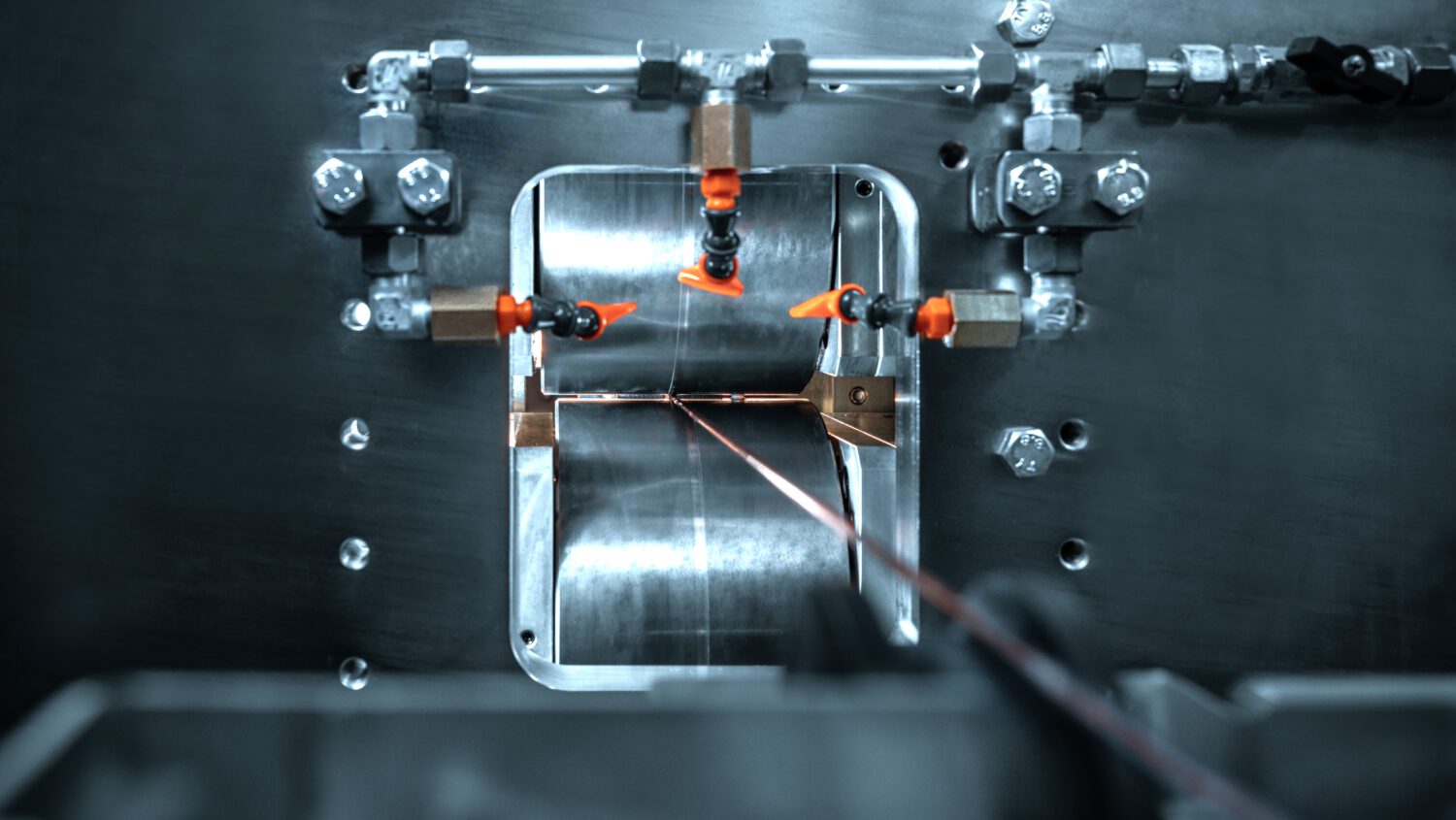
The cold rolling industry has long been at the forefront of manufacturing efficiency, and recent advancements are pushing these boundaries even further. One standout innovation is the integration of advanced sensor networks and real-time data analytics directly into rolling mills. Unlike traditional systems that rely on periodic checks, these sensors monitor variables like temperature, tension, and steel composition continuously, allowing for immediate adjustments. This not only reduces waste by minimizing defects but also optimizes energy consumption, leading to a smoother, more consistent production flow that outpaces older methods.
Another key development is the adoption of AI-driven predictive maintenance, which is transforming how downtime is managed. By analyzing historical and real-time data from equipment, these systems can forecast potential failures before they occur, enabling proactive repairs. This approach avoids the costly interruptions typical of reactive maintenance, keeping mills running at peak performance for longer periods. Combined with automated lubrication and wear monitoring, it ensures that machinery operates efficiently with minimal human intervention, setting a new standard for reliability in the industry.
Additionally, breakthroughs in material science are enhancing the cold rolling process itself. New alloy formulations and surface treatments allow for thinner, stronger steel sheets that require fewer passes through the mill. Techniques like cryogenic rolling, where metals are cooled to extremely low temperatures, improve ductility and reduce energy demands during deformation. These innovations not only boost output quality but also cut down on production time, offering a competitive edge that distinguishes modern facilities from their predecessors.
How Advanced Technology Transforms Industrial Output
The integration of cutting-edge technologies like artificial intelligence and the Internet of Things has fundamentally reshaped industrial production by enabling real-time data analysis and predictive maintenance. This shift not only minimizes downtime but also optimizes resource allocation, leading to a significant boost in output efficiency and quality across sectors such as manufacturing and energy.
Beyond mere automation, advanced robotics and 3D printing are revolutionizing traditional assembly lines, allowing for more customized products and faster prototyping. This flexibility empowers industries to respond swiftly to market changes, reducing waste and enhancing overall productivity, while fostering innovation in product design and development.
Moreover, the adoption of cloud computing and big data analytics facilitates seamless collaboration among global supply chains, streamlining logistics and inventory management. By leveraging these technologies, companies can achieve greater scalability and resilience, ultimately driving sustained industrial growth and competitiveness in an increasingly digital economy.
Key Breakthroughs in China's Manufacturing Landscape
China's manufacturing landscape has witnessed remarkable advancements in recent years, with key breakthroughs driven by strategic investments in technology and innovation. One standout area is the integration of artificial intelligence and robotics across production lines, which has significantly boosted efficiency and precision. For instance, factories in the automotive and electronics sectors now deploy smart systems that adapt in real-time to changing demands, reducing waste and enhancing product quality. This shift isn't just about automation; it reflects a deeper transformation toward data-driven decision-making, positioning China as a leader in smart manufacturing globally.
Another pivotal breakthrough lies in the development of green manufacturing practices, as environmental concerns take center stage. Chinese companies are pioneering sustainable methods, such as using renewable energy sources and implementing circular economy models to minimize carbon footprints. This eco-friendly approach has not only helped meet stringent regulatory standards but also attracted international partnerships. By blending traditional manufacturing prowess with cutting-edge green tech, China is creating a more resilient and future-proof industrial ecosystem that appeals to conscious consumers and investors alike.
Beyond technology and sustainability, a less-talked-about yet crucial breakthrough is the rise of small and medium enterprises (SMEs) as innovation hubs. These agile players are leveraging niche expertise in areas like advanced materials and precision engineering to disrupt traditional supply chains. Supported by government initiatives and access to digital platforms, these SMEs are fostering a more decentralized and dynamic manufacturing network, showcasing how grassroots creativity can drive industry-wide progress in unexpected ways.
The Role of Cold Rolling Mills in Economic Growth
Cold rolling mills play a pivotal yet often underappreciated role in driving economic growth across various sectors. By refining raw steel into precise, high-quality sheets and coils, these mills enable the production of durable goods like automobiles, appliances, and construction materials. This transformation not only boosts manufacturing output but also fosters job creation and technological innovation, leading to increased productivity and competitiveness in global markets. Historically, regions with advanced cold rolling capabilities have experienced significant industrial expansion, highlighting their contribution to economic resilience and sustainable development.
Beyond their direct impact, cold rolling mills stimulate economic growth through their ripple effects on supply chains and infrastructure. As they demand raw materials such as hot-rolled steel, energy, and skilled labor, they generate upstream economic activity and support ancillary industries. Enhanced product quality from cold rolling allows for more efficient construction projects and longer-lasting consumer goods, reducing maintenance costs and fostering a cycle of reinvestment. In emerging economies, investing in cold rolling technology can reduce import reliance, strengthen local industries, and propel export-led growth, making them a strategic asset for national economic strategies.
A closer look reveals that the economic benefits of cold rolling mills extend to innovation and environmental sustainability. Modern mills incorporate advanced technologies like automation and precision controls, which improve efficiency, reduce waste, and lower operational costs. This progress not only drives sectoral growth but also contributes to lower carbon footprints through energy-efficient processes. By enabling lightweight, recyclable steel products, these mills support green initiatives and circular economies, aligning economic advancement with ecological goals and ensuring long-term prosperity in an increasingly competitive world.
Future Trends and Sustainable Practices in the Industry
Forward-thinking businesses are increasingly blending innovative trends with eco-conscious strategies to stay competitive. From integrating AI and IoT for smarter energy management to adopting circular economy principles that minimize waste, the focus is shifting toward solutions that drive both technological advancement and environmental stewardship. This holistic approach not only enhances operational efficiency but also resonates with a growing consumer base that prioritizes sustainability in their purchasing decisions.
Emerging trends like digital twin technology are revolutionizing how industries simulate and optimize processes before implementation, reducing resource consumption and emissions. Simultaneously, sustainable practices are evolving beyond basic recycling to include regenerative design, where products and systems actively restore ecosystems. Companies that champion these practices often see improved brand loyalty and reduced regulatory risks, making sustainability a key driver of long-term growth rather than just a compliance checkbox.
As the industry progresses, collaboration across sectors is fostering new models like bio-based materials and decentralized renewable energy grids. These innovations not only future-proof operations against resource scarcity but also create opportunities for value creation in emerging markets. By embedding sustainability into core strategies, industries can navigate global challenges like climate change while unlocking fresh avenues for innovation and economic resilience.
FAQ
The Cold Rolling Mill Revolution primarily aims to enhance the operational efficiency and productivity of China's steel industry by modernizing manufacturing processes and reducing energy consumption.
By improving industrial efficiency, it strengthens China's position in the global steel market, allowing for higher-quality products at competitive prices.
Key technologies include automation systems, precision control mechanisms, and advanced cooling methods that optimize production and minimize waste.
Yes, the revolution often incorporates eco-friendly practices, such as reduced emissions and energy-efficient operations, contributing to sustainable industrial growth.
Major beneficiaries include the automotive, construction, and appliance manufacturing sectors, which rely on high-quality steel for their products.
Implementation involves phased upgrades in industrial hubs, with pilot projects in key provinces before nationwide rollout.
Long-term objectives include achieving full automation, scaling production capacity, and maintaining leadership in global steel innovation.
It creates demand for skilled technicians and engineers while shifting some manual roles to technology-driven positions, fostering workforce development.
Conclusion
The cold rolling mill revolution has ushered in a transformative era for Chinese industrial efficiency, beginning with the precision-driven dawn in steel production. Innovations in cold rolling technology have propelled the industry beyond traditional limits, fostering unmatched efficiency that optimizes material usage and enhances product consistency. Advanced technologies, such as automated control systems and IoT integration, are at the heart of this transformation, dramatically boosting industrial output through streamlined processes and reduced waste. Key breakthroughs in China's manufacturing landscape have not only improved competitiveness but also set new benchmarks for quality and speed in steel fabrication, reinforcing the nation's global standing in heavy industries.
Central to this progress is the pivotal role of cold rolling mills in driving economic growth, as they underpin sectors ranging from automotive to construction, fueling job creation and investment. Looking ahead, future trends and sustainable practices are shaping the industry's trajectory, with a focus on energy-efficient operations and circular economy principles. This evolution underscores a commitment to long-term viability, ensuring that the cold rolling mill revolution not only boosts efficiency but also aligns with global environmental standards. By blending technological prowess with strategic foresight, China is redefining its industrial narrative, making this revolution a cornerstone of sustainable economic advancement.
Contact Us
Contact Person: Rayna
Email: [email protected]
Tel/WhatsApp: 86 -173 1474 6343
Website: https://www.grmrollingmill.com/