

Countertop Bullet Ice Maker Factory Standards You Should Know Before Buying
2026-11-28
Most countertop bullet ice maker listings look the same until you start asking how they’re actually built. Factory standards quietly determine noise, ice speed, durability, and whether the machine lasts one summer or several. Before you buy, knowing what to look for can save you from a costly guess — and it’s exactly why YOMAN keeps those production details front and center.
Reading Between the Lines of Factory Certification Claims
Factory certification claims often read like a badge of honor, but the fine print rarely tells the whole story. A certificate hanging in the lobby may simply confirm that an auditor once walked through, not that every production line meets the same standard. Shifts change, suppliers shift, and the conditions behind a framed document can drift far from what the customer imagines.
Look past the name of the certifying body and ask what exactly was audited, how often, and whether the scope covers the product you are actually buying. A factory might hold a certification for one category while quietly running other lines under different, less rigorous practices. The real signal is not the logo on the paperwork but the consistency of inspections, the traceability of raw materials, and the willingness to share audit reports without hesitation.
Savvy buyers treat certifications as a starting point rather than a guarantee. A meaningful claim should be specific, dated, and verifiable against an independent source. If a supplier waves a certificate but cannot explain what was measured or how failures were handled, that badge is probably doing more marketing than quality assurance.
Why the Compressor Brand Matters More Than the Shell
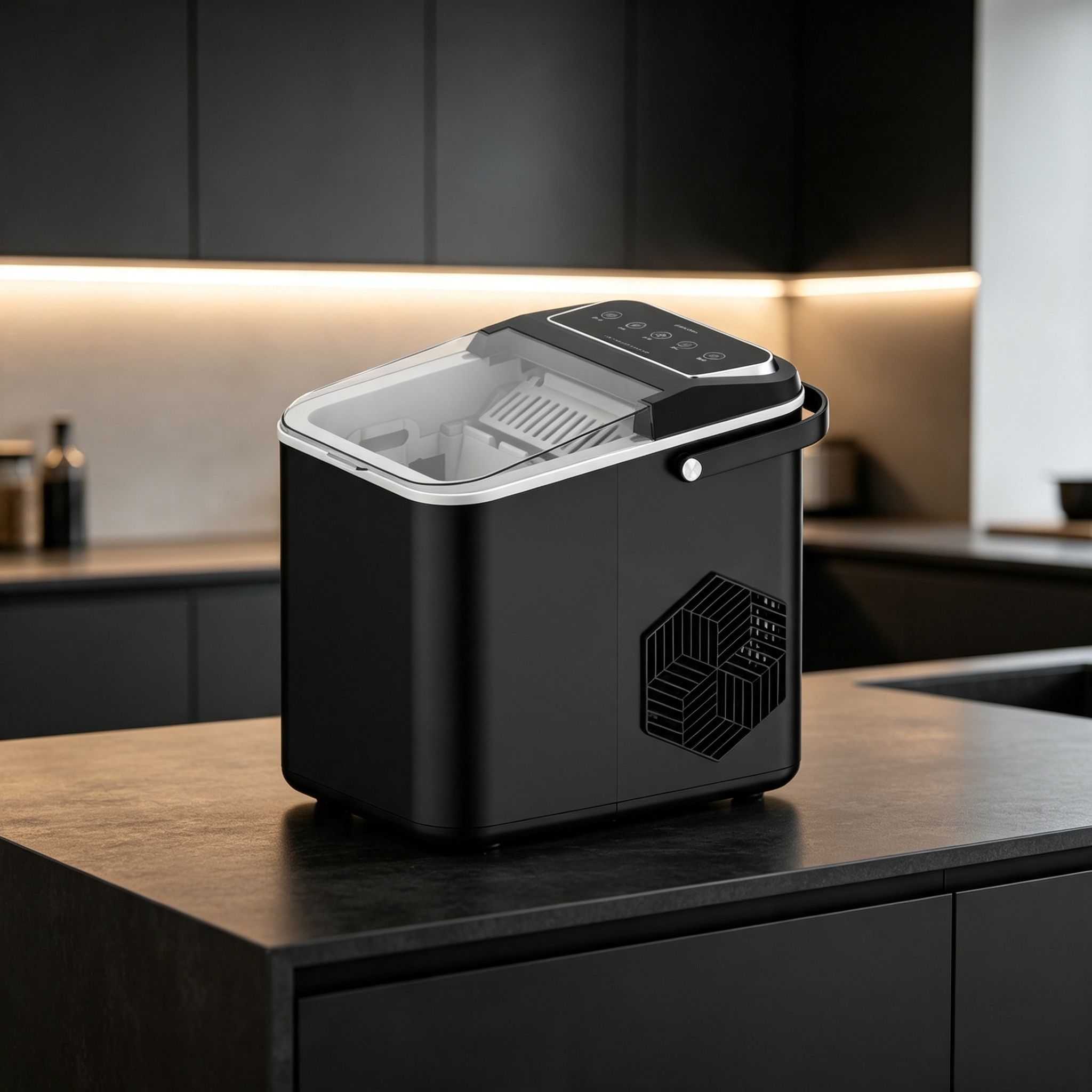
The shell gets a lot of attention because it is the first thing you see, but it is not the part that keeps your system alive. A compressor is doing hard mechanical work every time the unit cycles on, and the difference between a well-built compressor and a generic one shows up in noise levels, start-up strain, moisture tolerance, and how steadily it holds pressure over time. A brand with decades of compressor testing usually has failure data, material specifications, and assembly tolerances that a no-name shell supplier simply does not need to match.
Brand matters here because it is a proxy for the parts you cannot easily inspect. Inside the compressor, bearing clearances, valve reed metallurgy, oil return design, and motor winding insulation all determine whether the unit will run quietly for years or develop problems after the first hot summer. Shells, by contrast, are far easier to copy with powder-coated steel and a modern logo. The visible casing rarely tells you what is happening under the discharge line.
From a service perspective, branded compressors also make a practical difference. Replacement availability, pressure switch compatibility, and predictable start-up current are all easier to manage when you know the compressor inside the shell. If the brand has invested in tight factory testing, the installed unit is less likely to develop small leaks or lubrication issues that later get blamed on the cabinet. The shell can look premium, but the compressor decides how the machine actually behaves on a bad day.
Food Grade Materials That Separate Safe Units from Cheap Ones
A lot of equipment looks identical from the outside, but the metal under the surface tells a different story. Safe units tend to rely on 304 or 316 stainless steel with passivated finishes, smooth welds, and no sharp crevices where food can collect. Cheaper alternatives often use 201 stainless or coated steel that shines in product photos but loses its protective layer after repeated contact with acidic ingredients, heat, and sanitizers. Once that layer fails, the material can pit, rust, or release trace elements into food.
Plastic and rubber parts are just as telling. High-quality food contact plastics are typically virgin PP, HDPE, or silicone, and they carry clear compliance marks such as FDA 21 CFR or EU 1935/2004. They resist high-temperature washdowns, oils, and detergents without cracking or softening. Cheap units often swap in recycled plastics or industrial-grade rubber with a strong chemical smell, especially when warm. Those materials may flex and seal well at first, but repeated exposure to hot water and cleaning agents can turn a soft gasket brittle or sticky, leaving particles in the product.
The parts you cannot see are where cost cutting usually happens. Hoses, internal valve bodies, gaskets, and weld seams on budget machines may contain brass, leaded alloys, or unlisted coatings that are not suitable for direct food contact. A safe unit is built so every surface that can touch food, even during a leak or overflow, remains inert. This is why material traceability matters more than a glossy exterior. If a supplier cannot tell you exactly what a seal or internal hose is made from, assume it is not intended for repeated food use.
What a Factory's Testing Line Reveals Before You Buy
Most shoppers never see the row of machines where a product earns its right to ship. Yet that quiet line tells you more about real quality than any glossy spec sheet. Watch how many units get pulled aside, how long each test runs, and whether the process stays consistent from morning to night. A factory that tests in short, rushed bursts is hiding something; one that logs every rejection and adjusts on the spot is showing you exactly how it thinks about the people who will eventually open the box.
Look beyond the pass/fail stamp. Does the line check only basic power-on, or does it push buttons, flex cables, simulate drops, and cycle through temperature shifts? The best factories treat the testing bench as a conversation with the product, not a final hurdle. You can often spot this in the little details: worn-in jigs, handwritten calibration notes, spare parts bins that are actually organized. When a line is built for honesty, the results stop being a formality and start becoming a reason to trust what's inside.
Even without visiting in person, you can get a feel for this through sample reports, video tours, or the way a supplier answers questions about failure rates. If they pause before sharing that data, pay attention. The testing line is where a factory's promises either become measurable or quietly disappear. It's the closest thing to seeing a product's character before you ever touch it.
Spare Parts and Warranty Terms Most Buyers Overlook
A surprising number of purchase agreements bury the real cost of ownership in the fine print around replacement components. Manufacturers sometimes reserve the right to substitute refurbished parts during warranty repairs, which can shorten the lifespan of the repair itself. Others require that all spare parts be sourced exclusively from their own catalog at prices that climb sharply after the first year. Before signing, ask directly whether new or remanufactured parts will be used, and get that answer in writing.
Warranty coverage often carries hidden exclusions that only surface when a specific component fails. For example, seals, gaskets, filters, and wear items may be classified as consumables, even if their premature failure points to a larger defect. Some contracts also void coverage if maintenance was performed by an independent technician or if non-original lubricants were used. These clauses are easy to skip during a quick review, but they determine whether a warranty is genuinely useful or merely decorative.
Another overlooked area is the timeline for spare parts availability. A brand may promise a five-year warranty, yet only guarantee that replacement parts will be stocked for two. That means years three through five can leave you waiting weeks for a backordered component while your equipment sits idle. Check whether the agreement specifies a maximum lead time, whether loaner units are provided during extended downtime, and whether shipping costs for warranty parts are covered or shifted to the buyer. These practical details matter more than the headline warranty length.
The Noise and Energy Details You Will Live With Daily
Every morning starts with the low hum of the refrigerator cycling on just as the coffee maker finishes its final hiss. The microwave beeps twice, not once, and the bathroom fan rattles slightly until the door closes. These small sounds become part of your routine—not loud enough to annoy, but steady enough that you notice when they change. The energy draw is equally subtle: the standby lights on the router and TV keep a gentle trickle flowing through the meter even when everything else is off.
In the kitchen, the gas burner clicks three times before catching, and the vent hood above it has a mid-range whine that fades after a minute. Down the hall, the HVAC register ticks as the metal expands, and the water heater kicks on with a soft thump around 7:20 each evening. None of this shows up in a spec sheet, but it shapes how the house feels. The daily baseline sits around 18 to 22 kilowatt-hours most weeks, spiking on laundry days when the dryer adds its steady roar and the lights dip for half a second.
At night, the quiet details become clearer. The refrigerator enters a defrost cycle just before midnight, producing a faint crackle behind the crisper drawer. A poorly seated outlet in the hallway makes a very faint buzz if the plug is nudged. The attic fan has a slow, rhythmic pulse that carries through the ceiling when the outside temperature drops below 55. If you listen long enough, you can map the house's internal schedule without looking at a clock—and if the sounds or the usage pattern suddenly shift, it's usually the first sign that something needs attention.
FAQ
Look for UL or ETL certification on the label, not just in the listing. These indicate the wiring, compressor, and control board went through independent safety testing. CE alone doesn't tell you much for North American households. If the brand can't show the certification mark, treat it as a red flag.
Check the manual or spec sheet for BPA-free plastic or food-grade ABS/PP labels. Smell the basket when it's new; a strong chemical odor often points to cheaper non-food-grade blends. Reputable factories print the material type on the underside of the basket or in the parts list.
Yes. A small reciprocating compressor is standard, but quality differs by supplier. Better units use a copper condenser and a compressor from a known brand, which affects cooling speed and lifespan. If the machine feels unusually light, it may have an aluminum or undersized condenser that works harder and fails sooner.
A serious factory runs a full refrigerant leak test, a 24-hour continuous run test, and a high-temperature aging test on each batch. Some also test ice thickness consistency by running multiple cycles at different room temperatures. Ask the seller for a batch QC report or at least confirmation of these procedures; vague answers usually mean spotty testing.
Capacity claims are often based on ideal lab conditions: cool room, cold water, and a full ice basket. Factories following stricter standards will state output at 70°F water and 70°F air, while others use colder water to inflate numbers. Compare the stated test conditions, not just the pounds per day.
Overheat protection, low-water cutoff, and a tilt or leak sensor are the practical ones. Overheat protection prevents the compressor from cooking itself if the fan fails. Low-water cutoff keeps the pump from running dry. A tilt sensor matters if the unit is moved while plugged in, which happens often on countertops.
Most credible factories measure noise at one meter from the front and list a decibel range around 38–45 dB. If the seller won't publish a noise spec, that's usually because the fan and compressor combo is louder under load. Look for a unit where the measured value includes compressor cycling, not just the fan on low.
A 12-month warranty with a clear replacement policy for compressor or refrigerant issues is standard for decent units. Longer warranties on the compressor itself, such as 24 months, often indicate the factory trusts its sealed system. Avoid brands that only offer a 30-day return window and no repair path after that.
Conclusion
Most buyers focus on the shape of a machine or how quickly it drops a batch of bullet ice, but factory standards tell a different story. A certification label alone means little; ask what testing stands behind it and whether the audit actually covered the compressor, water lines, and plastic housing. The compressor is the real workhorse. A no-name compressor hidden under a stainless-look shell will disappoint long before the exterior shows wear, while a recognized supplier gives you a much clearer signal about longevity. Materials matter just as much. A transparent lid or ice basket can look identical even when one is virgin food-grade polypropylene and the other uses recycled resin that dulls, cracks, or picks up odors.
A serious factory will let you watch its testing line, not just its sample room. See how units are run after assembly: water pump cycling, ice release, thermostat cut-off, and full-bin shutoff. That reveals whether defects are caught before shipping or passed along to your kitchen counter. Spare parts and warranty terms hide the real cost, so check whether the ice basket is covered, if the water reservoir sensor counts as a wear item, and how quickly a replacement compressor can actually be dispatched. Noise and energy figures are daily realities, not spec-sheet decorations. A unit that hums at 42 decibels in a quiet kitchen during evening use feels different from a lab reading taken in a silent room, so ask about the test conditions behind any printed number.
Contact Us
Contact Person: Mr. Sun
Email: [email protected]
Tel/WhatsApp: 8618867635088
Website: https://www.nbyoman.com/