

Direct Expansion Air-Conditioning Unit Company Evaluation Checklist for Smart Buyers
2026-11-24
Most direct expansion air-conditioning unit evaluation guides read like a wall of specs with no sense of what goes wrong after installation. This one takes a different angle: the checklist a smart buyer actually uses when one bad vendor decision can mean years of uneven cooling, inflated energy bills, and repeated service calls. We’ll walk through the criteria that matter before you commit—and where ROTER stands when those criteria are applied without the sales fog.
How the Evaporator Coil Reveals a Company's Real Standards
Pull the access panel off a unit and the evaporator coil tells you more than any spec sheet. The spacing of the fins, the radius of the copper bends, the consistency of the braze joints—all of it reflects decisions made far from the marketing photos. A company that sweats these details tends to hold the same line everywhere else.
Cheap coils usually show themselves in small ways first. Fins arrive with uneven gaps, almost as if the die has worn past its useful life. Copper tubing feels thinner at the return bends, and the brazing looks rushed, with oxidation or leftover flux. Those are not cosmetic flaws; they change refrigerant flow, heat transfer, and leak resistance over time.
The real differentiator is what gets applied before the coil ever ships. A proper corrosion treatment, a drain pan with enough slope to avoid standing water, end plates that don't flex under pressure—these are quiet signals. They don't make a brochure headline, but they are exactly how a manufacturer's standards become visible.
Why the Installation Crew Often Outweighs the Equipment
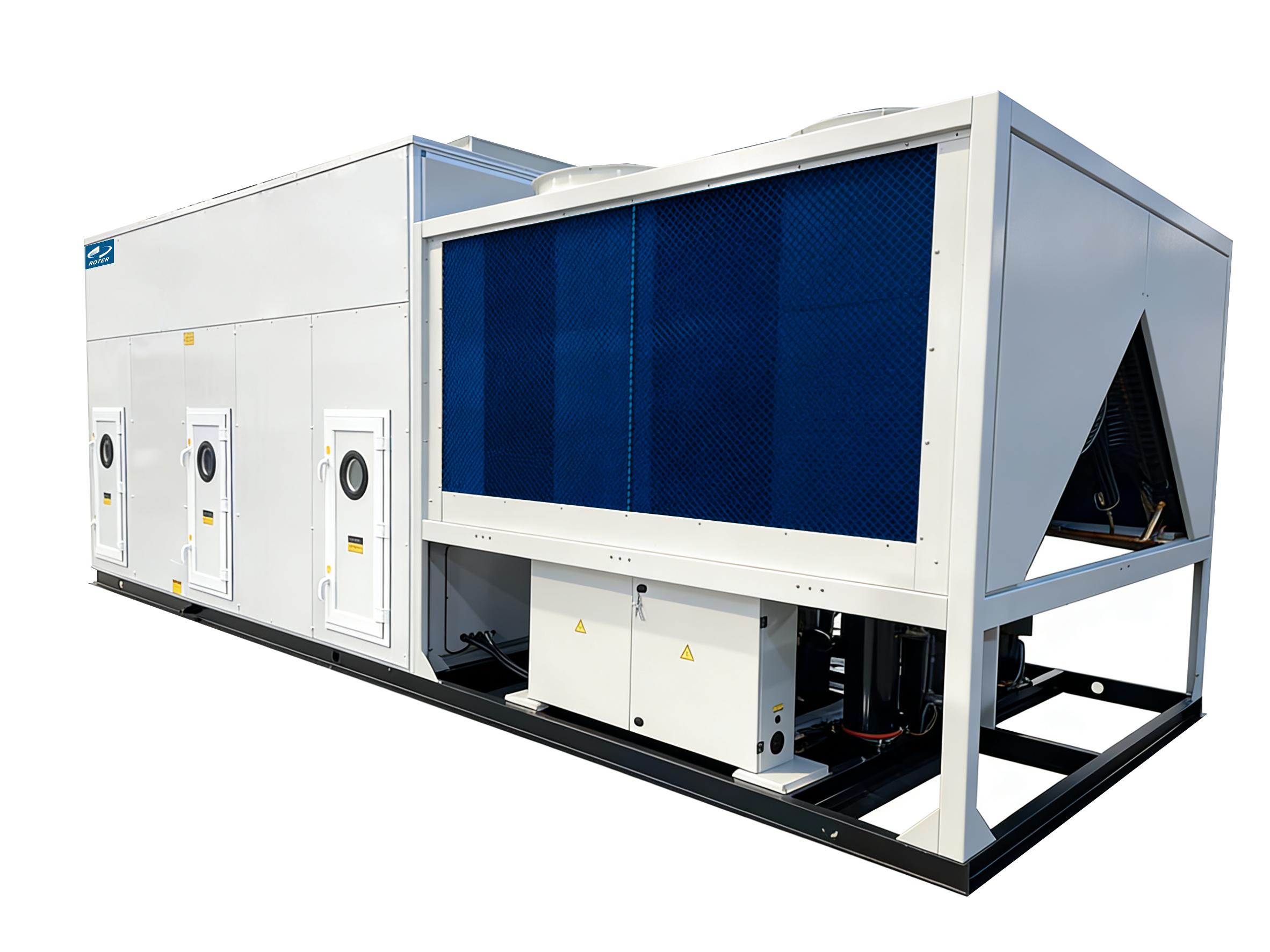
A machine is only as good as the hands that put it in place. You can buy the most precise alignment tool or the heaviest-duty mounting bracket, but if the team reads the room wrong, or ignores the substrate entirely, the whole setup drifts. The crew decides how level the frame sits, whether cable runs stay hidden, and how long the install actually holds up under daily use.
Equipment specs look impressive on a cut sheet, but specs don't account for uneven floors, old conduit, or a client who changes their mind mid-mount. That's where experience shows. A seasoned installer notices that a wall anchor isn't biting, swaps the bit before it overheats, or reroutes a line because the original plan would have put tension on a connector. These small calls rarely appear in the invoice, but they determine whether the hardware performs as promised.
When something fails, it's rarely the bracket or the display that gave out first. More often, the bolts were over-torqued, the load wasn't distributed correctly, or someone rushed the final level check. In that sense, the crew isn't just part of the cost. It's the part that makes the equipment worth buying.
The Refrigerant Charge Check Most Quotes Leave Out
Most air conditioning estimates will list the unit, the labor, maybe even a new thermostat, but they rarely mention how much refrigerant actually goes into the system. That omission matters more than people realize, because a factory charge only covers the outdoor condenser and a standard length of line set. The moment the indoor coil is replaced, the piping is longer than the book value, or a previous leak was never properly corrected, the system can end up undercharged or overcharged without anyone flagging it in the quote.
A proper refrigerant charge check involves weighing in the exact amount after pulling a deep vacuum, then fine-tuning with subcooling or superheat readings depending on the metering device. It is not a five-minute glance at a pressure gauge. When a contractor leaves this line out of the written proposal, the homeowner is essentially betting that the install crew will “get it close enough.” In many cases, close enough means a compressor that runs hotter than it should, higher energy bills, or a warranty claim that gets denied later because the system was never commissioned correctly.
The practical takeaway is simple: before signing, ask whether the quote includes recovering the old refrigerant, pressure testing with nitrogen, pulling a proper vacuum, and weighing in the new charge. If that language is absent, ask for it in writing. A system that is sized perfectly on paper can still fail early if the charge is guessed instead of measured.
Service Access and Filter Placement Before You Buy
Before committing to a purchase, it's worth checking how the service is actually delivered and where the filtering sits in that process. Some providers hand you a raw data stream and expect you to handle filtering on your end, while others do the heavy lifting before anything reaches your inbox or dashboard. That difference alone can change the total cost, setup effort, and day-to-day usability.
Placement also affects performance. Filtering performed upstream, close to the source, usually means less noise to store and fewer resources spent on irrelevant entries. Downstream placement, by contrast, gives you more control but often requires additional infrastructure and ongoing tuning. Ask for a clear description or a diagram of the pipeline before signing anything.
Finally, look at how access is structured during the evaluation period. A trial that limits API calls, hides certain filter options, or locks advanced placement settings won't give you a realistic sense of the full service. Request a setup that mirrors what you'd actually run in production, then test how easily filters can be moved, adjusted, or bypassed when exceptions come up.
Warranty Fine Print That Survives a Claim
Most people read the warranty card once, toss it in a drawer, and forget the details. But the fine print doesn't vanish after you file a claim. Clauses about transfer restrictions, excluded parts, or mandatory arbitration can quietly reset the rules. A replacement part might come with its own shorter coverage window, and a repair that touches one component can void coverage on a neighboring one. The original warranty often outlives the repair itself, leaving you bound by terms you never revisited.
What actually survives a claim is rarely what you remember. Some warranties state that any covered repair extends only ninety days from the service date, regardless of the original term. Others require you to use only authorized service centers for future work, or the remaining coverage evaporates. Deep in the footnotes, you may find that shipping costs, diagnostic fees, and software recalibrations stay on your bill permanently. These residual clauses don't announce themselves; they just resurface the next time something breaks.
The practical trick is to treat the warranty as a living document, not a one-time promise. After any claim, write down the exact date, part numbers, and what the service record says about continued coverage. Then pull up the original terms and look for phrases like "after service," "remaining period," or "exclusive remedy." Those few lines determine whether your warranty is still protecting you or just protecting the manufacturer's bottom line.
Feedback From Buyers After Two Cooling Seasons
Most of the comments that come back after two summers mention how quietly the unit settles into daily life. People rarely talk about specs or settings anymore; instead, they describe leaving it running while they sleep, or forgetting it is there until the room feels comfortable. A buyer in Phoenix wrote that the second season was actually better than the first, partly because the usual maintenance concerns never showed up and partly because the cooling stayed consistent even during a week of record heat.
Several long-term reviews focus on small details that only become clear with time. For example, the filter stays easy to reach without moving furniture, the drain line has not needed extra attention, and the airflow still reaches the far corner of a converted garage. One homeowner mentioned that after two summers the remote still works on the original batteries, which surprised him more than the electricity savings.
There are a few repeated criticisms in the feedback as well, but they tend to be minor. A handful of users said the sleep mode could be quieter, while others wished the display dimmed a little more at night. None of these points stopped them from recommending the unit to neighbors or relatives, and many of the reviews end with the same general thought: it does the job without becoming another thing to manage.
FAQ
Look past the spec sheets and ask for a list of completed projects with similar cooling loads and ambient conditions. Then call two or three of those clients and ask about unplanned service visits in the first eighteen months, not just whether they would recommend the brand.
Request part-load performance data at the exact conditions your building will see most often, such as 60 to 75 percent load with your local wet-bulb temperatures. Compare that against AHRI-certified ratings, and flag any supplier that only provides a single full-load number.
Insist on a detailed scope-of-supply that names the compressor brand, coil coating, controls protocol, and refrigerant piping responsibility. Also ask for a commissioning checklist and a written statement on who covers refrigerant charge adjustments during the first season.
A ten-year compressor warranty means little if the company takes three weeks to dispatch a technician during peak cooling season. Request a guaranteed response window, a local spare-parts inventory list, and an escalation contact before you buy, because downtime costs usually exceed the component itself.
Ask for photographs or drawings of the coil fin spacing, drain pan slope, and control panel layout from recent production runs. Better yet, request a video walkthrough of one unit being assembled, and check whether brazing joints are purged with nitrogen and whether each unit is run-tested before crating.
Watch for exclusions like rigging, electrical disconnects, refrigerant piping, condensate drainage, controls integration, and extended commissioning. Ask for a quote that lists all line items as included or excluded, and require written confirmation of who handles factory startup and any third-party testing.
Look for a supplier that provides a dedicated service coordinator, a password-protected equipment history portal, and scheduled seasonal inspections that include coil cleaning and refrigerant logging. If these items are absent from the proposal, the relationship often shifts to reactive break-fix support after payment clears.
Specialization tends to show up in better coil cabinet sealing, more realistic controls programming, and faster technical support because the engineering team sees the same failure patterns repeatedly. A broad portfolio is fine only if the company can name at least three similar DX installations from the past two years and provide direct references.
Conclusion
Smart buyers looking at direct expansion air-conditioning units quickly learn that polished brochures matter far less than the details hiding in plain sight. The evaporator coil tells you plenty about a company's real manufacturing and quality control standards; uneven fin spacing, thin tubing, or rough brazing often point to corners cut where it counts. Just as telling is the installation crew. Even a well-built unit can underperform when rushed technicians skip airflow measurements, ignore duct transitions, or fail to verify the full refrigerant charge by subcooling or superheat instead of relying on guesswork. A proper charge check is not a routine checkbox, and its absence in a written quote usually signals deeper shortcuts.
Before signing, walk around the proposed system and look at how filters and service points are positioned. If a filter is awkward to reach or the service access is blocked, upkeep will suffer for the life of the unit. Warranty language deserves equal attention; the real test is whether the terms still hold after a claim, with clear coverage for compressor failures, coil leaks, and labor rather than vague exclusions. Finally, ask for feedback from buyers who have lived through at least two cooling seasons. Their experiences with noise, humidity control, and repair response offer a more honest picture than any specification sheet can provide.
Contact Us
Contact Person: Rhea
Email: [email protected]
Tel/WhatsApp: +8618800560886
Website: https://www.rotorairtech.com