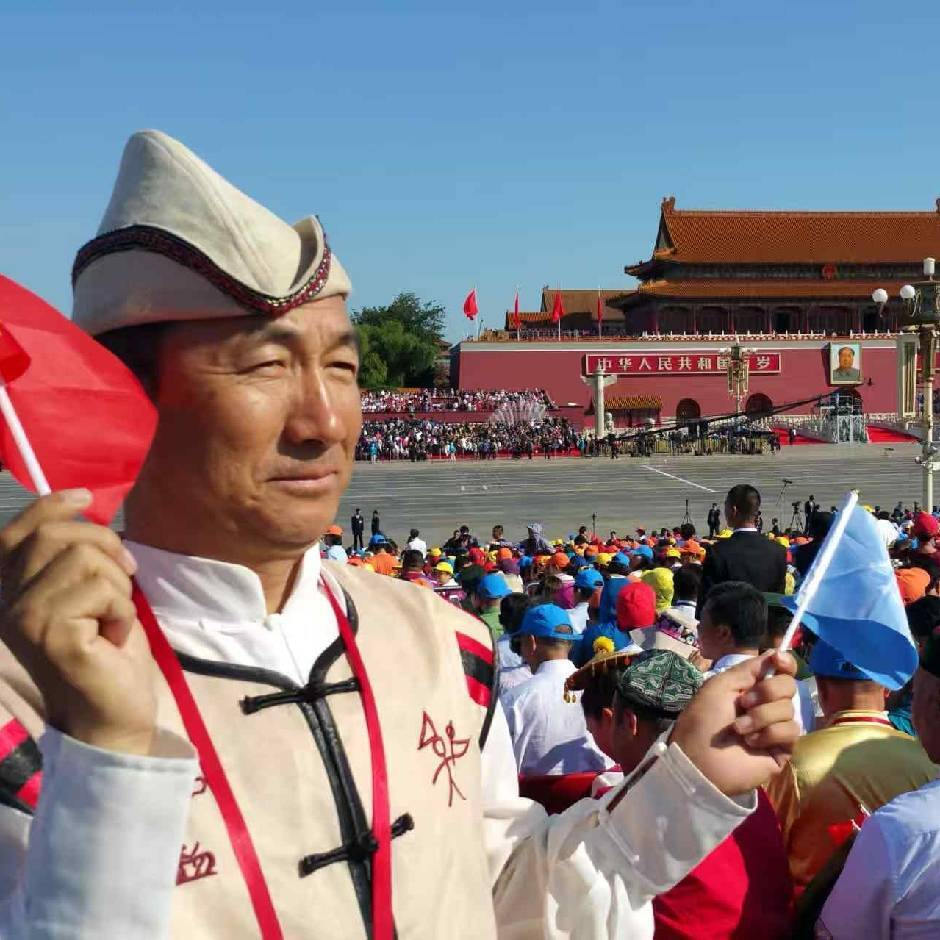

Discover Dongba Culture: Top Attractions in Yushui Village
2026-07-18
Tucked away in the foothills of the Jade Dragon Snow Mountain lies Jade Water Village, a living museum where the ancient Dongba culture still breathes. Here, stone-paved paths wind past shamanic rituals, centuries-old murals, and the last keepers of a script older than time. Meant as more than a checklist of sights, this guide unveils the hidden corners where tradition feels startlingly alive.
Where Ancient Scripts Come Alive: Dongba Calligraphy Workshops
Stepping into a Dongba calligraphy workshop feels like crossing a threshold into a living museum of Naxi culture. The air is thick with the scent of pine soot ink and handmade paper, while the walls whisper stories through pictographic characters that have survived for over a thousand years. Here, the Dongba script refuses to be a relic — it dances, breathes, and invites you to become part of its lineage. Under the patient guidance of a Dongba master, you learn that each stroke is not just a letter but a vessel for ancient wisdom, a fusion of art and language where a single symbol can capture an entire story. The brush becomes an extension of your curiosity, tracing lines that connect you directly to the animistic traditions of southwest China.
The workshop begins with a quiet moment of grounding: you prepare ink by grinding a solid cake of charcoal against a stone, a meditative rhythm that echoes centuries of tradition. The master demonstrates how the simplest character — for sun, for tree, for human — evolves from a vivid image into a stylized mark, yet never loses its pictorial soul. As you replicate the characters, you discover an unexpected intimacy with the Naxi worldview, where nature is not separate from humanity but intertwined in every phrase. Mistakes are embraced as part of the learning; a slightly trembling line might become a mountain breeze or a ripple on a lake, and the master often smiles, reminding you that imperfection is the truest form of authenticity in Dongba calligraphy.
By the time you finish your first clean sheet of script, you hold more than a souvenir — you carry a fragment of a culture that has quietly endured invasions, upheavals, and the relentless march of modernity. The workshop is a dialogue between past and present, where you are not merely an observer but an active participant in keeping the Dongba script alive. As you roll up your paper and step back into the bustling streets of Lijiang, the characters seem to follow you, their meanings unfurling in your mind like the opening of a sacred scroll. It's a rare chance to write history with your own hand, and to realize that some scripts are so much more than words — they are a way of seeing the world.
Sacred Springs and Waterfalls: Nature’s Canvas in Yushui
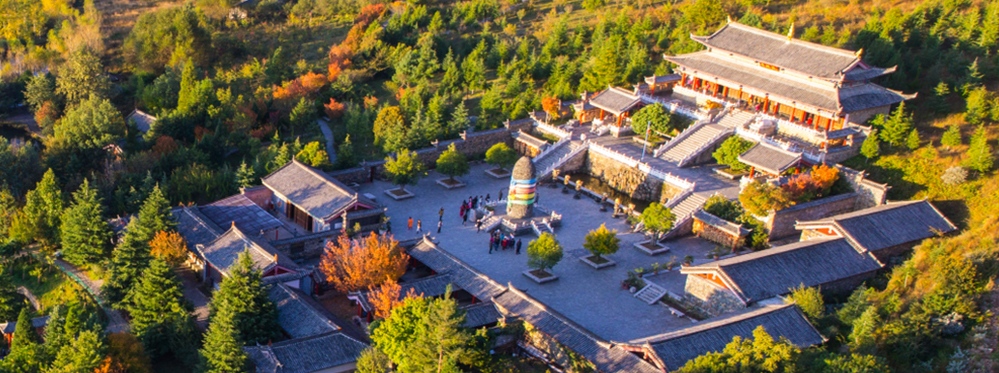
Walking through Yushui feels like stepping into a living watercolor where springs and waterfalls aren't just scenery—they're storytellers. The sacred springs here have been revered for centuries, their crystal-clear waters believed to carry whispers of ancient blessings. Tucked beneath mossy rocks or framed by ferns, each spring creates a quiet sanctuary where time slows down and the only sound is the gentle gurgle of water meeting stone.
The waterfalls, though, refuse to be subtle. They cascade down steep cliffs with a joyful roar, sending mist into the air that catches the light in a thousand tiny rainbows. Unlike the manicured falls of tourist brochures, these feel raw and untamed—nature painting with broad, exuberant strokes. Standing near one, you’re wrapped in cool spray and the earthy scent of wet foliage, reminded that the best masterpieces don't need a frame.
What makes Yushui’s waterscapes so captivating is how they shift with the seasons. A spring that murmurs softly in summer takes on an icy sparkle in winter; a waterfall that thunders after rain softens to a silver thread during dry spells. Locals know the secret paths to these spots but seldom boast about them, leaving visitors to stumble upon these moments of pure, unscripted beauty as a personal discovery.
Witness a Living Tradition: Dongba Rituals at Dawn
In the soft, gray light before sunrise, the ancient village stirs with a quiet reverence. A Dongba priest, clad in a richly embroidered robe, carefully arranges offerings of rice, incense, and sacred texts on a weathered stone altar. The air is cool and still, broken only by the rhythmic chanting that begins to rise, each syllable a bridge to a world unseen. This is not a performance for tourists, but a genuine moment of connection—a living thread stretching back over a thousand years to the spiritual traditions of the Naxi people.
As the first rays of sun pierce through the misty mountains, the rituals deepen. The priest's voice weaves through intricate pictographic scriptures, the only surviving hieroglyphic writing system still in use. Drumbeats and the clashing of cymbals punctuate the chants, while dancers in vivid costumes mimic the movements of gods and ancestors. The smell of burning juniper fills the air, purifying the space and inviting benevolent spirits to witness the ceremony. Each gesture, each sound, is laden with meaning—a plea for harmony between humanity and nature, a prayer for a bountiful harvest, or a blessing for a new beginning.
To witness a Dongba ritual at dawn is to step outside of modern time and into a cosmology where every tree, rock, and stream is alive with spirit. It's a stark reminder that such traditions are not relics of the past, but breathing practices that adapt and endure. As the ceremony concludes and the sun fully illuminates the courtyard, participants share cups of butter tea in quiet camaraderie, their faces reflecting a sense of renewal. For those lucky enough to be present, it’s an intimate encounter with a culture that has steadfastly preserved its soul against the tide of change.
Artisan Alley: Handcrafted Naxi Treasures
Tucked away from the main tourist drags, Artisan Alley feels like a living workshop rather than a marketplace. Narrow cobbled paths wind between wooden storefronts whose shelves hold Naxi embroidery, handmade Dongba paper, and copperware that still carries the faint scent of the forge. The rhythm here is slower—a loom clacks in one corner, a silversmith taps out patterns on a bracelet nearby, and conversations drift between the craftspeople in their native tongue.
Many of the pieces could only be made here. The leather satchels are stitched with symbols from Naxi pictographs, dyes come from local plants like sappanwood and gardenia, and the ceramics are shaped from clay dug out of the nearby hills. It’s not uncommon to walk past a carver working on a new Dongba scripture block or a woman layering beeswax onto cloth for batik. The work isn’t rushed—each item seems to hold the time it took to make it.
If you pause long enough, someone might invite you to try your hand at embroidery or show you how ink is ground on an inkstone. Most visitors leave with more than a souvenir; they carry the memory of watching a craft take shape and perhaps a small piece that still smells of wood shavings or smoke from the kiln.
The Whispering Woods: Myths Etched in Stone
Deep in the heart of the Whispering Woods, where the canopy swallows the sky and every breeze carries a secret, there stands a forgotten circle of stones. Each slab is carved with symbols older than any known language—spirals, animal forms, and celestial markings worn smooth by centuries of rain. Locals tell of a time when the forest itself spoke through these stones, whispering truths to those who dared press their ear against the cold rock at twilight.
The most famous story etched into the granite tells of the Fey Accord—a pact between the first people of the valley and the forest spirits. Legend says that so long as the stones remain unbroken, the woods will protect the valley from flood and famine. But the myth also warns of a time of silence: if the carvings ever fade completely, the forest will forget its promise, and the whispers will cease forever. Even now, hikers sometimes leave small offerings at the base of the largest stone, hoping to coax the old voices back to life.
What’s striking is that no two scholars agree on the origins of these carvings. Some claim they predate the Celtic tribes who once roamed these hills, while others swear the symbols shift subtly with the seasons. Perhaps that’s the true power of the Whispering Woods: not in what is definitively known, but in the way the myths reinvent themselves with every generation who stumbles upon the stones, tracing the grooves with their fingertips and adding their own fears and hopes to the ancient narrative.
Savor the Flavors of the Naxi: A Culinary Journey
Tucked high in the folds of Yunnan’s mountains, the Naxi people have quietly nurtured a food culture that feels both rooted and untamed. Unlike the bold, fiery heat of Sichuan fare or the delicate subtlety of Cantonese cooking, Naxi cuisine hums with a rhythm of its own—earthy, fermented, and faintly smoky from wood-fired hearths. It’s a kitchen built on survival and altitude, where yak butter tea warms chilled bones and ribbons of sun-dried pork belly hang like amber curtains in thin mountain air. Every meal tells a story of the ancient Tea Horse Road, of Tibetan caravans and Han merchants swapping salt slabs for bricks of pu’er, leaving behind whispers of cumin, preserved mustard greens, and a deep love for textural contrast. To eat here is to taste centuries of quiet adaptation, the flavors layered like the terraced rice fields that cascade down nearby slopes.
You’ll find no menus cluttered with cosmopolitan glitter; instead, Lijiang’s cobbled lanes lead you to humble courtyards where thick, cracker-like baba bread sizzles on griddles, its crisped shell giving way to a springy, leavened heart. Eaten plain or stuffed with minced ham and scallions, it’s a canvas for the region’s famed dry-cured hams—deep ruby slices with a nutty, almost maple sweetness that lingers. Then there’s the cold, slippery thrill of jidou peas in a sour-spicy dressing, or a claypot of tender goat simmered with medicinal roots that taste of pine forest and distant rain. Don’t overlook the pickles: jars of scarlet chili-fermented cabbage and crunchy, salt-cured radish bring a sharp, cleansing bite between richer mouthfuls. And for the adventurous, a plate of deep-fried water beetles from Lashi Lake offers a crackling, slightly briny crunch—far more delicate than its fearsome appearance suggests.
What stays with you long after the meal isn’t just the flavors, but the unhurried ritual of Naxi hospitality. Small cups of home-distilled barley liquor appear with a shy smile, and the cook might insist you sample a simmering pot of snowy tofu curds alongside wild-foraged mushrooms black as storm clouds. Breakfast brings bowls of faultlessly silky rice noodles in a bone broth that simmers through the night, drowning slivers of pickled ginger and wild mint. There’s comfort in the way each dish is anchored to a place—the white-water rapids of Tiger Leaping Gorge, the alpine meadows where black goats graze among gentians, the high passes fragrant with Sichuan pepper bushes. Gradually, you realize this culinary journey is less about ticking off specialties and more about sliding into a rhythm that predates roads and electricity, savoring each bite as the Naxi do: with gratitude, patience, and a quiet reverence for the land that sustains them.
FAQ
Yushui Village is the heart of Dongba culture, the ancient spiritual and intellectual tradition of the Naxi people. Unlike typical tourist spots, it offers an immersive look into a living heritage with its sacred rituals, pictographic script, and serene natural landscapes.
Visitors can explore the Dongba Cultural Museum to see rare manuscripts, watch Dongba shamans perform ceremonies, and learn to write simple characters in the world's only remaining pictographic writing system still in ritual use.
The village is surrounded by the Jade Dragon Snow Mountain foothills, with Yushui River running through it. Sacred springs, ancient trees, and tranquil paths create a backdrop that the Naxi believe is inhabited by nature spirits, adding a mystical layer to your visit.
Guests are welcome to observe ceremonies quietly, ask questions at the museum, and even participate in blessing rituals if invited. Dress modestly, follow guide instructions, and approach the culture with an open mind—it's not a performance but a living faith.
The Yushui River is considered a divine water source flowing from the snow mountain, used in purification rituals and seen as a link between heaven, earth, and the underworld. Locals often fill bottles with its water for good luck.
Yes, you can try making traditional Dongba paper from local plant fibers, carve simple pictographic stamps, or join a workshop on Naxi embroidery, all while listening to stories from village elders who keep these crafts alive.
Spring and autumn are ideal, especially during the Sanduo Festival in February (lunar calendar) and Torch Festival in June, when the village hosts vibrant rituals, folk dances, and communal feasts that showcase Dongba culture at its most vivid.
Baisha Old Town with its Ming-dynasty frescoes is a short drive away, and the Lijiang Old Town offers a broader taste of Naxi heritage. For nature lovers, hiking trails in the Jade Dragon Snow Mountain area start nearby, making Yushui an excellent base.
Conclusion
Yushui Village hums with a quiet magic, where the ancient Dongba script isn't a museum piece but something you can feel beneath your fingertips. Join a calligraphy workshop and watch the pictographs come alive as your brush traces symbols that have carried the Naxi people's stories for centuries. Then let the village's natural lullaby guide you to its sacred springs and waterfalls—sprays of water that locals believe hold whispers of protective spirits. Dawn breaks differently here, too: rise early to witness a Dongba ritual, with chanting that seems to pull the sun over the mountains, blending incense smoke with the crisp morning air in a moment that feels completely outside of time.
Wandering into Artisan Alley, you'll find hands weaving, carving, and embroidering Naxi treasures that echo the region's soul—each piece a conversation between maker and tradition. The nearby whispering woods invite you deeper, where mossy stones are carved with myths of creation and love, the wind nudging branches as if recounting the tales aloud. And when hunger strikes, the Naxi kitchen doesn't disappoint: smoky yak butter tea, cured meats, and foraged herbs turn every meal into a story on your plate. From ink to stone, from water to fire, Yushui doesn't just display Dongba culture—it wraps you in it, leaving you with the sense that you've walked alongside a living, breathing heritage.
Contact Us
Contact Person: Changhong He
Email: [email protected]
Tel/WhatsApp: 086-0888-5190152
Website: https://vip.e-baixing.com/ysh