

Dust Collector Factory: Optimizing Production Efficiency with Advanced Air Filtration Systems
2026-04-03
In today's industrial landscape, maintaining a clean and efficient production environment is more critical than ever, yet many factories struggle with airborne dust that compromises both productivity and worker health. This often overlooked challenge can lead to costly downtime, reduced equipment lifespan, and regulatory fines. At Fanchang Machinery, we've seen firsthand how advanced air filtration systems transform such operations—turning dusty, inefficient spaces into streamlined hubs of productivity. In this blog, we'll dive into how a dust collector factory can harness cutting-edge technology to optimize production efficiency, reduce operational costs, and create safer workplaces. From innovative filtering methods to real-world applications, discover the secrets behind cleaner air and smarter manufacturing. Ready to breathe new life into your facility? Let's explore the future of industrial air quality together.
Innovative Air Filtration Solutions for Dust Collector Factories
In dust collector factories, effective air filtration is crucial for both environmental compliance and worker safety. We've developed cutting-edge solutions that go beyond traditional methods, integrating modular systems that adapt to varying industrial needs. By leveraging high-efficiency particulate air (HEPA) filters and smart sensing technology, we can now monitor air quality in real-time, ensuring optimal performance. This approach not only reduces maintenance costs but also enhances dust collection efficiency, making it ideal for facilities dealing with fine particulates.
Our innovations focus on sustainability and energy savings, utilizing advanced materials like nanofibers to capture even the smallest dust particles. These filters are designed to last longer and require less frequent replacements, which minimizes downtime in production lines. Additionally, we emphasize customizability, allowing factories to tailor filtration systems based on their specific processes and dust types, such as wood, metal, or chemical residues.
To stand out in the industry, we prioritize user-friendly design and seamless integration with existing machinery. Our solutions include automated backwashing mechanisms that keep filters clean without manual intervention, boosting overall operational efficiency. By combining reliability with forward-thinking features, we empower dust collector factories to meet strict regulatory standards while optimizing their workflows for a cleaner, safer work environment.
Enhancing Manufacturing Efficiency Through Tailored Dust Control
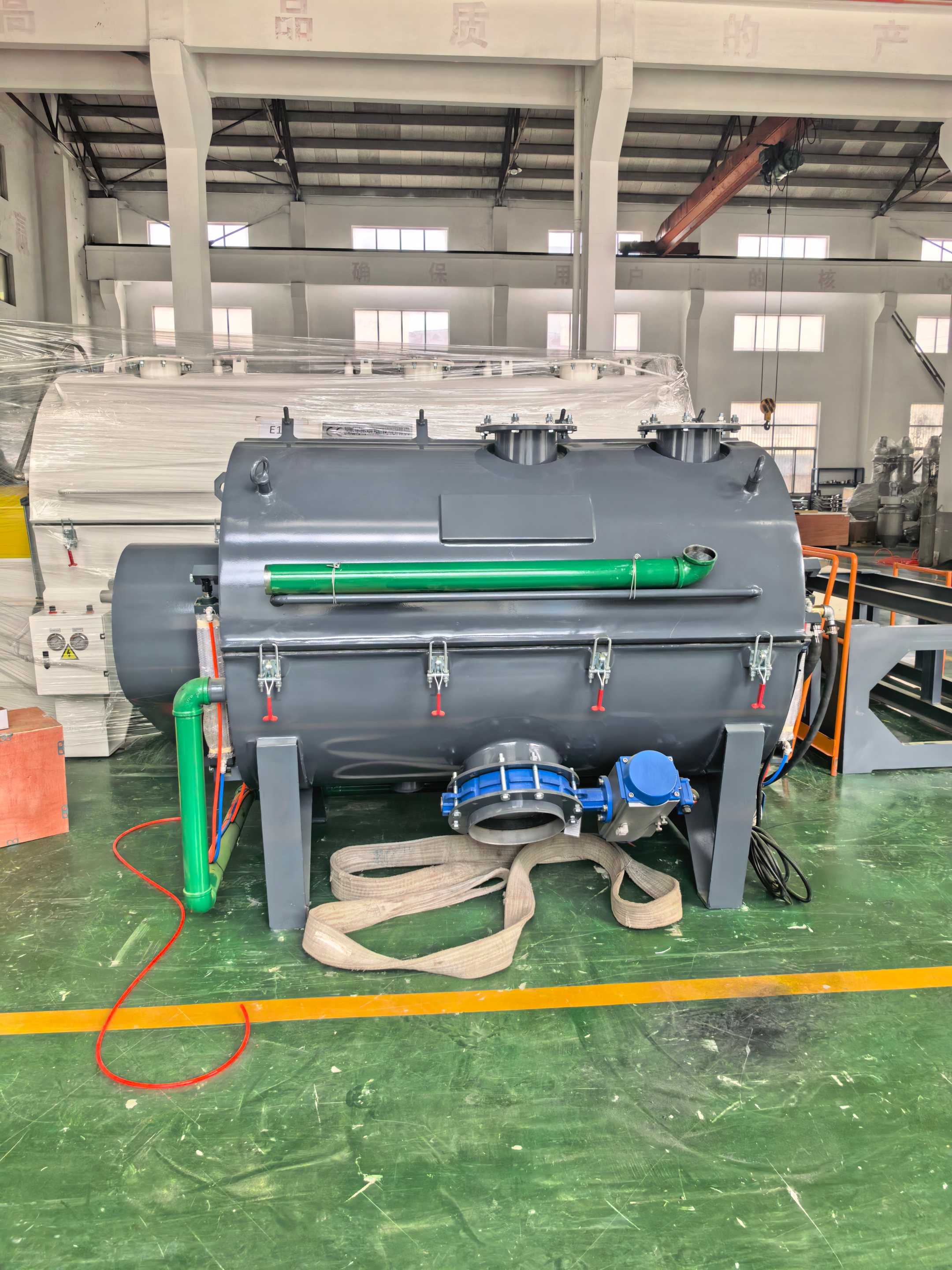
Manufacturers often overlook dust accumulation as a minor housekeeping issue, yet it can drastically undermine operational efficiency when left unchecked. Untailored dust control measures frequently fall short, leading to clogged machinery, increased wear and tear, and frequent production halts. By adopting customized dust control solutions, facilities can directly address these inefficiencies, ensuring equipment runs smoother and longer with fewer unexpected breakdowns.
Tailoring dust control to specific processes and materials goes beyond basic filtration; it involves designing systems that capture particles at their source before they spread. This proactive approach minimizes airborne contaminants, reducing the need for extensive cleanup and maintenance. As a result, workers spend less time on reactive tasks and more on productive activities, boosting overall throughput and operational fluidity.
Implementing tailored dust control also enhances safety and compliance, preventing dust-related hazards like explosions or respiratory issues. By fostering a cleaner and safer environment, manufacturers not only protect their workforce but also improve morale and reduce absenteeism. This holistic impact on efficiency demonstrates how thoughtful dust management transforms a potential liability into a strategic advantage, driving sustainable performance gains.
Cutting-Edge Technologies in Industrial Air Purification Systems
The industrial landscape is witnessing a remarkable shift in air purification, driven by technologies that prioritize efficiency and environmental responsibility. Unlike traditional methods that often rely on basic filtration, modern systems incorporate advanced materials like nanocatalysts and graphene-based filters, which target specific pollutants with unprecedented precision. These innovations not only enhance air quality but also reduce energy consumption, making them a smart investment for facilities aiming to cut operational costs while meeting stringent emission standards.
Another exciting development is the integration of Internet of Things (IoT) sensors and artificial intelligence into purification setups. By continuously monitoring air quality in real-time, these systems can automatically adjust filtration levels based on detected contaminants, from volatile organic compounds to particulate matter. This dynamic approach eliminates guesswork, ensures optimal performance during peak production hours, and minimizes downtime for maintenance, offering a seamless solution that adapts to ever-changing industrial environments.
Looking ahead, emerging technologies such as plasma-based purification and biomimetic designs are gaining traction for their ability to neutralize complex pollutants without harmful byproducts. For instance, cold plasma systems break down toxic gases into harmless compounds, mimicking natural atmospheric processes. Combined with modular designs that allow easy scalability, these cutting-edge solutions empower industries to tackle air pollution proactively, setting new benchmarks for sustainability and workplace safety without compromising on productivity.
Reducing Downtime and Maintenance Costs with Smart Filtration
Smart filtration systems are revolutionizing how industries manage their equipment upkeep, directly tackling the twin challenges of unplanned downtime and escalating maintenance expenses. By leveraging real-time data and advanced sensors, these systems monitor filter performance continuously, alerting operators to potential issues before they escalate into costly failures. This proactive approach not only prevents sudden breakdowns but also extends the lifespan of machinery, minimizing the need for frequent replacements and repairs.
Imagine a manufacturing plant where traditional filters get clogged unnoticed, leading to reduced efficiency and eventual system shutdowns that halt production for hours. With smart filtration, subtle changes in pressure or flow rates trigger immediate notifications, allowing maintenance teams to schedule interventions during planned downtimes. This shift from reactive to predictive maintenance slashes unexpected stoppages, keeping operations smooth and reducing labor costs associated with emergency fixes. It's like having a vigilant assistant that whispers warnings before problems turn into crises.
Beyond preventing downtime, smart filtration optimizes resource use, cutting down on unnecessary filter changes and waste. By analyzing usage patterns, these systems determine the exact moment a filter needs replacement, avoiding premature swaps that drive up costs. In sectors like oil and gas or pharmaceuticals, where cleanliness is paramount, this precision ensures compliance without overspending. As a result, companies see a steady drop in their overall maintenance budgets, freeing up funds for innovation rather than just keeping the lights on—a subtle yet powerful edge in today's competitive landscape.
Achieving Regulatory Compliance and Worker Safety in Production
Navigating the complex landscape of regulatory compliance while ensuring worker safety is a critical challenge in modern production environments. It involves not just following rules but proactively integrating safety protocols into daily operations, from equipment maintenance to employee training. By establishing clear safety standards and regular audits, companies can minimize risks and create a culture where compliance is a shared responsibility, rather than a bureaucratic hurdle.
This often requires balancing tight production schedules with thorough safety checks, which can be achieved through innovative tools like real-time monitoring systems and automated alerts for potential hazards. For instance, using data analytics to predict equipment failures before they occur can prevent accidents and reduce downtime, demonstrating how technology can enhance both compliance and operational efficiency.
Ultimately, prioritizing worker safety goes beyond mere legal obligations—it fosters a sense of trust and well-being among employees, leading to higher morale and productivity. By embedding these principles into the core of production processes, organizations can build resilient operations that not only meet regulations but also set new benchmarks for industry best practices.
Scalable Filtration Designs for Growing Factory Operations
As factories expand to meet rising demand, the need for scalable filtration systems becomes critical to maintain efficiency and sustainability. Traditional setups often struggle with increased production volumes, leading to clogs and downtime. Scalable designs allow for modular additions, enabling seamless integration of new filters or enhanced components without disrupting existing workflows. This adaptability not only supports growth but also reduces long-term costs by optimizing resource usage and minimizing waste.
Implementing scalable filtration involves selecting materials and technologies that can handle varying loads and contaminants. For instance, using smart sensors and automated controls helps monitor performance in real-time, adjusting flow rates or triggering maintenance alerts as operations scale up. This proactive approach ensures consistent air and water quality, crucial for regulatory compliance and worker safety, while preventing bottlenecks that could hinder production targets.
Beyond immediate operational benefits, scalable filtration designs contribute to long-term environmental and economic resilience. By designing systems that can evolve with factory needs, companies avoid frequent overhauls and invest in solutions that support both current outputs and future expansions. This foresight fosters a culture of innovation, positioning factories to adapt to market shifts and sustainability goals without compromising on performance or reliability.
FAQ
Advanced air filtration systems capture fine dust particles, reducing machinery downtime and maintenance, which leads to smoother operations and higher output.
They typically include HEPA filters, automated cleaning cycles, and energy-efficient designs that adapt to varying dust loads for optimal performance.
Efficiency cuts costs, meets rising demand, and enhances product quality, giving factories a competitive edge in the industrial market.
High initial costs, integration with existing equipment, and training staff to manage new technologies can be hurdles, but long-term benefits often outweigh these.
By removing harmful airborne contaminants, they protect employee health and help factories meet strict environmental regulations, reducing legal risks.
Smart sensors for real-time monitoring, IoT connectivity for predictive maintenance, and modular designs for easy upgrades are common efficiency-boosting techs.
Lower operating costs, reduced waste, improved product reliability, and a stronger brand reputation for sustainability and innovation.
Conclusion
Dust Collector Factory emerges as a pivotal player in enhancing manufacturing efficiency through advanced air filtration systems, addressing both operational and regulatory needs. It leverages innovative air filtration solutions tailored specifically for industrial environments, such as those referenced in "Innovative Air Filtration Solutions for Dust Collector Factories," which reduce airborne contaminants like dust and particulates. By implementing cutting-edge technologies in industrial air purification systems, the factory optimizes production processes, minimizing disruptions and improving overall output. This approach not only enhances manufacturing efficiency through tailored dust control but also helps in reducing downtime and maintenance costs with smart filtration, ensuring smoother operations and cost savings over time.
Furthermore, the factory prioritizes worker safety and regulatory compliance, as highlighted in "Achieving Regulatory Compliance and Worker Safety in Production," by maintaining clean air standards and adhering to environmental guidelines. Its scalable filtration designs support growing factory operations, allowing for flexible expansion without compromising air quality. By integrating these elements, Dust Collector Factory stands out in the industry, offering a comprehensive and forward-thinking approach that combines technological innovation with practical efficiency gains, ultimately fostering a safer and more productive manufacturing environment.
Contact Us
Contact Person: Darye WANG
Email: [email protected]
Tel/WhatsApp: 86-13501017897
Website: https://www.fcntd.com/