
Eco-Friendly Fire Retardant Clothing: Sustainable Safety for Modern Workplaces
2026-08-16
Workplace safety and environmental responsibility often seem at odds—especially when it comes to fire retardant clothing. But what if you didn't have to choose between protecting your team and protecting the planet? DROTEX is changing the conversation with eco-friendly FR gear that doesn't compromise on safety. Curious how sustainable materials can stand up to real-world flames? Keep reading.
Why Eco-Friendly Fire Retardant Clothing Makes Sense Now
Conventional fire retardant workwear often relies on chemical treatments that can be harsh on both skin and the environment. Many of these finishes break down over time, releasing compounds into water systems during washing. Eco-friendly alternatives are changing this by using naturally resistant fibers or less harmful treatment processes, which means fewer irritants against the body and a smaller toxic footprint left behind after each laundry cycle.
Beyond the environmental angle, there is a practical side that is easy to overlook. Sustainable flame-resistant fabrics tend to maintain their protective qualities longer because they are built from the fiber up rather than coated after weaving. This translates into fewer replacements, less waste in landfills, and a more consistent safety margin for workers in high-risk jobs. It is not about choosing between safety and sustainability anymore; the two are starting to reinforce each other.
Cost perceptions are also shifting. As production scales and demand grows, the price gap between traditional and eco-conscious fire retardant clothing keeps narrowing. Companies that adopt these garments early are finding that the total cost of ownership actually drops when you factor in durability and reduced environmental compliance burdens. In that sense, making the switch now is less of a premium choice and more of a forward-thinking operational decision.
The Real Cost of Conventional FR Fabrics
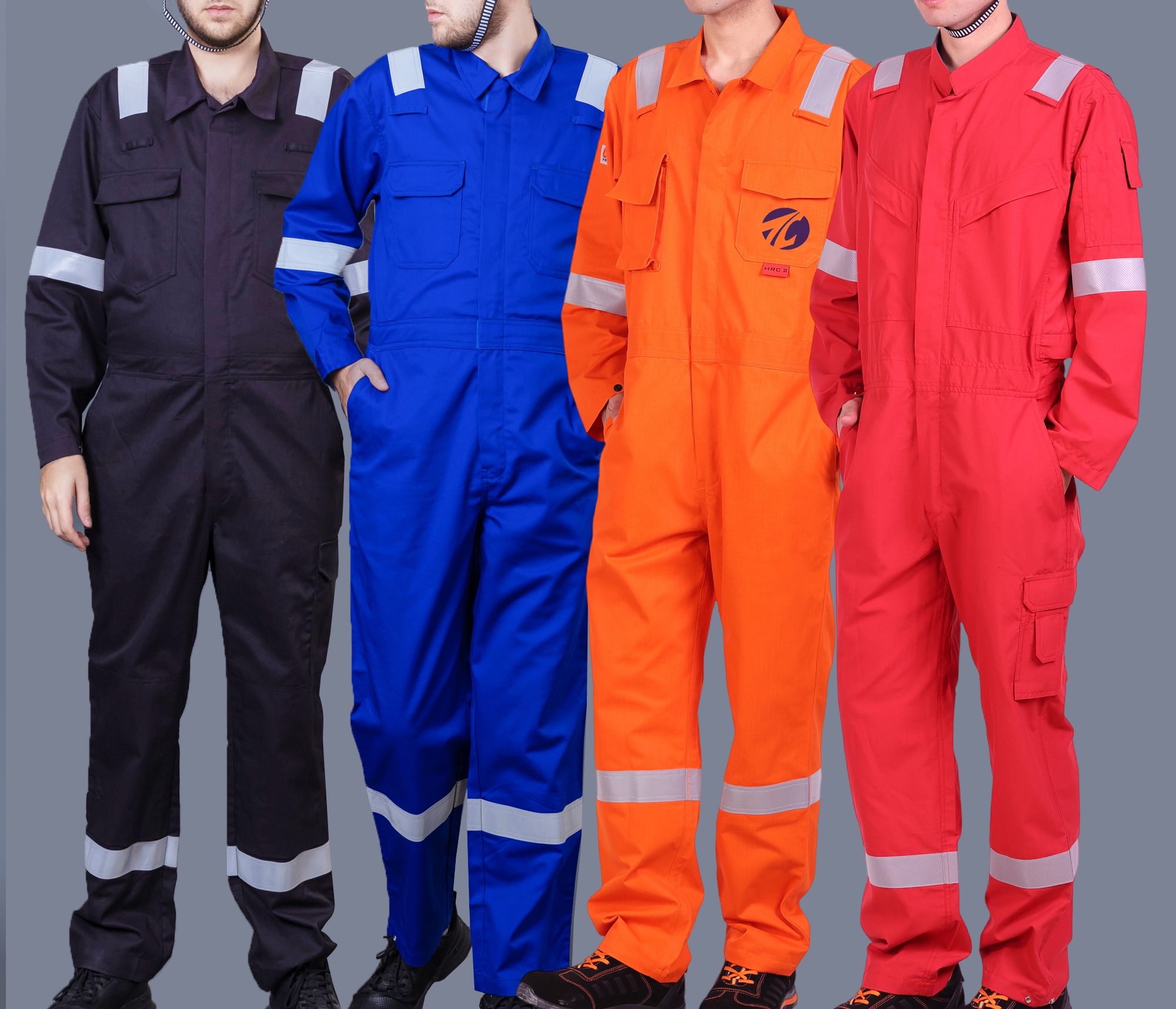
Flame-resistant fabrics have long been sold on the promise of safety, but the sticker price rarely tells the whole story. Conventional FR textiles—typically treated cotton or inherently flame-retardant synthetics—carry hidden costs that accumulate over the life of a garment. These costs go beyond the initial purchase, showing up in maintenance, replacement cycles, and even worker comfort. For any operation that equips crews with FR gear, overlooking these factors can quietly inflate the total cost of ownership far beyond what a simple budget line suggests.
The first hidden expense comes from how these fabrics behave after repeated industrial laundering. Many conventional FR treatments degrade over time, especially when exposed to hard water, bleach alternatives, or high-heat drying. Inherent FR fibers may hold up better, but they often sacrifice breathability and softness, leading to lower wear compliance—garments get shoved to the back of the locker and replaced sooner than planned. Shrinkage is another common complaint; a shirt that loses two inches in the sleeve after a dozen washes doesn't just look sloppy, it can expose skin to hazards and force early retirement of the garment.
Then there's the environmental and disposal angle, which more companies are beginning to factor into their real costs. Treated FR fabrics frequently contain chemical finishes that complicate end-of-life handling, and many can't be safely incinerated or recycled through standard textile streams. That means higher waste fees, potential regulatory friction, and a less sustainable supply chain. When you add up the laundering wear, the comfort-driven replacement rate, and the disposal burden, conventional FR fabrics often end up costing two to three times their purchase price over a typical three-year service life. The real cost isn't on the invoice—it's in the operational churn that follows.
Materials That Meet Safety Codes Without the Environmental Toll
Building codes have long favored materials with proven track records—concrete, steel, treated lumber—often at significant environmental cost. But a growing number of alternatives now meet the same safety thresholds without the heavy ecological footprint. Take cross-laminated timber (CLT): it can achieve fire resistance ratings comparable to steel and concrete because the outer layer chars and protects the core. Meanwhile, recycled steel maintains its structural strength while cutting embodied carbon by up to 75 percent. These aren't niche experiments; they are code-compliant options already used in mid-rise and even high-rise construction.
The challenge isn't just fire or structural performance, though. Many codes also regulate indoor air quality, moisture resistance, and long-term durability. Low-VOC adhesives, plant-based insulation, and mineral wool made from slag all clear those bars while avoiding the toxic off-gassing or resource depletion of conventional products. One common misconception is that "green" materials sacrifice safety, but that's often a matter of outdated testing data. Modern formulations are engineered precisely to meet or exceed code requirements, and third-party certifications verify it.
What's changing is the availability of transparent performance data. Architects and builders can now compare environmental product declarations alongside code compliance documents, making it easier to specify materials that don't force a trade-off. The result is a shift from "either/or" thinking—safe or sustainable—to a market where the most responsible choice can also be the most code-compliant one.
Keeping Teams Safe and Supply Chains Clean
Every shift begins with a quick check-in that goes beyond routine paperwork. Team members verify their PPE, confirm handwashing stations are stocked, and flag any surface that looks like it needs attention before the line starts moving. This small habit catches slips that formal audits often miss and keeps safety from becoming a box-ticking exercise.
On the supply side, cleanliness starts at the loading dock. Incoming pallets are inspected for signs of pests, spills, or cross-contamination, and delivery drivers are asked to follow a simple sanitizing protocol before entering staging areas. We've learned that a dirty pallet can undo hours of careful work inside the facility, so we treat the perimeter as part of the processing floor.
The real test is when something goes wrong. A torn glove or a suspicious shipment isn't treated as an interruption but as information. Teams are trained to pause, contain the area, and document what they see without fear of blame. That combination of clear rules and human judgment is what makes both people and products safer.
From Factory Floor to Field: How Green FR Holds Up
The first real test happens long before the garment leaves the factory. Each batch of Green FR fabric gets pulled from the production line and shoved into a flammability chamber, then washed, dried, and burned again. That cycle repeats dozens of times until the lab techs are satisfied the char length stays short and the afterflame dies out fast. It is not glamorous, but it catches the weak spots before a single jacket makes it to a loading dock.
Out in the field, the story gets messier. Mud, diesel, welding spatter, and a hundred wash cycles at whatever the job site laundry has running. Green FR does not just survive that abuse; the flame resistance is built into the polymer backbone, so it cannot wash out or wear off like a topical treatment. Workers have put these coveralls through six months of daily dirt and seen the same five-second self-extinguish time as day one. That is the part that actually matters when an arc flash or flash fire hits without warning.
The gap between lab results and real-world performance is where most FR fabrics fall apart. Green FR closes that gap by testing prototypes on live crews, not just mannequins. Feedback from linemen and refinery workers drove changes to seam strength and breathability without touching the flame resistance. The result is gear that still passes the vertical flame test after looking like it should have been retired two seasons ago.
A Practical Buyer’s Checklist for Sustainable FR Workwear
Start by flipping the garment inside out and reading the care label with suspicion. Many brands slap a green leaf on the hangtag but still use halogenated flame retardants or blend recycled polyester with virgin synthetics that shed microplastics. Ask for the full chemical disclosure—not just the marketing sheet—and look for third-party verification like bluesign, OEKO-TEX Standard 100, or GOTS if the base fiber is cotton. If the supplier hesitates to share test reports, treat that as a red flag.
Next, think beyond the initial purchase. A truly sustainable FR workwear program includes repair, reissue, and end-of-life take-back. Check whether the manufacturer offers spare parts like zippers or reflective tape, and whether worn garments can be returned for fiber-to-fiber recycling instead of landfill. Also compare the expected wash cycles: a slightly more expensive garment that lasts twice as long often has a lower carbon footprint per wear than a cheap import.
Finally, verify the human side of the supply chain. Sustainable isn't only about materials—it's about the people cutting and sewing the fabric. Request a copy of the supplier's code of conduct, audit results, and any living wage commitments. If a brand publishes a factory list without prompting, that's usually a sign they have nothing to hide. Add these checks to your existing FR performance specs, and you'll avoid the greenwash traps that plague the workwear market.
FAQ
Manufacturers often blend Tencel or organic cotton with inherently flame-resistant fibers like modacrylic. Some newer lines use bio-based FR treatments derived from plant starches rather than halogenated chemicals, which lowers environmental impact while keeping the garment protective.
High-quality eco-friendly FR garments are tested to survive 50 to 100 industrial wash cycles without losing their flame resistance. Because many rely on inherent fiber properties instead of surface coatings, they tend to retain protection longer than chemically treated conventional workwear.
Look for NFPA 2112 in North America or EN ISO 11612 in Europe. These standards confirm the garment has passed flash fire and heat transfer tests. Some eco lines also carry OEKO-TEX or GOTS certifications to verify reduced chemical content.
Yes, when blended correctly. Recycled polyester or regenerated cellulose fibers are often combined with aramid or modacrylic to meet tensile strength and thermal protection requirements. The key is third-party testing rather than assuming recycled content means weaker performance.
Beyond reducing landfill waste and chemical runoff, many firms find that eco-friendly FR clothing improves worker comfort. Breathable plant-based blends lower heat stress in hot environments, which can reduce fatigue and support longer wear times on shift.
Wash in cool or warm water with a mild detergent, avoid fabric softeners and chlorine bleach, and let garments air dry or tumble dry on low. Spot treat oil stains quickly because residues can compromise flame resistance, especially on plant-based fabrics.
Initial prices can be 10 to 20 percent higher than conventional FR workwear, but the total cost often balances out. Longer durability, fewer replacements, and lower washing energy use make the per-wear cost competitive for workplaces that track uniform expenses over two or three years.
Modern versions are much closer than older stiff FR fabrics. Lightweight blends with Tencel or organic cotton offer softness and moisture wicking, while still passing required thermal tests. Many workers report they forget they are wearing protective gear until it matters.
Conclusion
Demand for flame-resistant workwear has traditionally prioritized compliance and durability above all else, but a quieter shift is now underway. More safety managers and procurement teams are asking whether the gear that protects workers can also avoid leaving a heavy chemical and carbon footprint. Conventional FR fabrics often rely on halogenated compounds or synthetic finishes that persist in soil and water long after garments are retired. Switching to inherently flame-resistant fibers—such as modacrylic blends, treated cellulosics from certified sources, or recycled aramid alternatives—offers a practical route to meet NFPA 2112, ASTM F1506, or EN ISO 11612 standards without simply swapping one hazard for another. The real cost calculation has changed too: shorter replacement cycles, stricter waste disposal rules, and growing worker expectations around corporate responsibility make the upfront price of greener FR less daunting than it once seemed.
Just as importantly, sustainable FR clothing doesn't ask teams to compromise on field performance. Third-party testing shows that well-chosen green FR fabrics hold up to repeated industrial laundering, abrasion, and arc flash exposure, often matching or beating conventional options in tear strength and dimensional stability. Supply chain transparency matters here—buyers should look for suppliers who disclose dye chemistry, water treatment practices, and fiber origins rather than hiding behind vague "eco" labels. A practical purchasing checklist would verify whether the garment meets the exact hazard rating for the job, check for restricted substance compliance under REACH or ZDHC, and confirm that end-of-life options like fiber recycling or safe incineration are actually available in your region. The strongest choices combine third-party certification, honest wear-trial data, and a repair or take-back program that keeps materials in use longer. In practice, adopting eco-friendly FR workwear is less about chasing a trend and more about extending the same duty of care from the worker to the broader environment—without ever relaxing the safety envelope that keeps people alive.
Contact Us
Contact Person: Sandy
Email: [email protected]
Tel/WhatsApp: 86150 8310 5120
Website: https://www.frdrotex.com