

Extruder Exporter Guide to Reliable Global Sourcing
2026-11-16
Finding a dependable extruder exporter for global sourcing can feel like navigating a maze. With SFC, you gain a partner that demystifies the process—from factory audits to logistics. This guide reveals what top buyers look for, so you can source with confidence.
Why Extruder Buyers Overlook Critical Supplier Red Flags
Procurement teams often fixate on barrel and screw dimensions while ignoring how a supplier handles metallurgical documentation. A vendor that deflects questions about heat-treatment records or struggles to identify the exact steel grade for high-wear zones is already signaling trouble, but the promise of a shorter lead time can quietly override that concern.
The polished pilot line demo creates another blind spot. Most extrusion trials run virgin, easy-flow resin in a controlled environment, which says little about how the equipment will hold up with recycled fillers, abrasive compounds, or frequent purging. Buyers see smooth output and assume production reality will match, so they skip deeper checks on barrel lining thickness or screw coating quality.
Commercial pressure completes the pattern. When a purchasing manager's targets reward upfront cost reduction rather than total lifespan, there is little incentive to probe warranty exclusions or ask for failure-rate data from similar installations. The red flags are visible, but confirming them would delay the order and complicate the approval chain.
Mapping the Global Extruder Supply Chain Without Guesswork
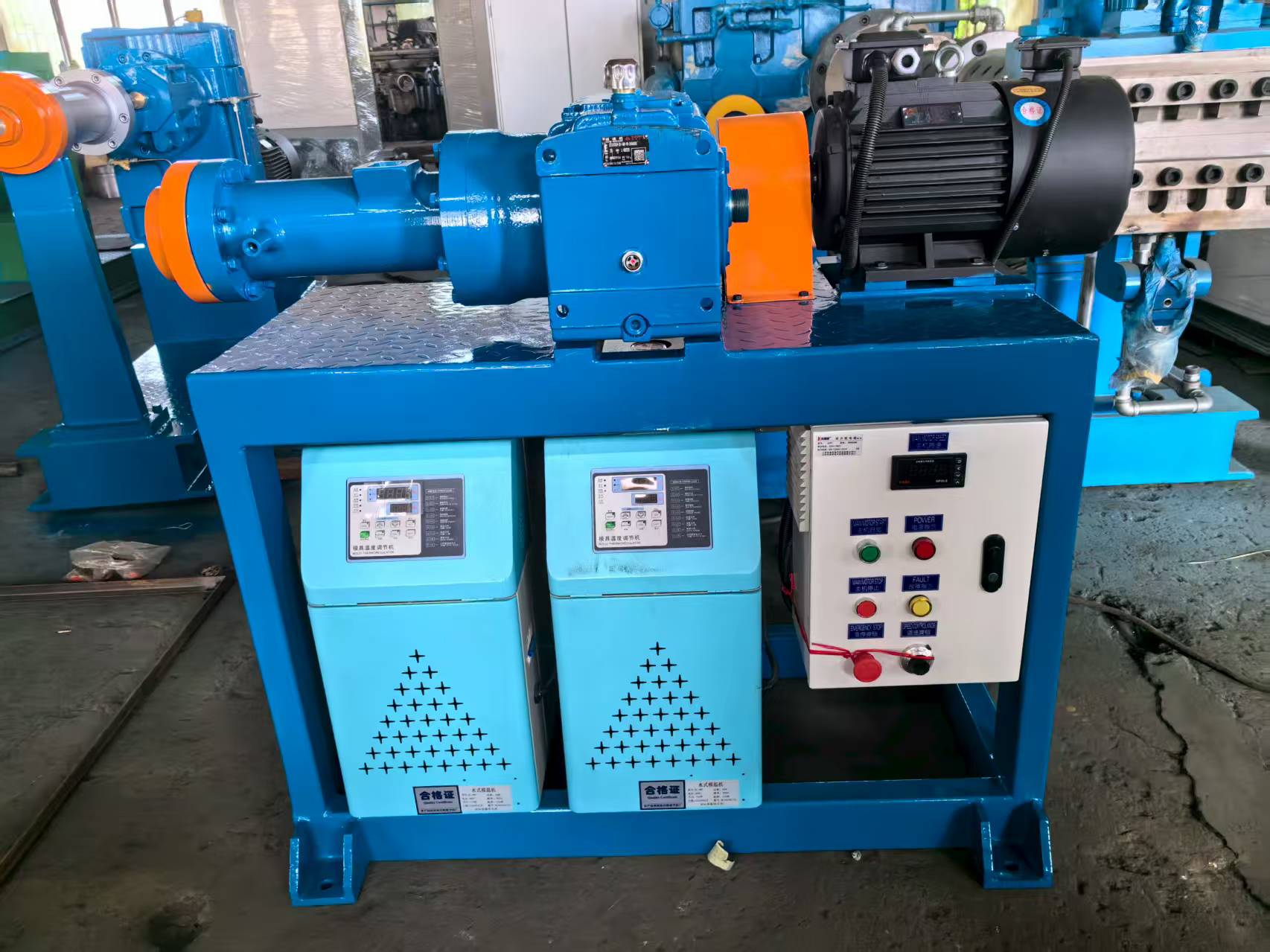
Extruder supply chains rarely match what a supplier’s website or a trade-show brochure suggests. A reliable map starts with harmonized-system shipment data cross-checked against on-site capacity audits at tier-two and tier-three producers—screw and barrel shops in Taizhou, gearbox grinders in Bologna, and motion-control panel builders near Osaka. That combination exposes real lead times and the sub-tier dependencies that guesswork misses.
The next layer is owner-verified throughput, not nominal machine count. Use maintenance logs, energy consumption per kilogram of output, and scrap rates to separate plants that can actually deliver 40,000 flighted elements per quarter from those that only list the capability. Add logistics telemetry from port hubs in Antwerp, Houston, and Busan to see where customs holds or chassis shortages create hidden buffers.
Refresh the map every 60 days with purchase-order-to-invoice cycle data from at least three regions. This makes it possible to pre-qualify alternate extruder component sources before a quality spill or a regional power curtailment, and to compare true landed cost including warranty return loops—not just ex-works price. Over time, the map becomes a working instrument for negotiation and risk transfer, not another static spreadsheet.
What Reliable Exporters Never Leave Out of a Quotation
One of the quickest ways to separate a dependable exporter from an amateur is whether their quotation names the Incoterm and the exact point where risk and cost shift. A proper quote doesn't just say "FOB" or "CIF"; it states the named port or place, clarifies who handles export clearance, and whether insurance is included or optional. The same goes for payment terms—saying "50% deposit, 50% before shipment" is fine, but a serious exporter will also mention bank charges and how quickly the pro forma invoice expires.
Validity dates tend to get overlooked until metal prices or exchange rates move. Reliable exporters put a firm expiry on the offer, often two to four weeks, and sometimes tie raw material surcharges to a specific index. Packaging and loading information also appears up front: export-grade cartons, pallet dimensions, and how many units fit in a 20-foot or 40-foot container. This isn't filler; it's what lets an importer calculate landed cost accurately.
Inspection and lead time are rarely glamorous, but they prevent the worst arguments. A trustworthy quotation will name the inspection standard, say who pays for third-party testing, and state whether partial shipments are allowed. It might read something like "shipment within 30 days after deposit, partial shipment not permitted." If that line is missing, expect delays, extra fees, or a supplier who assumes you already know their factory's quirks.
Spotting Hidden Costs in Cross-Border Extruder Deals
When comparing quotes from overseas extruder suppliers, the sticker price rarely tells the whole story. Freight charges, customs brokerage, port handling, and inland trucking can quietly add fifteen to twenty percent to your landed cost. Some vendors quote FOB terms that leave you responsible for everything after the factory gate, while others bundle shipping but hide the markup in a vague “logistics fee.” Ask for a line-item breakdown of every cost from factory floor to your receiving dock before signing anything.
Another often-overlooked expense is the cost of compliance and retrofitting. A machine built for a foreign market may not meet your local electrical standards, safety codes, or emission requirements without modifications. Transformers, rewiring, PLC reprogramming, and third-party inspections can easily run into the tens of thousands of dollars. If the supplier has no local service partner, you may also need to budget for travel, accommodation, and per-diem for their technicians during installation and troubleshooting—costs that are rarely mentioned in the initial proposal.
Finally, pay attention to currency volatility and payment terms. A quote in a foreign currency can swing significantly between deposit and final payment, especially with long lead times. Some suppliers require full payment before shipment, leaving you with no leverage if the machine arrives damaged or underperforms. Consider using an escrow service or a letter of credit that ties final payment to a successful factory acceptance test. These financial safeguards add a small upfront cost but can prevent much larger losses down the line.
Building a Shortlist of Exporters That Actually Deliver
The fastest way to separate talkers from shippers is to demand proof of recent movement. Bills of lading, packing lists, customs filings—ask for a sample from the last quarter. Legitimate exporters can pull these in a day; those who can't are usually trading on hope.
Before placing a real order, run a structured test. Send a spec sheet with a non-standard detail—custom labeling, a mixed carton count, a specific tolerance. See who reads it and asks questions versus who replies with a generic quotation. The ones who engage are the ones who pack correctly.
Keep the list alive. After the test order, grade each exporter on response time, documentation accuracy, and actual ship date versus promise. Drop any that fail the same way twice, and add replacements from trade shows or referrals. A static shortlist goes stale fast.
Turning Overseas Sourcing Risks into Predictable Steps
Overseas sourcing often feels like a sequence of unknowns—currency swings, supplier shutdowns, customs delays. Instead of treating these as surprises, map them into discrete checkpoints: pre-shipment inspections, dual-source approvals, and buffer stock levels that trigger only when lead times stretch. A simple risk register with an owner and review date turns vague worry into actionable routine.
For each risk, define a threshold and a pre-agreed response. If a supplier's defect rate crosses 2%, you shift a portion of volume to a backup factory for the next quarter. If shipping costs rise above a certain band, you switch to consolidated freight or renegotiate Incoterms. These rules make decisions before pressure arrives.
Over time, the steps become second nature. Procurement teams stop asking "what if" during crises because the answer already exists in a playbook. New team members inherit clear triggers rather than tribal knowledge. The result is not risk elimination—it's risk made boring, predictable, and manageable.
FAQ
Start with the exporter's track record in your specific polymer range. A supplier that mainly handles PVC lines may struggle with high-temperature engineering resins. Ask for client references from the same region and application, not just a generic customer list. Also check how they document process parameters—if they can't share detailed spec sheets before quoting, that's a warning sign.
Request a live video walkthrough of the workshop floor, focusing on assembly areas and testing bays. Ask them to show a machine running at full load and record the screw speed, melt pressure, and temperature readings in real time. Third-party inspection services can also verify dimensional tolerances and surface finish on key components like barrels and gearboxes.
For most international markets, ISO 9001 is the baseline. If you ship to Europe, CE marking on the control panel and safety guards is non-negotiable. Food-grade or medical applications may require FDA-compliant materials for contact parts. Don't just look at the certificate—ask for the latest audit report and check who issued it.
Watch for vague answers about screw and barrel metallurgy—nitrided vs. bimetallic liners make a huge difference in wear life. If an exporter quotes a lead time much shorter than industry norms, they may be skipping proper heat treatment or assembly testing. Another red flag is when the sales contact can't connect you with a technical engineer before payment.
Most established exporters ask for 30% deposit with the proforma invoice and the balance before shipment, often through a letter of credit for larger orders. Avoid paying the full amount upfront. For custom configurations, you might negotiate a staged payment tied to milestone photos or videos of the assembled machine.
Extruders have many wear parts—screws, barrels, heaters, and gearboxes. If the exporter doesn't stock spares or offer remote troubleshooting, a minor breakdown can halt your production for weeks. Ask whether they provide a commissioning engineer for installation, and if they have service partners in your country for faster response.
Instead of chasing the lowest quote, calculate the cost per operating hour. A slightly more expensive machine with a bimetallic barrel and European gearbox might last twice as long as a cheap one. Ask for a breakdown of component brands—motor, PLC, screw material—so you can compare apples to apples across quotes.
The exporter should run a dry cycle test and a material test if possible, recording output rate, melt temperature stability, and motor current. Ask for a signed test report with actual data, not just a checklist. If they hesitate to open the gearbox for inspection or won't allow third-party witnessing, treat that as a risk.
Conclusion
Many extruder buyers get drawn in by polished sales pitches and miss glaring supplier warning signs, such as vague production capacity claims or a lack of verifiable export history. Instead of relying on guesswork or a handful of internet listings, a smarter approach involves mapping the actual global supply chain—tracing where key components originate, who handles final assembly, and which logistics routes are truly reliable. This groundwork reveals the difference between a factory that merely claims to export and one that has consistently shipped extrusion lines across borders without customs chaos or warranty disputes.
Once you narrow the field, a trustworthy exporter’s quotation will spell out more than just the machine price. It should include incoterms, payment milestones, packaging specs, lead time buffers, and clear after-sales support—not a one-line email with a cheap figure. Hidden costs often hide in freight surcharges, import duties, voltage conversion, or on-site installation fees that only surface after the deal is signed. By building a shortlist based on documented delivery performance and third-party inspection reports, you turn overseas sourcing from a gamble into a sequence of predictable, manageable steps. Each risk—currency fluctuation, quality drift, delayed shipment—becomes something you can plan for rather than react to after the fact.
Contact Us
Contact Person: Chen Zhengwei
Email: [email protected]
Tel/WhatsApp: +86-13963975727
Website: https://www.sfcrubbermachine.com