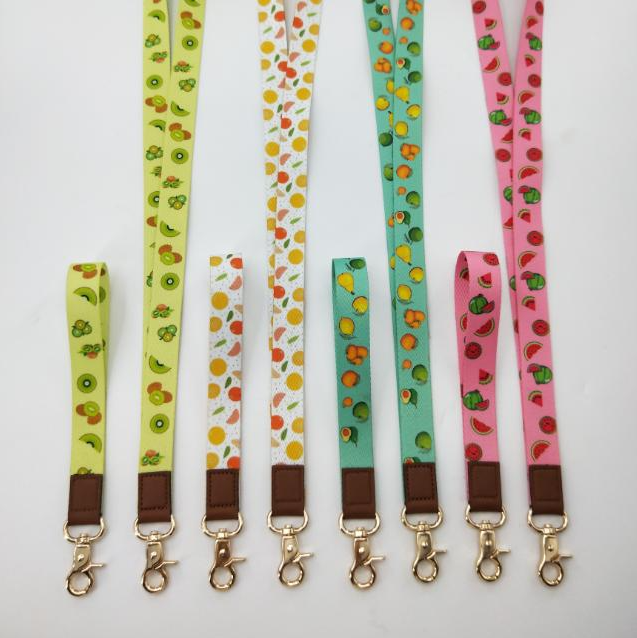

Fashion Lanyard Original Manufacturer Guide for Quality-Focused Brands
2026-11-19
Most lanyard sourcing advice stops at color and clip style. But if your brand lives or dies on tactile details, that's precisely where costly mistakes hide. This guide walks through what quality-focused brands should demand from a fashion lanyard original manufacturer—before samples, before pricing, and before your logo gets stitched into the wrong hands. We'll skip the fluff and focus on material memory, edge finishing, hardware tolerance, and the production questions that separate consistent suppliers from one-batch wonders. Along the way, you'll see why teams serious about repeatable quality keep DONGCHUANG on their shortlist.
Material Choices That Quietly Shape Brand Perception
When a customer picks up a business card printed on thick uncoated stock with a slight tooth, the tactile signal lands before any logo registers. That subtle resistance under the thumb, the way the edge catches rather than slips, creates an impression of deliberation. It is not shouted; it is felt. The choice between a glossy sheet and a matte cotton paper can nudge someone toward “mass-produced” or “considered” without a single word being read.
Small shifts in finish and weight carry disproportionate weight. A soft-touch coating on a box makes a skincare product feel more expensive before the lid is lifted. Embossed type on a menu suggests the kitchen pays attention to details you cannot immediately name. These decisions work below conscious awareness: a slight texture, the dull thud of a heavier card dropping onto a desk, the faint grain of recycled fibre. Together they build a quiet argument for the brand’s standards.
The same logic applies to unglamorous items. A hangtag tied with cotton cord instead of polyester, a mailer that tears cleanly, a paper cup sleeve with a faint linen texture—each tells users the company considered the part they touch. No headline claims craftsmanship. The material simply behaves like the brand means it.
Hardware Details That Separate Premium From Promotional
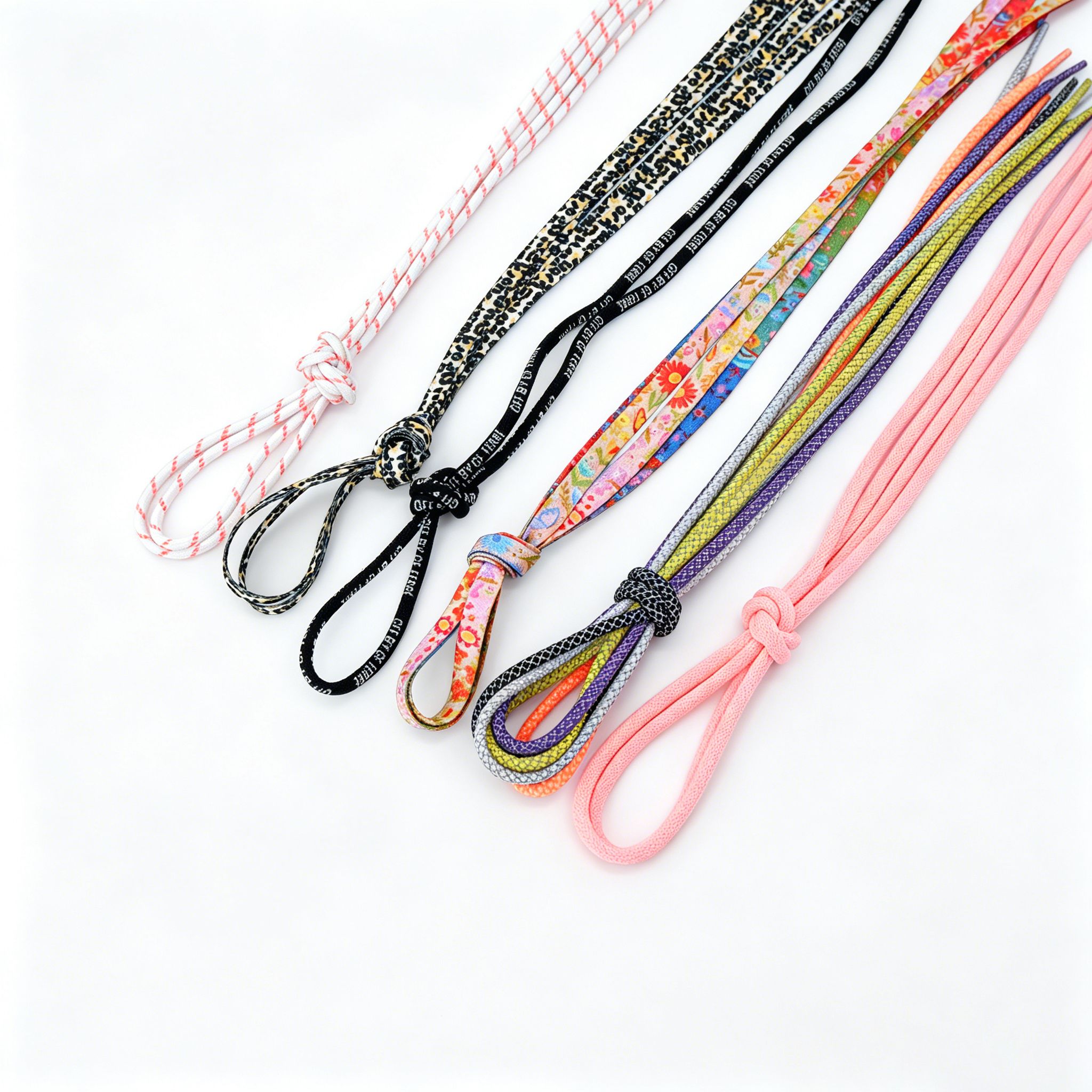
You can usually tell before you press a single button. Premium hardware tends to have a certain weight distribution that makes it sit in the hand without fighting you. The edges are either crisply machined or softly rounded, but they are consistent. Promotional pieces often cut costs in the shell itself: thinner walls, slight flex near the seams, and a finish that looks fine in photos but feels slippery or hollow in person.
Open it up and the differences get even more obvious. Premium designs use metal shielding, proper cable routing, and connectors with enough reinforcement to survive repeated plugging. Promotional versions may look similar on the outside, but inside you will often find snap-in boards, unshielded ribbon cables, and solder points that are just adequate. Those choices show up later as random failures, poor wireless performance, or a port that loosens after a few months.
Small contact points are another giveaway. Buttons on premium hardware tend to have a shorter, firmer travel and a consistent click. The hinge or slider, if there is one, moves with controlled damping instead of snapping loose. Even the feet or rubber pads are usually denser and better seated. None of these details are glamorous, but together they determine whether a device feels like a tool or a giveaway.
Custom Weaving Methods for Sharp Logos and Clean Edges
Sharpness in a woven logo rarely comes from the loom's default settings. It usually requires a custom pickup sequence that shortens float lengths near letter terminals and corner points, so the thread doesn't drift across tight curves. By reducing the distance each yarn travels between interlacings, the face stays flat and the outline holds its intended shape at sizes that would normally turn muddy.
The edge treatment matters just as much as the weave itself. Instead of relying on thick merrow borders or visible bindings, we weave a narrow folded margin that tucks under the patch and locks into the back layer. This keeps the perimeter smooth, resists fraying, and leaves no raised lip around the design.
For fine detail, thread tension and color changes are managed per row rather than per block. A one-thread color break gives a crisp boundary between the logo and its background, while the reverse side keeps the transition tight enough that no stray fibers poke through the front.
Quality Checks That Catch Flaws Before Customers Do
The real value of a quality check shows up when a batch gets pulled after a seal fails under pressure testing. Instead of shipping units and waiting for returns, the line stops, the suspect lot is quarantined, and a technician traces the issue back to a supplier’s material change. That kind of early interception is rarely about expensive equipment; it is about having a clear pass/fail limit and the authority to act before a release deadline overrides caution.
Good catch points blend measurable checks with human judgment. A visual scan for scratches might be paired with a dimension check on the first five pieces of every shift, then again after a tool change. The results are written down in simple terms, not buried in a dashboard nobody opens. When a defect pattern appears, the station can be adjusted within minutes, not after a month of returned orders.
The checks that matter most are the ones tied to how the product actually fails. If a zipper pull snaps when tugged at an angle, that becomes a repeat test. If a paint finish chips near a mounting hole, the inspection step moves closer to that area. Over time, these small adjustments build a barrier between the factory floor and the customer’s first unboxing, so flaws rarely get a chance to become complaints.
Production Timelines Without the Usual Guesswork
Most timeline conversations start with a wild number pulled from thin air, then spend weeks trying to make reality match it. That approach feels productive in a meeting but collapses the moment a supplier changes a lead time or a prototype fails a drop test. A better starting point is to work backward from the handful of events that actually have fixed dates: a trade show booth, a holiday selling window, a compliance deadline. Once those anchors are locked, the gaps between them become the real schedule — and they fill in with known factory outputs, shipping lanes, and test cycles instead of hopeful percentages.
The usual guesswork gets replaced by something closer to range forecasting. Instead of promising a single ship date, you hold two numbers: an earliest credible date and a latest acceptable one. The spread between them is where procurement, engineering, and quality teams negotiate their buffers openly. It feels less satisfying than a crisp one-line promise, but it survives contact with actual vendors and customs holds. Teams learn to speak in terms of critical path moves — which three decisions, if delayed by a week, push everything else. Everything outside that short list is noise.
What makes this work without heavy software is a simple rule: every date on the plan must have a named owner and a named predecessor. No anonymous dependencies, no floating
Building a Factory Relationship That Feels Less Transactional
Most factory relationships stay stuck in quote, PO, and shipment loops. To shift that, start treating a supplier’s production team like an extension of your own planning. Ask what would make their line run smoother before you ask for a discount. Small gestures such as sharing a quarterly forecast early, flagging a design change before it becomes urgent, or remembering the plant manager’s name create a rhythm that is harder to walk away from than a contract.
A less transactional tone also means making it comfortable for the factory to tell you no, or not yet. When a supplier can push back on an unrealistic deadline without fear of losing the order, you get far more useful information. That candor lets you plan around actual capacity, materials, or skill gaps instead of discovering them three days before shipping. In return, give them a reason to say yes: consolidate orders, visit without an agenda once in a while, or pay a small premium for truly urgent work.
The goal is not to become friends, but to build enough mutual memory that the relationship can absorb friction. If every message is a demand, every call is a defect review, and every silence means trouble, the factory will protect itself with margins and excuses. Trade that for short check-ins, informal photos from the floor, and honest post-mortems. Over time, the work stops feeling like a series of purchases and starts feeling like a shared production rhythm.
FAQ
Ask for dated floor footage or a live video tour before committing to samples. The strongest signal is seeing stitching, hardware assembly, and packing handled by one team in one facility. Trading companies tend to stall on this request, while a factory usually shows the line without much delay.
Request the business license and compare the registered address with the production address. Then ask which stages are outsourced. If dyeing, weaving, and attachment assembly all sit with different vendors, the supplier is likely coordinating rather than manufacturing. A genuine original maker can explain the flow from yarn or webbing to finished strap without vague references to partner factories.
Soft woven polyester with a tight weave works well for detailed patterns that need to stay crisp. Woven jacquard from recycled PET offers a smoother hand and richer texture for premium lines. Nylon is better for a glossy finish and high tensile strength, but it can feel slippery. Cotton gives a natural look yet fades quicker, so it suits limited seasonal drops rather than everyday retail wear.
Dye-sublimation onto polyester produces the finest edge for fine text and small brand marks because the ink becomes part of the thread instead of sitting on top. Jacquard weaving can look more premium and dimensional, but very small lettering may lose clarity. Screen printing works for bold single-color graphics, though it tends to crack over time on flexible webbing.
They work from physical Pantone references or a brand-provided dyed swatch rather than guessing from a screen. A reliable factory will create a lab dip and send it for approval before moving to bulk. Some also keep a library of past custom shades, which shortens lead time when a brand revisits a seasonal color. Push for a signed lab dip approval so there is a clear standard for every batch.
Strong suppliers inspect the webbing width, print registration, stitch count, and hardware crimp tension at set intervals during production. They also pull random finished pieces for a stress test on the clip and breakaway joint. The key difference is whether they document those checks and share the records before the cartons leave. A supplier that only checks at final packing often misses issues that started earlier.
Start with a smaller production run even if the unit price is higher, especially for a new silhouette or attachment. Many original manufacturers allow a reduced first order if the design uses stock webbing and standard hardware, while custom-dyed webbing or shaped clips usually require a larger commitment. Use that first run to check real-world durability and hand feel before scaling into full retail packaging.
Conclusion
A lanyard looks like a small accessory until you hold one that feels slightly stiff, shows a fuzzy logo edge, or carries a clasp that chips after two wears. Those details are not accidental. Quality-focused brands tend to treat material selection as a quiet branding decision: a tightly woven polyester with a soft hand can make a retail customer assume the product was sourced with care, while a loose, shiny weave does the opposite. The same applies to hardware. Subtle changes in plating thickness, the shape of a swivel hook, or the way a buckle sits flat against the chest separate a premium piece from something handed out at a trade show. When logos are jacquard-woven rather than printed, the edges stay sharper and the color does not peel, which matters more on a neck strap than people expect.
Behind that finish is a factory process built around catching flaws early. Serious manufacturers inspect yarn tension, trim loose threads, and test clasps before the final count, so the defects never reach a customer's hands. Lead times become less stressful when the supplier gives realistic schedules for sampling, weaving, and QC instead of vague promises. That openness also changes the relationship. Instead of chasing updates, brands can plan around clear checkpoints and even adjust small details before bulk production locks in. The result is a lanyard that feels intentional—not just a branded string, but a small piece of the brand experience that arrives on time and matches the approved sample.
Contact Us
Contact Person: Bill Huang
Email: [email protected]
Tel/WhatsApp: 8613829102720
Website: https://www.dclanyard.com