
FRP Platform Systems: Unveiling the Best Solutions for Modern Infrastructures
2026-03-08
In the ever-evolving landscape of modern engineering, one material stands out for its revolutionary impact on infrastructure development: Fiber Reinforced Polymer (FRP). From bridges and tunnels to industrial facilities, FRP platform systems are redefining durability, efficiency, and sustainability. But with so many solutions available, how do you choose the system that truly meets the demands of today's complex projects? This blog explores the cutting-edge technologies and best practices in FRP platforms, offering insights for engineers, designers, and decision-makers. We dive deep into what makes these systems indispensable for modern infrastructures, and how innovations from leaders like Sino Grating are setting new industry standards. Get ready to discover the future of construction—where strength meets smart design.
Introduction to FRP Platform Systems in Modern Infrastructure
Modern infrastructure increasingly relies on Fiber-Reinforced Polymer (FRP) platform systems to meet demands for durability and efficiency in harsh environments. Unlike traditional materials such as steel or concrete, FRP offers a lightweight, corrosion-resistant alternative that significantly reduces maintenance needs and extends service life.
In industrial settings, these systems excel by integrating seamlessly with chemical plants, water treatment facilities, and offshore platforms. Their non-conductive properties enhance safety in electrical applications, while modular designs allow for quick installation and adaptability to changing operational requirements.
Beyond functionality, FRP platforms contribute to sustainability goals by minimizing environmental impact through reduced material waste and energy consumption. As infrastructure evolves, their innovation continues to drive cost-effective, resilient solutions across sectors.
Key Features and Benefits of FRP Solutions
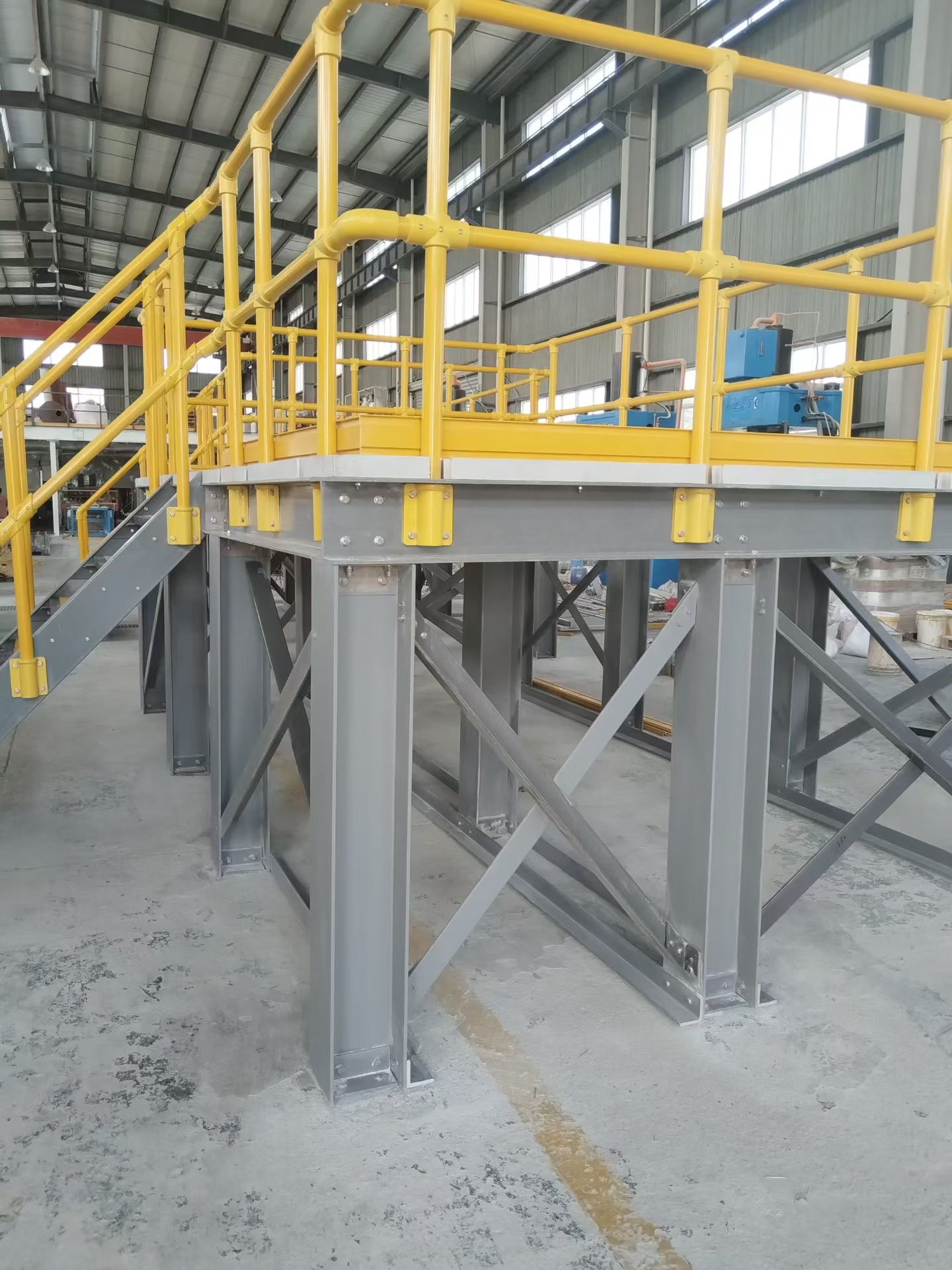
FRP solutions stand out for their exceptional durability and versatility, allowing them to withstand harsh environments from chemical exposure to extreme weather without corroding or weakening. This makes them ideal for industries like construction, marine, and wastewater treatment, where materials face constant stress.
By integrating FRP into projects, users can achieve significant cost savings over time. Their low maintenance requirements reduce long-term expenses, while their lightweight nature speeds up installation and minimizes structural support needs, leading to faster project completions and improved efficiency.
Beyond performance, FRP solutions offer sustainability benefits, being non-conductive, resistant to fire, and often made from recyclable materials, aligning with modern green initiatives. This combination of reliability, economic advantage, and eco-friendliness sets FRP apart as a forward-thinking choice in material engineering.
Innovative Applications Across Industries
In today’s dynamic business landscape, innovative applications are driving significant transformations across a multitude of industries, unlocking new possibilities and enhancing operational efficiencies. From manufacturing and agriculture to financial services and entertainment, these solutions are tailored to address unique challenges and capitalize on emerging opportunities. They often leverage cutting-edge technologies such as data analytics, automation, and smart connectivity to deliver tangible benefits, enabling organizations to stay competitive and responsive in fast-paced markets. The widespread adoption of these applications highlights a shift toward more agile and adaptive approaches, fostering environments where creativity and technology converge to solve real-world problems.
Healthcare, for instance, has seen breakthroughs with applications that streamline patient care through telemedicine platforms and predictive diagnostics, while the retail sector utilizes personalized shopping experiences powered by AI-driven recommendations. In agriculture, precision farming tools help optimize resource use and boost yields, demonstrating how innovation can impact even traditional fields. These cross-industry applications not only improve day-to-day operations but also contribute to broader societal goals like sustainability and accessibility, illustrating the versatile nature of modern technological advancements.
As industries continue to evolve, the role of innovative applications becomes increasingly integral, fostering collaboration and driving forward-thinking strategies. Companies that embrace these tools often gain a distinct edge, enhancing customer engagement and internal workflows. The ongoing development and refinement of such applications promise to reshape industries further, paving the way for a future where technology seamlessly integrates into every aspect of business and life.
Customization and Scalability for Future-Proofing
When building a system, you want it to adapt as your needs grow and change, right? That's where customization and scalability come in. They're not just technical buzzwords—they're your ticket to a solution that won't become outdated the moment your business expands or pivots. Think of it like designing a home with flexible spaces: you can rearrange rooms or add extensions without tearing down the whole structure. By focusing on these aspects from the start, you ensure that the technology supports your long-term vision, rather than limiting it.
Scalability means your system can handle increased loads—more users, more data, more transactions—without a hitch. But it's not just about raw power; it's about smart, efficient growth. Customization lets you tailor features to fit your unique processes, so the tool works for you, not the other way around. Together, they create a resilient foundation that evolves alongside you, saving time and resources in the long run.
In a fast-moving world, future-proofing is about staying agile. By investing in scalable and customizable solutions, you're not just solving today's problems—you're building a framework that can embrace tomorrow's opportunities. It's a proactive approach that minimizes disruptions and maximizes value, ensuring your investment pays off for years to come.
Cost-Effectiveness and Durability in Challenging Environments
In today's demanding operational landscapes, achieving cost-effectiveness without compromising durability is no longer a luxury—it's a necessity. Many solutions promise one or the other, but truly exceptional products or systems excel by blending both seamlessly. This balance means you're not just paying less upfront; you're investing in something that withstands harsh conditions, reducing replacement cycles and maintenance costs over time. Think of it as a smart, long-term strategy that pays dividends when environments push your resources to the limit.
Durability in challenging environments often gets overshadowed by flashy features, yet it's the backbone of genuine savings. Imagine a component that resists corrosion from salty air or extreme temperatures without needing constant care. That resilience translates directly into fewer disruptions and lower operational expenses. It's about choosing materials and designs that last, so you avoid the hidden costs of frequent repairs. This approach not only protects your budget but also ensures reliability when it matters most.
Ultimately, the intersection of cost-effectiveness and durability isn't just about surviving tough conditions—it's about thriving in them. By prioritizing robust construction and efficient performance, you create a sustainable advantage. Whether in construction, manufacturing, or outdoor applications, this synergy leads to products that deliver value without faltering under pressure. It's a straightforward yet powerful way to build trust and achieve more with less, even in the face of adversity.
Implementation Strategies and Best Practices
When diving into implementation, start by clearly defining your project's scope and objectives to avoid scope creep later on. Break down the work into manageable phases, prioritizing high-impact tasks that deliver quick wins and build momentum. Engage stakeholders early and often, using collaborative tools and regular check-ins to ensure alignment and gather feedback that can refine your approach as you progress.
Adopt agile methodologies to enhance flexibility and responsiveness to changing requirements. For example, use iterative development cycles with frequent testing and adjustments, which helps mitigate risks and improve overall quality. Incorporate robust documentation practices, such as maintaining detailed logs of decisions and changes, to support transparency and ease onboarding for new team members.
Focus on continuous improvement by establishing metrics to measure success and conducting regular retrospectives to identify lessons learned. Foster a culture of knowledge sharing through workshops or peer reviews, ensuring that best practices are not just documented but actively applied and evolved based on real-world experiences. Tailor your strategies to the specific context of your organization, avoiding one-size-fits-all solutions to achieve sustainable and effective outcomes.
FAQ
FRP (Fiber Reinforced Polymer) platform systems are lightweight, durable structures made from composite materials, offering corrosion resistance and ease of installation for modernizing aging infrastructure.
FRP platforms often have a higher initial cost than steel or concrete but reduce long-term expenses through minimal maintenance, longer lifespan, and lower lifecycle costs due to their durability in harsh environments.
Industries like oil and gas, chemical processing, water treatment, and maritime sectors gain significant advantages from FRP platforms due to their ability to withstand corrosive substances and extreme weather conditions.
Yes, FRP platforms can be tailored to various shapes, sizes, and load requirements, allowing for modular designs that adapt to complex site layouts and specific safety or accessibility demands.
FRP materials are often recyclable and require less energy to produce than metals, contributing to lower carbon footprints and reducing environmental impact over the infrastructure's lifecycle.
Key considerations include load capacity, corrosion resistance, installation time, compliance with industry standards, and total cost of ownership to ensure optimal performance and value.
Advances such as improved fiber blends and resin formulations increase strength-to-weight ratios and fire resistance, making FRP platforms more robust for demanding applications like seismic zones or high-traffic areas.
Misconceptions like high cost or limited durability can be countered by highlighting long-term savings, real-world case studies, and adherence to strict testing protocols that demonstrate reliability and efficiency.
Conclusion
FRP platform systems represent a transformative solution for modern infrastructure development, offering a versatile and robust alternative to traditional materials. In the introduction, these systems are highlighted as essential components across various sectors, from industrial facilities to public works, due to their lightweight yet durable nature. Key features and benefits include high strength-to-weight ratios, corrosion resistance, and low maintenance requirements, making them ideal for challenging environments. As innovative applications emerge, FRP platforms are increasingly utilized in industries like oil and gas, water treatment, and renewables, where they enhance safety and efficiency. This adaptability stems from their customization and scalability, allowing for tailored designs that future-proof infrastructure by accommodating evolving needs without significant overhauls.
Further driving their adoption are the cost-effectiveness and durability of FRP solutions, which reduce long-term expenses in harsh conditions such as coastal or chemical-exposed areas. Implementation strategies emphasize proper planning, including site assessment, material selection, and integration with existing structures. Best practices involve following industry guidelines and leveraging expert installation to maximize performance and lifespan. By combining these elements, FRP platform systems not only meet current infrastructure demands but also pave the way for sustainable, resilient development, ensuring they stand out as a superior choice in a competitive market.
Contact Us
Contact Person: Nicholas Zhu
Email: [email protected]
Tel/WhatsApp: 18921275456
Website: https://www.sino-grate.com