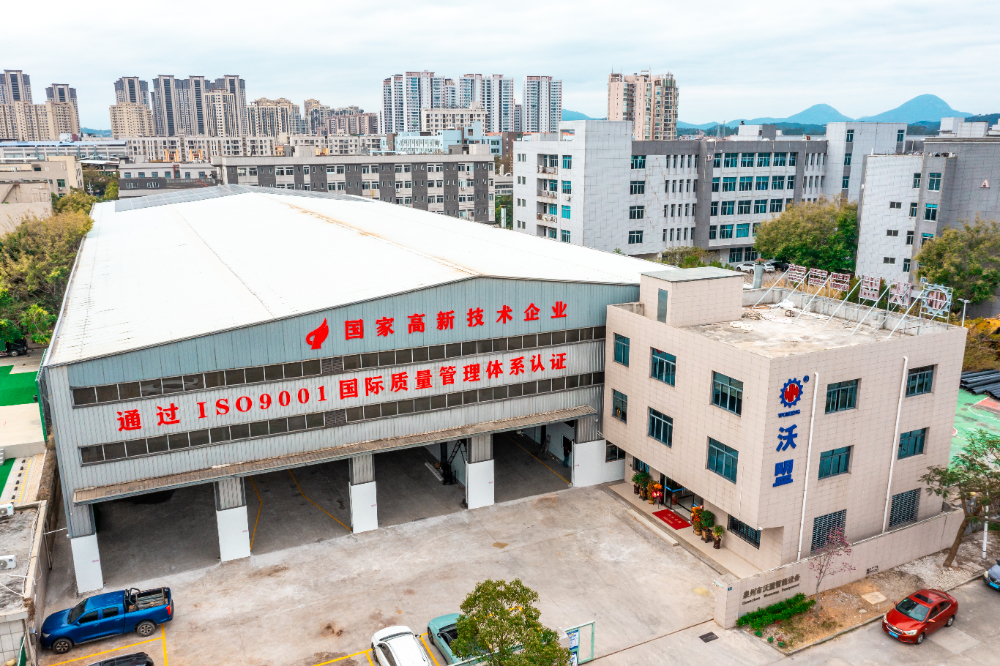

High Efficiency Adult Diaper Machine: Optimizing Production with Advanced Automation
2026-03-26
In today's competitive manufacturing landscape, efficiency isn't just a goal—it's a necessity. When it comes to producing adult diapers, the stakes are even higher, demanding precision, speed, and innovation to meet growing global needs. At Womeng, we've redefined what's possible with our high-efficiency adult diaper machine, integrating advanced automation to push production boundaries. This blog post delves into how our cutting-edge technology optimizes every step of the process, from material handling to final packaging, ensuring superior quality and sustainability. Join us as we explore the transformative impact of automation in this essential industry and discover why Womeng stands at the forefront of this revolution, tailored to drive your success and meet the demands of tomorrow's market.
Revolutionizing Hygiene Product Manufacturing with Automated Systems
The integration of automated systems into hygiene product manufacturing marks a transformative shift, enabling factories to produce items like diapers and sanitary pads with unprecedented precision and speed. By leveraging advanced robotics and intelligent machinery, manufacturers can significantly reduce human error, ensuring consistent quality across millions of units. This automation not only meets the growing demand for hygienic essentials but also allows for more sustainable practices by minimizing waste and optimizing resource use, ultimately benefiting both producers and consumers.
Beyond mere efficiency gains, automated systems introduce a new era of customization and innovation in hygiene products. With data-driven insights, companies can now tailor designs to meet specific consumer needs, such as enhanced comfort or eco-friendly materials, all while maintaining tight production schedules. This adaptability fosters a competitive edge, as manufacturers can quickly respond to market trends without compromising on safety or reliability, reshaping the entire supply chain from raw materials to final delivery.
Moreover, the adoption of automation enhances workplace safety by handling repetitive or hazardous tasks, allowing human workers to focus on oversight and strategic roles. This shift cultivates a more skilled labor force and drives overall industry growth, positioning hygiene product manufacturing as a forward-looking sector that prioritizes both technological advancement and social responsibility, setting new standards for global health and hygiene standards.
Integrating Smart Technology for Enhanced Production Speed
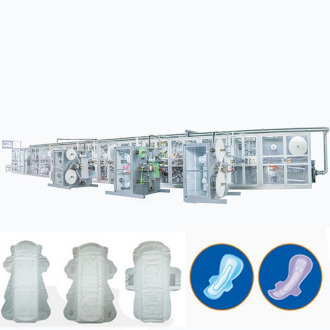
In today's competitive landscape, integrating smart technology into manufacturing and production processes is no longer a luxury but a necessity for businesses aiming to boost production speed. By leveraging advanced systems like IoT sensors and AI-driven analytics, companies can gain real-time insights into every stage of operations. This connectivity allows for immediate adjustments, minimizing downtime and optimizing workflow efficiency, ultimately accelerating output without sacrificing quality.
One standout advantage of smart technology is its ability to anticipate and prevent issues before they cause delays. For instance, predictive maintenance tools analyze machine data to forecast potential breakdowns, scheduling repairs during off-peak hours. This proactive approach keeps production lines running smoothly, reducing unplanned stoppages and ensuring that speed enhancements are sustainable over the long term, giving firms a tangible edge over competitors relying on reactive methods.
Moreover, the integration of smart tech fosters a more agile production environment. With automated systems and robotics handling repetitive tasks, human workers can focus on higher-level strategic activities, fostering innovation. This synergy not only speeds up manufacturing cycles but also enhances adaptability to market changes, making it easier to scale production up or down as needed, which is crucial for responding to fluctuating consumer demands efficiently.
Minimizing Waste through Precision Control Mechanisms
Precision control mechanisms are revolutionizing how industries approach waste reduction by enabling targeted adjustments in real-time. Instead of relying on broad, one-size-fits-all strategies, these systems use sensors, automation, and data analytics to fine-tune processes like material usage, energy consumption, and production rates. For instance, in manufacturing, precise controls can cut down on excess raw materials and defective outputs, while in agriculture, they help optimize water and fertilizer application, reducing runoff and environmental impact. By tailoring actions to specific conditions, businesses achieve not only cost savings but also a smaller ecological footprint, making waste minimization more effective and sustainable.
What sets modern precision control apart is its adaptability across diverse sectors, from logistics to healthcare. In supply chains, predictive algorithms adjust inventory levels based on demand forecasts, minimizing overstocking and spoilage. Meanwhile, in energy management, smart grids dynamically balance supply and usage, curbing unnecessary power generation and emissions. This flexibility allows organizations to address waste at its source, rather than just managing it after the fact, fostering a proactive culture of efficiency. As these technologies evolve, they're becoming more accessible, enabling even small-scale operations to implement sophisticated waste-reduction tactics that were once reserved for large corporations.
Beyond the technical gains, precision control mechanisms drive innovation by encouraging continuous improvement and collaboration. Teams can analyze real-time data to identify bottlenecks or inefficiencies, leading to iterative refinements that further slash waste. This iterative process not only boosts operational performance but also sparks creative solutions, such as closed-loop systems that repurpose by-products. Ultimately, by integrating precision into daily practices, companies move toward a more resilient and circular economy, where minimizing waste becomes a core competitive advantage rather than just a compliance metric.
Improving Product Quality with Real-Time Monitoring
Real-time monitoring is a game-changer for enhancing product quality, as it allows businesses to instantly detect and address issues before they escalate into costly defects or customer complaints. By leveraging sensors, data analytics, and automated alerts, companies can continuously track critical parameters like performance metrics, material integrity, and operational conditions during production. This proactive approach not only minimizes waste and rework but also fosters a culture of precision, ensuring that every unit meets stringent quality standards from the factory floor to the final delivery.
What sets this method apart is its ability to provide actionable insights in the moment, rather than relying on retrospective analysis. Imagine a manufacturing line where temperature fluctuations or machine vibrations are monitored in real time; immediate adjustments can be made to prevent deviations that might compromise product durability. This dynamic oversight empowers teams to fine-tune processes on the fly, leading to consistent output and higher customer satisfaction, all while reducing downtime and operational inefficiencies.
To truly stand out, integrating real-time monitoring with advanced technologies like AI-driven predictive maintenance can transform quality control into a forward-looking strategy. Instead of merely reacting to problems, businesses can anticipate potential failures based on real-time data patterns, allowing for preemptive interventions that keep production smooth and products flawless. This not only elevates brand reputation but also drives innovation, as continuous feedback loops inspire improvements in design and materials, making quality an integral part of the product lifecycle.
Scaling Operations Efficiently with Modular Design
At its core, modular design transforms how businesses approach growth by breaking down complex systems into interchangeable, standalone components. Think of it like building with LEGO blocks: each piece serves a specific function, yet can be reconfigured or replaced without disrupting the entire structure. This flexibility allows companies to adapt swiftly to market changes or customer demands by tweaking individual modules instead of overhauling entire processes. For instance, a software team might develop distinct modules for payment processing, user authentication, and inventory management, enabling rapid updates or feature additions without risking system-wide failures.
Beyond technical efficiency, modularity fosters operational agility by decentralizing decision-making and reducing bottlenecks. Teams can work on separate modules simultaneously, speeding up development cycles and minimizing dependencies. In manufacturing, this might mean sourcing different suppliers for various product parts, allowing for cost-effective scaling without compromising quality. By isolating components, businesses can also conduct targeted testing and improvements, leading to higher reliability and faster time-to-market. It's not just about cutting corners; it's about crafting a resilient architecture that grows seamlessly alongside your ambitions.
Real-world examples abound: consider how cloud services use modular APIs to let businesses plug in new functionalities on-demand, or how automotive manufacturers standardize parts across models to streamline production. This approach isn't limited to tech or physical goods—service industries can apply it by modularizing customer support tiers or project workflows. Ultimately, modular design empowers organizations to scale efficiently by prioritizing adaptability and minimizing waste, turning potential growing pains into strategic advantages that keep competitors on their toes.
Ensuring Safety and Compliance in Automated Processes
In today's rapidly evolving technological landscape, automated processes have become integral across numerous industries, from manufacturing to healthcare. However, the drive for efficiency must be balanced with robust safety and compliance measures to prevent accidents and meet regulatory standards. This involves implementing rigorous protocols that assess risks at every stage, ensuring that machinery and software operate within safe parameters. For instance, in automotive assembly lines, sensors and fail-safes are often integrated to halt operations when anomalies are detected, protecting both workers and equipment.
Compliance goes beyond mere safety checks, encompassing adherence to legal and ethical guidelines that vary by region and sector. Organizations must stay updated with evolving regulations, such as GDPR for data privacy or OSHA standards for workplace safety, to avoid fines and reputational damage. A proactive approach might include regular audits, employee training programs, and transparent documentation practices, fostering a culture of accountability. In industries like finance, automated trading systems must comply with strict rules to prevent market manipulation, highlighting the need for tailored compliance strategies.
Ultimately, ensuring safety and compliance in automated processes is not a one-time task but an ongoing commitment that requires collaboration between engineers, compliance officers, and management. By leveraging advanced technologies like AI for predictive maintenance and blockchain for secure record-keeping, companies can enhance reliability while minimizing human error. Embracing these practices not only safeguards operations but also builds trust with stakeholders, positioning organizations as leaders in responsible innovation.
FAQ
It integrates advanced automation features like robotic handling and real-time monitoring, significantly reducing labor costs and minimizing errors for faster, more reliable output.
Precision sensors and automated adjustments ensure consistent sizing and absorbency, leading to fewer defects and higher standards that meet strict hygiene and comfort requirements.
Yes, it's highly flexible with programmable settings that allow quick changeovers between various designs and sizes, supporting customization without extensive downtime.
It employs energy-efficient motors and smart power management systems, cutting operational costs and reducing environmental impact compared to older models.
Built-in diagnostics and predictive alerts help identify potential issues early, enabling proactive maintenance that prevents breakdowns and extends the machine's lifespan.
Its high throughput and low error rate boost overall profitability, with a return on investment often achieved within a short period due to increased efficiency and reduced waste.
Conclusion
The "High Efficiency Adult Diaper Machine" represents a transformative leap in hygiene product manufacturing, leveraging advanced automation to revolutionize production processes. By integrating smart technology and automated systems, this machine enhances production speed significantly, allowing manufacturers to meet growing demand efficiently. Precision control mechanisms play a crucial role in minimizing waste, ensuring resource optimization and cost-effectiveness. Additionally, real-time monitoring systems contribute to improved product quality, enabling continuous adjustments and reducing defects. This holistic approach not only streamlines operations but also aligns with modern industry standards, fostering innovation in a traditionally labor-intensive sector.
Moreover, the modular design of the diaper machine facilitates efficient scaling of operations, supporting business growth without extensive reconfigurations. This flexibility allows companies to adapt quickly to market changes and expand their production lines as needed. Ensuring safety and compliance in automated processes is a key priority, with built-in features that adhere to regulatory standards and protect both workers and end-users. Overall, this machine exemplifies how cutting-edge automation can optimize production, blending speed, quality, and sustainability to deliver superior adult diapers while maintaining a competitive edge in the hygiene products market.
Contact Us
Contact Person: Jessie Lai
Email: [email protected]
Tel/WhatsApp: 86-188594442931
Website: https://www.wm-machinery.com