

High Quality Solar Pillar Light: Your Guide to Elegant Outdoor Lighting
2026-11-16
Outdoor lighting can make or break your home’s evening curb appeal—yet too many fixtures fade, rust, or drain batteries within months. A high quality solar pillar light changes that, and SRS has become a go-to for homeowners who want durability without compromising on style. In this guide, you’ll discover what separates a truly premium solar pillar light from the rest, and how to pick one that keeps your pathways glowing for years.
What Separates a Premium Solar Pillar Light from the Rest
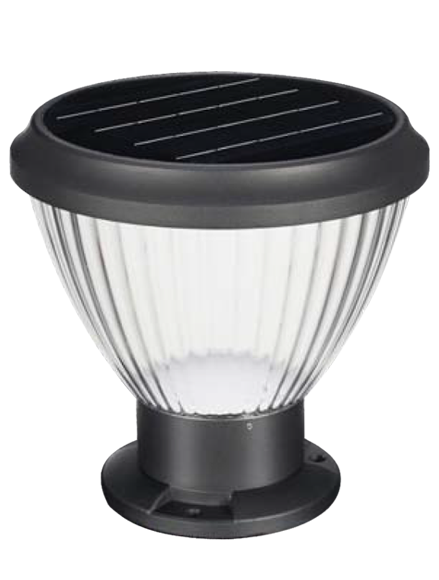
Most solar pillar lights look similar at a glance, but the difference becomes obvious once you touch them. The housing on a genuinely premium model is usually cast aluminum or heavy-gauge stainless steel, not thin painted plastic. The finish is either powder-coated or anodized, so it won't chalk, peel, or fade after one summer. Inside, the light engine matters just as much: a high-CRI LED with a proper reflector or lens throws a clean, even pool of light on the cap or down the post, rather than a fuzzy blob from a bare diode.
Battery and charging behavior separate serious fixtures from toys more than anything else. Premium units tend to use lithium iron phosphate (LiFePO4) cells that tolerate heat and cold without swelling or losing capacity quickly, and they pair those with monocrystalline panels that still harvest usable current on overcast days. A well-tuned driver will also taper output or switch to a lower mode when the battery is low, so the light doesn't simply die at 9 p.m. after a cloudy afternoon.
Finally, the details nobody photographs. Look for sealed seams, real gaskets, stainless hardware, and a rating that actually matches how the light is mounted. If the cap overhangs the base, water should shed away from the battery compartment instead of pooling on it. Premium lights also tend to offer replaceable batteries or at least an access panel, which means you are not throwing the whole thing away when a cell eventually wears out.
Placing Lights for Maximum Visual Impact After Dark
Instead of lining every walkway with identical fixtures, treat darkness as a blank canvas and use light to carve out depth. Aim sources at textured walls or sculptural plants so shadows do half the work. A single well-angled spotlight grazing a stone wall can feel far more dramatic than a row of evenly spaced path lights.
Place fixtures low and keep them hidden where possible. Uplighting a tree from the base draws the eye upward and makes the canopy glow, while a soft wash across a hedge creates a background layer that gives the yard a larger feel. The key is contrast: bright pools next to darker areas guide movement and create a rhythm that feels intentional rather than over-lit.
Before finalizing positions, walk the space after sunset with a portable light and test angles. Move it closer, farther, higher, lower—small shifts can completely change the mood. Once you find a setup that makes the ordinary look a little mysterious, anchor the fixtures and leave the rest to the dark.
Blending Form and Function: Design Choices That Elevate Your Yard
A well-designed yard rarely announces its cleverness. Instead, it folds practical needs into the landscape so seamlessly that you only notice the ease of it. Take the humble garden path: rather than a straight concrete strip, a gently curved gravel route can guide foot traffic away from delicate beds while also drawing your eye toward a shaded bench or a cluster of ornamental grasses. The curve isn't just for looks—it slows the pace, softens runoff, and creates a sense of discovery. The same logic applies to low retaining walls, which can double as casual seating during gatherings or as a raised edge for herbs within arm's reach of the kitchen door.
Material choices matter more than most people expect. A patch of porous pavers under a dining set handles spills and rain without puddling, and its varied texture hides the occasional dropped leaf better than a solid slab. Plant selection can be just as strategic: a row of compact evergreens gives you privacy from the street in winter while anchoring the bed visually year-round, and mixing in deep-rooted native grasses cuts down on watering and provides a soft, moving backdrop for flowering perennials. Even something as small as choosing a bench with a slatted seat means it dries quickly after morning dew—comfort and low upkeep in one decision.
Before adding any new element, ask what else it can do. A fire pit can become the focal point of evening conversations and a reason to use the yard in cooler months. A shade sail over a corner of the patio reduces glare for afternoon reading and protects outdoor cushions from fading. When every choice pulls double duty, the yard stops being a collection of pretty objects and starts working as a whole—welcoming, resilient, and far easier to live with.
Battery Life and Sunlight: Getting the Most from Each Charge
Sunlight is helpful for power until it becomes a heat source. When you're outside, keep the phone out of direct sun while it charges—warm batteries degrade faster and some devices pause charging to protect themselves. If you rely on a solar panel, angle it for good exposure but give the phone or power bank shade; the panel can sit in brightness while the battery stays cooler.
Screen brightness under harsh light is a major drain. Let auto-brightness do its job, but if you need every bit of runtime, lower the display manually and switch to dark mode if your screen supports it. Turn off background app refresh and unused radios like Bluetooth or Wi-Fi when you're moving through areas with no coverage—constant searching burns through a charge quickly.
Charge in shorter bursts rather than always chasing 100 percent. Lithium-ion batteries are happiest between roughly 20 and 80 percent, and a quick top-up in the shade can be more useful than a long hot charge on a dashboard. When you're done outside, let the device cool for a few minutes before plugging it in.
Weatherproofing Secrets for Year-Round Performance
Real weatherproofing is less about chasing a perfect seal and more about managing the places where materials meet. Door thresholds, window corners, and the seam between two different claddings are where water finds a way in. Spend an afternoon with a flexible sealant that can handle expansion and contraction, and you'll stop most leaks before they become damp insulation or warped trim.
The next layer is drainage. Even the best barrier fails if moisture gets trapped behind it. Add small weep gaps at the bottom of vertical panels and keep them free of debris. A breathable underlayment works with you, letting vapor escape while blocking wind-driven rain. That balance keeps walls dry through freeze-thaw cycles and humid summers.
Finally, walk the perimeter twice a year, before the harshest seasons hit. Look for cracked caulk, lifted flashing, or clogged channels. A simple garden hose test can reveal slow drips that don't show up for an hour. Fix those minor paths before heavy rain or snow arrives, and the structure will hold its own without a lot of costly repairs later.
Smart Features That Make Outdoor Lighting Effortless
The real convenience comes from motion sensors that do more than just flip on when something moves. Adjustable sensitivity lets you tune out passing cars and wind-blown branches, while a short delay setting keeps lights from cycling off the moment you stop to unlock the door. It feels less like a sensor and more like the house is paying attention.
Scheduling based on your exact location takes sunset and sunrise into account without any seasonal fiddling. Set your preferred brightness for the evening, then let the system gradually dim toward a nightlight level after midnight. You can override it for a late dinner on the patio with one tap, and it returns to the routine on its own.
A good setup also tells you when something is off. If a bulb is drawing unusual current or a solar panel is shaded by new foliage, you get a specific alert rather than a generic warning. That kind of small feedback loop means you spend less time troubleshooting and more time enjoying the yard after dark.
FAQ
You'll notice the difference in the housing material first. High-quality units use die-cast aluminum or stainless steel with a powder-coated finish, so they don't rust or fade after one season. The solar panel should be monocrystalline, which converts more sunlight into energy than the polycrystalline panels found in budget lights. Inside, a lithium iron phosphate (LiFePO4) battery is a strong sign because it handles temperature swings better than standard lithium-ion or NiMH cells. Also check for an IP65 or IP66 waterproof rating, and don't be afraid to look for brands that offer at least a two-year warranty on the LED and battery.
For a pathway, 100 to 200 lumens per fixture is usually plenty to define the edges without creating glare. If you're lighting a driveway or want more of a security presence, aim for 300 to 500 lumens. Keep in mind that height matters too: a light mounted on a tall pillar will spread its beam over a larger area, so you may want to lean toward the higher end. Spacing also plays a role—closer fixtures let you get away with lower output, while wider gaps need brighter units.
Quality models with an IP65 or IP66 rating are built for year-round exposure, including heavy rain and snow. The main thing to watch is prolonged freezing temperatures, because any battery loses efficiency in extreme cold. If you live in a harsh winter climate, you can leave them out, but brush off snow from the panel occasionally and make sure the battery compartment stays dry. Some people bring them indoors for the worst months, but that's more about preserving battery lifespan than protecting the housing.
Warm white sits around 2700K to 3000K and gives off that soft, inviting glow that works well for garden paths and entryways. Cool white is in the 5000K to 6500K range and looks brighter and more clinical, which can feel harsh against landscaping. For most residential settings, warm white is the safer choice because it flatters brick, stone, and greenery without creating glare. Cool white can work for modern or commercial spaces, but it tends to wash out colors at night.
A good lithium battery in a solar pillar light should last between two and four years, depending on how many charge cycles it goes through and the climate. The key is to pick a model where the battery is user-replaceable, ideally with a common size like an 18650 cell. Some cheaper lights have sealed batteries, which means you're throwing the whole fixture away when it dies. Replacing a battery is usually a five-minute job: unscrew the head, swap the cell, and let it charge in the sun for a full day.
Direct sunlight gives the fastest and fullest charge, but a high-quality monocrystalline panel can still generate power on overcast days—just at a reduced rate. If your pillar sits in partial shade for part of the day, you'll likely still get enough charge for a few hours of light after sunset, but don't expect all-night runtime. Angle the panel so it faces the sun's path, and avoid placing the light under dense tree canopies or roof overhangs.
The biggest mistake is placing a light where a wall, fence, or shrub casts a shadow over the panel during peak sun hours. Another common issue is spacing: too close and you create a runway effect, too far apart and you get dark gaps. Make sure the base is level and secure, especially on soft ground, because a tilted light will both look off and charge poorly. Also check the direction the panel faces—north-facing panels in the northern hemisphere get the least sun, so rotate the head or choose a model with an adjustable panel.
For modern or minimalist homes, look for clean lines, matte black or dark gray finishes, and simple cylindrical or square pillar caps. Traditional or craftsman-style houses pair well with lantern-shaped heads, seeded glass panels, and oil-rubbed bronze or aged copper tones. If your home has Mediterranean or Spanish influences, try a warmer finish like antique brass or a textured hammered metal. The rule of thumb is to match the light's material and silhouette to the existing hardware on your door, gate, or garage.
Conclusion
Premium solar pillar lights stand apart through their build quality and light output—thick aluminum or resin housings, tempered glass lenses, and high-efficiency monocrystalline panels that charge even on overcast days. A well-made unit also casts a clean, shadow-free beam that highlights textures without glare. Placing them along driveways, garden paths, or patio edges creates depth after dark, but the real trick is blending them into your landscape: choose finishes like bronze or matte black that echo existing hardware, or go with a warm 2700K glow to keep the mood inviting rather than harsh.
To get the most from each charge, look for units with lithium iron phosphate batteries and adjustable brightness modes—eco settings can stretch runtimes well past midnight, while motion sensors wake the light only when needed. True weatherproofing means IP65 or higher ratings, silicone-sealed seams, and UV-stabilized materials that won’t yellow or crack after a season. Some models even include replaceable batteries, extending the fixture’s lifespan to a decade or more. Smart touches like dusk-to-dawn photocells, solar tracking, and app-based scheduling remove the guesswork, so your yard stays elegantly lit without you lifting a finger.
Contact Us
Contact Person: kitty
Email: [email protected]
Tel/WhatsApp: +8618676039824
Website: https://www.srssolargroup.com/