

High Strength Steel Soil Foundation Formwork: How to Select the Best Option
2026-07-18
Choosing the right high strength steel soil foundation formwork can make or break your construction timeline and budget. With so many options on the market, it’s easy to feel overwhelmed by technical specs and conflicting advice. Whether you’re tackling a complex infrastructure project or a demanding commercial build, the right formwork system delivers speed, safety, and long-term durability. In this guide, we’ll cut through the noise and show you exactly what to look for—and why top contractors increasingly turn to LugongMachinery for reliable, high-performance solutions tailored to tough jobsite conditions.
What Makes High-Strength Steel Formwork Worth the Investment?
High-strength steel formwork stands out for its ability to handle demanding pours and tight schedules without warping or failing. Unlike traditional timber or aluminum systems, it shrugs off the punishing combination of fresh concrete pressure and vibration, maintaining precise alignment pour after pour. That reliability translates to fewer on-site surprises, less time spent on rework, and a finished structure that actually matches the design specs.
The economics go beyond the initial price tag. A higher-gauge steel panel may cost more upfront, but its reusability is leagues ahead—often surviving hundreds of cycles before needing major refurbishment. When you factor in reduced labor for setup and stripping, minimal waste disposal, and the ability to skip expensive release agents on a well-broken-in face, the lifecycle cost tilts heavily in steel’s favor. For contractors chasing tighter margins, those savings add up fast.
There’s also a less obvious advantage: consistency in concrete finish. A stiff, deflection‐resistant steel face produces a clean, dense surface that often eliminates the need for additional plastering or grinding. In projects where architectural concrete is specified, this alone can justify the switch. Combined with faster cycle times and the confidence that your formwork won’t be the bottleneck, high-strength steel becomes less of a luxury and more of a strategic tool for scaling up operations.
Matching Formwork to Soil Conditions: A Smarter Approach
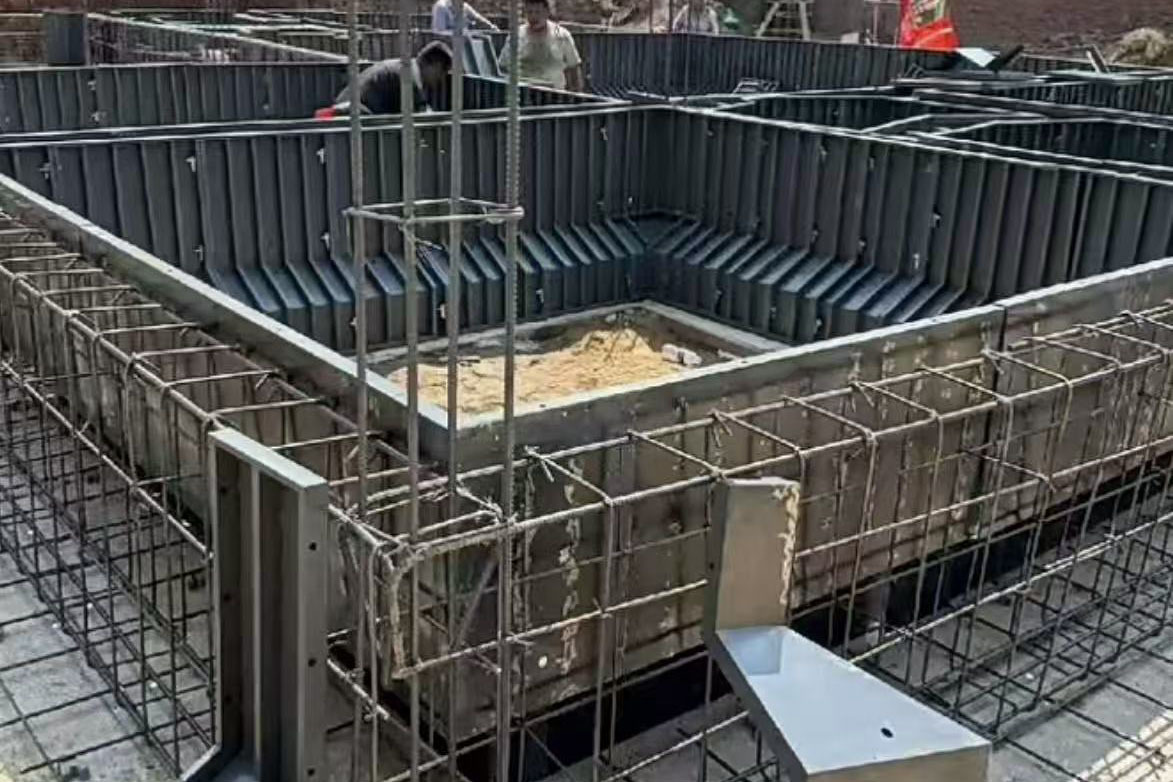
Selecting the right formwork isn’t just about structural loads—it’s deeply tied to the ground beneath. Different soil types, from loose sands to expansive clays, exert varying pressures and movements that can distort or destabilize formwork if ignored. A smarter approach begins with a thorough geotechnical assessment, mapping soil bearing capacity, water table levels, and potential settlement patterns. This data becomes the blueprint for tailoring formwork design, ensuring that shoring and bracing are matched to the actual subsurface conditions rather than relying on generic assumptions.
When formwork is aligned with soil behavior, it’s not just about preventing collapse—it’s about optimizing resources. For instance, in cohesive soils with high bearing capacity, lighter modular systems can be used confidently, reducing material and labor costs. Conversely, in soft or waterlogged ground, heavier-duty shores with wider base plates or even piled foundations may be necessary to distribute loads safely. This nuanced calibration minimizes over-engineering while maintaining safety margins, and it also reduces the risk of delays caused by unexpected ground movement during critical curing phases.
Ultimately, integrating soil intelligence into formwork planning transforms it from a static support system into a dynamic, responsive element of the construction process. It enables proactive adjustments—like altering pour sequences or adding temporary drainage—to accommodate real-time site conditions. This approach not only keeps structures on track but also extends the lifespan of the concrete by mitigating early stress from uneven settling. In an industry where margins are tight and safety is paramount, matching formwork to soil conditions isn’t just smart—it’s essential for building with precision and accountability.
The Hidden Costs You Can’t Ignore When Choosing Steel Formwork
Steel formwork might promise longevity, but the freight bill often arrives like a quiet ambush. Heavy panels eat up cargo space, and oversized loads push permit costs skyward. On tight urban plots, just getting materials to the hoist can mean extra crane hours or street closures—expenses that never made the initial estimate.
Maintenance and repair creep in when you least expect it. Bent corners, concrete crust, and rust from damp storage aren’t free to fix. Each panel needs cleaning, straightening, and sometimes welding after a few cycles, and those man-hours stack up. Without a dedicated yard crew and proper racks, you’ll bleed money through damaged gear long before it reaches its theoretical lifespan.
Then there’s the churn of design adjustments. Steel doesn’t forgive. When dimensions shift mid-project, recutting or shimming panels burns through skilled labour faster than anyone admits. Add in the inventory headache—tracking which panels have been modified, matching bolts to beams—and you’ve got a hidden overhead that quietly drains margins from the back office.
Why Not All Steel Formwork Is Created Equal: Key Features to Compare
Steel formwork systems might look similar on the surface, but the differences run deep enough to impact your entire construction timeline and finished concrete quality. A low-cost panel might save money upfront, yet thin face plates warp under repeated pours, leaving wall imperfections that require expensive remedial work. Similarly, poorly machined connection points create misalignment that accumulates across a large pour, ruining the geometric precision that modern projects demand. It’s the subtle engineering choices—the grade of steel, the stiffener layout, the handle ergonomics—that separate a formwork set that lasts 500 cycles from one that’s retired after a hundred.
One telltale sign of quality lies in how the system manages load transfer and deflection. High-end panels use a balanced combination of hot-rolled sections and strategically welded ribs to distribute concrete pressure evenly, preventing the “belly” effect at joins. The surface treatment matters just as much—a uniform powder coating or baked-on finish isn’t cosmetic; it directly resists concrete adhesion and corrosion. Pay attention to the corner details and accessory integration, too. A well-designed system lets you attach wall ties, work platforms, and alignment jigs without improvisation, while a generic one forces you to weld on brackets or cut gaps on-site, adding labor hours and safety risks.
Durability metrics also hinge on factors that aren’t listed in a catalog spec sheet. Repeated stress on corner gussets and pin holes can lead to metal fatigue if those points haven’t been heat-treated or use a higher-grade alloy. Another overlooked variable is the formwork’s tolerance consistency—panels from the same batch should interchange flawlessly even after months in storage. When comparing systems, it’s worth examining the manufacturer’s track record in projects similar to yours, because real-world performance under vibration, weather, and demanding scheduling reveals what laboratory tests often miss.
How to Test Durability Before You Buy: Practical Tips
Before handing over your cash, get hands-on with the item. Pick it up, turn it over, and pay attention to the weight and balance. Heavy doesn’t always mean durable, but cheap, hollow-feeling plastics rarely survive daily use. Run your fingers along seams and joints—these are often the first points of failure. If something wiggles that shouldn’t, or a zipper snags on its first try, imagine what a month of real-world use will do. Listen for creaks when you apply gentle pressure; silence often hints at thoughtful engineering.
Check materials in the places nobody thinks to look. Flip furniture upside down to inspect the frame or support slats. Unzip a bag’s lining and examine the stitching inside. Look for reinforced corners, double-stitched stress points, and hardware that’s riveted rather than glued. A quick scratch test on a hidden part of a coated surface can reveal how easily it scuffs. If a salesperson gives you a funny look, just remind yourself you’re investing in longevity, not just appearance.
Finally, simulate the rough moments. Open and close a latch five times faster than you normally would. Gently drop a shoe from waist height onto a hard floor—does the sole absorb the impact or does it feel like slapping concrete? With electronics, press all buttons firmly and wiggle the charging cable while it’s plugged in. If the connection cuts out, you’ll know it won’t last. Trust your instincts: if your gut says “this feels fragile,” it probably is.
Future-Proofing Your Foundation Work with Modular Steel Systems
Modular steel systems give you a foundation that bends but never breaks under the pressure of change. Instead of pouring concrete that locks you into a single layout forever, you’re building with components that can be unbolted, relocated, and reassembled to match whatever comes next—a bigger workshop, a new wing, or even a completely different site. That kind of flexibility isn’t just convenient; it’s a strategic buffer against market shifts and evolving operational needs.
The real power is in the details that most project briefs overlook: adjustable column bases, pre-fabricated connection nodes, and finish-ready steel that resists corrosion without relying on field-applied coatings. When your foundation work eliminates wet trades and weather delays, you’re not just speeding up the initial build—you’re building a structure that can be inspected, modified, and expanded with the same ease years later. Time proves most foundations outdated; modular steel ages into a smarter asset.
Too many construction methods treat the ground as a permanent decision. With modular steel, you’re making a series of intelligent, reversible moves. Think of it like mechanical engineering instead of traditional masonry—loads are transferred through a network of interchangeable parts, and every connection is designed for both strength and future disassembly. That’s how you stop pouring concrete for today’s problem and start building a foundation that adapts to tomorrow’s unexpected demands.
FAQ
It's a temporary mold system made from high-grade steel, used to shape and support concrete foundations directly on soil. These are common in construction projects where soil conditions require extra durability and load-bearing capacity, like industrial buildings, bridges, or retaining walls.
Steel offers far greater strength and stiffness, so it can handle higher concrete pressures and rougher site conditions without warping. It lasts longer, often hundreds of uses, whereas wood degrades quickly. Aluminum is lighter but less robust in abrasive soil environments.
You'll want to look at soil type and bearing capacity, the depth and shape of the foundation, required concrete finish, ease of assembly and stripping, and the panel sizes available. Also consider how the formwork ties and braces with the ground conditions.
Yes, proper ground leveling is critical because steel panels are rigid and won't accommodate uneven substrates like wood might. You also need to plan for heavier lifting equipment. Ensure all connections are secure to prevent blowouts, and always follow manufacturer guidelines for bracing and stacking.
While the upfront cost is higher than wood or aluminum, the long service life and reusability can make it more economical over multiple projects. It also reduces the risk of formwork failure and the labor needed for repairs or adjustments, saving time and money.
Many manufacturers offer custom fabrication, so you aren't restricted to standard rectangles. Curved walls, stepped footings, and variable heights are possible, but customization will add to both cost and lead time. It's best to work with a supplier who has engineering support.
Conclusion
Choosing high-strength steel formwork for soil foundation work goes beyond simply picking the strongest panel you can find. The real value lies in how well the system tackles your specific jobsite conditions. Many contractors focus solely on the upfront price tag, but the true worth of these forms becomes obvious when you consider downtime reduction, reusability, and the labor savings from faster assembly. More importantly, matching the formwork to your soil type is what prevents blowouts and misalignments—rigid, heavy-duty frames handle expansive or unstable soils far better than generic options. However, you can’t ignore the hidden costs: transportation of heavier components, the need for specialized connectors on certain soils, and maintenance after exposure to abrasive backfill. These factors add up quickly if you’re not careful.
Not all steel formwork is made the same, and comparing key features is critical. Look at steel grade, weld quality, and corrosion protection—coatings like hot-dip galvanizing extend life dramatically on damp sites. Before you commit to a purchase, run some practical durability tests: check how panels hold up under repeated vibration, load a test section beyond expected pressure, and examine joints for play after a few cycles. Finally, think ahead: modular steel systems let you reconfigure for different foundation sizes without buying entirely new sets, making them a smarter long-term investment. By weighing these aspects together, you’ll select a formwork solution that performs reliably, adapts to changing soil conditions, and keeps your project both on schedule and within budget.
Contact Us
Contact Person: Zhang Zhenlai
Email: [email protected]
Tel/WhatsApp: 8618563210000
Website: https://en.lugongmachinery.com/