

Maximizing Efficiency with Custom Reduction Mills for Flat or Rectangular Wire Applications
2026-02-14
In the world of wire manufacturing, achieving optimal efficiency can feel like an elusive goal, especially when dealing with flat or rectangular wire applications. That's where custom reduction mills step in—transforming raw material into precision-engineered products with remarkable consistency and speed. At GRM, we specialize in designing tailored solutions that not only meet industry demands but also push the boundaries of what's possible. This blog explores how leveraging advanced reduction technology can streamline your operations, reduce waste, and deliver superior results. Dive in to discover the key innovations that set GRM apart and learn how our expertise can elevate your production process.
Understanding the Basics of Custom Reduction Mills
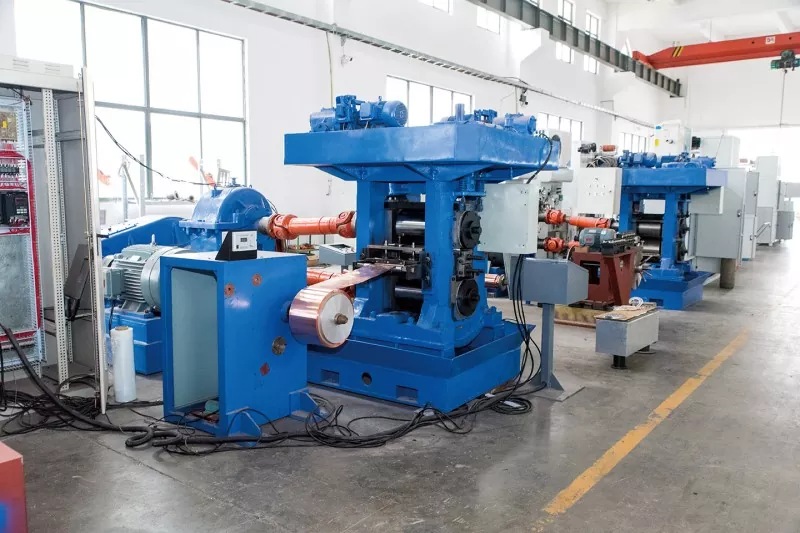
In the world of manufacturing, custom reduction mills play a unique role that often goes unnoticed, yet they're crucial for shaping materials to exact specifications. Unlike off-the-shelf models, these specialized mills are engineered from the ground up to handle specific tasks, such as reducing the thickness of metals or polymers with unparalleled precision. What sets them apart is their tailored design—engineers work closely with clients to consider factors like material hardness, desired finish, and production speed, ensuring the mill performs efficiently under real-world conditions. This hands-on approach not only enhances performance but also extends the equipment's lifespan by addressing wear and tear proactively from the outset.
Delving deeper, the operation of custom reduction mills involves a sophisticated interplay of mechanics and technology. At their core, these mills feature adjustable rollers and drives that can be fine-tuned to achieve micro-level reductions, something generic mills struggle with. For instance, in industries like aerospace or automotive, where tolerances are razor-thin, a custom mill might integrate advanced cooling systems to prevent material distortion during high-speed processing. This adaptability allows manufacturers to tackle complex materials, such as alloys or composites, without compromising on quality—making the investment in customization a strategic move for businesses aiming to stay ahead in competitive markets.
Beyond the technical specs, the real value of custom reduction mills lies in their ability to evolve with production needs. As demands shift toward sustainability and efficiency, these mills can be retrofitted with energy-saving components or digital monitoring systems, reducing waste and downtime. By focusing on long-term usability rather than just immediate output, they foster innovation in processes like recycling or lightweight material development. In essence, grasping the basics means recognizing that custom reduction mills aren't just tools; they're dynamic solutions that empower industries to craft products with greater finesse and foresight.
Key Advantages for Flat and Rectangular Wire Processing
One standout benefit of using flat and rectangular wires is their streamlined integration into compact designs, allowing for greater space efficiency in electronic assemblies. Unlike traditional round wires, these shapes fit snugly onto circuit boards, reducing bulk and enhancing overall product sleekness. This makes them a go-to choice for modern gadgets where every millimeter counts.
Moreover, flat and rectangular wires offer superior electrical performance by minimizing skin effect losses, which can degrade signal quality at higher frequencies. Their broader surface area ensures more stable current flow, leading to improved reliability in power distribution and communication systems. This edge is particularly valuable in applications demanding precision, from automotive sensors to industrial machinery.
Additionally, the processing of these wire shapes often results in easier handling and automated manufacturing, cutting down on production time and costs. Their uniform geometry allows for consistent bending and shaping, reducing waste and enhancing repeatability in high-volume runs. As industries push for faster turnaround and tighter tolerances, this advantage becomes a key driver in adopting flat and rectangular wire solutions.
Design Features That Boost Operational Efficiency
Incorporating design features that enhance operational efficiency isn't just about adding bells and whistles; it's a strategic move that transforms everyday workflows into seamless processes. By focusing on intuitive layouts and clear navigation, these features reduce the time employees spend searching for information or grappling with complex systems. When interfaces are straightforward and interactions are minimal, tasks are completed faster, and errors are less frequent, leading to a more productive and less stressful work environment.
Another key aspect is automation, which can be subtly integrated into design without overwhelming users. For instance, smart forms that auto-populate based on previous entries or predictive tools that suggest next steps can cut down on repetitive tasks. This not only speeds up operations but also frees up team members to focus on higher-value activities that require human insight and creativity, turning routine work into opportunities for innovation.
Ultimately, effective design features for operational efficiency support a culture of continuous improvement. They provide real-time feedback through dashboards and analytics, enabling quick adjustments and fostering a proactive approach to problem-solving. By making efficiency gains visible and measurable, these designs empower organizations to stay agile and responsive in a fast-paced world, ensuring that every interaction contributes to overall success.
Real-World Applications and Industry Examples
In healthcare, AI-powered diagnostic tools like IBM Watson are transforming patient care by analyzing medical images and genetic data to assist doctors in identifying diseases earlier and more accurately. For example, algorithms can detect cancers in radiology scans with precision rivaling human experts, leading to faster treatments and improved outcomes. Hospitals worldwide are adopting such systems, reducing diagnostic errors and personalizing therapies based on individual patient profiles, which showcases AI's tangible impact in saving lives and cutting costs.
Retail giants like Amazon leverage AI to optimize their supply chains and enhance customer experiences through predictive analytics and recommendation engines. By analyzing purchase history and browsing behavior, these systems suggest products tailored to each shopper, boosting sales and loyalty. Moreover, AI-driven logistics manage inventory in real-time, predicting demand spikes and minimizing waste, a key factor in sustaining efficient, large-scale operations that keep consumers satisfied and businesses competitive.
In the automotive sector, self-driving cars from companies like Tesla and Waymo exemplify AI's role in revolutionizing transportation. These vehicles use sensors and machine learning to navigate roads, avoid obstacles, and make split-second decisions, potentially reducing accidents caused by human error. Beyond personal transport, AI applications extend to traffic management systems that analyze patterns to ease congestion and lower emissions, illustrating how industry innovations are paving the way for smarter, safer cities.
Optimizing Performance Through Tailored Configurations
Achieving peak system performance often requires moving beyond default settings. By analyzing specific usage patterns and hardware capabilities, tailored configurations can unlock significant improvements in speed, responsiveness, and resource efficiency, ensuring that your setup isn't just running but excelling.
For instance, in database management, adjusting parameters like cache sizes or query optimization levels based on data volume and access frequency can drastically reduce latency. Similarly, fine-tuning network settings for particular workloads, such as prioritizing bandwidth for critical applications, enhances overall throughput and minimizes bottlenecks that standard configurations might overlook.
Ultimately, this approach transforms generic solutions into precision tools, allowing organizations to maximize their investments by aligning software and hardware with real-world demands. It's a proactive strategy that not only boosts current operations but also adapts seamlessly to evolving needs, fostering a more resilient and high-performing environment.
Future Trends in Wire Reduction Technology
Looking ahead, wire reduction technology is poised to undergo transformative changes driven by sustainability and efficiency demands. Innovations are focusing on developing smart wires with integrated sensors that monitor wear and performance in real-time, enabling predictive maintenance and reducing waste. Additionally, advancements in lightweight materials and eco-friendly coatings aim to minimize environmental impact while maintaining durability, pushing the industry toward greener manufacturing processes.
Another key trend involves the integration of automated systems and artificial intelligence to streamline production. By leveraging machine learning for precise cutting and forming, companies can achieve higher accuracy with minimal material scrap, cutting costs significantly. This automation extends to recycling initiatives, where AI sorts and processes used wires to recover valuable metals more effectively, highlighting a shift toward circular economy models.
In the near future, expect to see more collaborative efforts between research institutions and industry leaders to pioneer cutting-edge methods like 3D printing of wires and biodegradable alternatives. These developments promise not only to reduce raw material consumption but also to open new application areas in fields such as aerospace and medical devices, ensuring wire reduction technology remains adaptable and innovative in a rapidly evolving market landscape.
FAQ
Custom reduction mills offer benefits like enhanced precision in wire shaping, improved efficiency for specific geometries, and potential cost savings through optimized material usage.
They can be tailored to exact specifications, allowing for better control over cross-sectional dimensions and surface finish, whereas standard mills might lack such flexibility.
Industries such as electronics, automotive, and construction often use them for applications where standard wire shapes don't meet design requirements or performance standards.
Key factors include the material properties of the wire, desired output dimensions, production speed, and maintenance needs to ensure long-term reliability.
Yes, by reducing material waste, minimizing downtime for adjustments, and enabling faster processing tailored to specific tasks, they often boost overall productivity.
Challenges like higher initial costs and longer setup times can be mitigated by thorough planning, collaborating with experienced manufacturers, and conducting pilot tests to fine-tune the process.
Conclusion
Custom reduction mills play a crucial role in enhancing efficiency for processing flat or rectangular wires, offering tailored solutions that address specific manufacturing challenges. Understanding the basics of these mills involves recognizing their design for precise material shaping, which transitions seamlessly into key advantages such as improved surface finish and dimensional accuracy. By integrating design features like advanced roll configurations and automated controls, these mills boost operational efficiency significantly. This foundation supports real-world applications across industries like automotive and electronics, where custom mills are essential for producing components with tight tolerances and high performance.
To further optimize performance, tailored configurations allow manufacturers to adjust parameters for specific wire types, ensuring consistent quality and reduced waste. Looking ahead, future trends in wire reduction technology point towards innovations such as AI-driven monitoring and sustainable materials, promising even greater efficiencies and adaptability. Overall, custom reduction mills provide a dynamic approach to flat and rectangular wire applications, combining practical benefits with forward-thinking advancements to maximize productivity and meet evolving industry demands effectively.
Contact Us
Contact Person: Rayna
Email: [email protected]
Tel/WhatsApp: 86 -173 1474 6343
Website: https://www.grmrollingmill.com/