

Nickel Alloy Steel: Why Every Industry Chooses It for Durability and Performance
2026-04-07
In a world where industrial materials face relentless demands for durability and performance, one remarkable solution stands out—Nickel Alloy Steel. From aerospace to automotive, energy to construction, industries worldwide rely on its unparalleled strength and resilience to tackle their toughest challenges. As a leader in advanced material solutions, Jiangsu Baowu New Materials has harnessed the power of nickel alloy steel to revolutionize efficiency and longevity across sectors. Why has this material become the go-to choice for engineers and manufacturers? In this blog, we’ll uncover the secrets behind its success, explore its versatile applications, and reveal how it’s shaping the future of industrial innovation. Join us as we dive into the fascinating world of nickel alloy steel—where durability meets exceptional performance.
Introduction: The Unmatched Strength of Nickel Alloy Steel
Nickel alloy steel stands as a formidable material in the world of engineering, prized for its unparalleled durability and resistance to extreme conditions. By integrating nickel with iron and other elements, this alloy achieves a unique balance of toughness and flexibility, making it indispensable in applications where failure is not an option. From aerospace components that brave the harshness of space to industrial machinery subjected to intense heat and pressure, nickel alloy steel consistently outperforms ordinary steels, ensuring long-term reliability and safety in demanding environments.
What sets nickel alloy steel apart is its ability to maintain structural integrity under stress and corrosion, a feat that few materials can match. The inclusion of nickel enhances its resistance to oxidation and chemical attacks, allowing it to thrive in sectors like marine engineering and chemical processing, where exposure to corrosive agents is constant. This inherent robustness not only extends the lifespan of equipment but also reduces maintenance costs and downtime, making it a smart investment for industries focused on efficiency and sustainability.
Beyond its practical advantages, nickel alloy steel contributes to innovation by enabling the design of lighter, stronger structures. Its superior strength-to-weight ratio has revolutionized fields such as automotive and construction, where reducing weight without compromising safety is crucial. As technology advances, the demand for this versatile material continues to grow, solidifying its role as a cornerstone in modern manufacturing and a testament to human ingenuity in material science.
Applications: Versatile Uses Across Diverse Industries
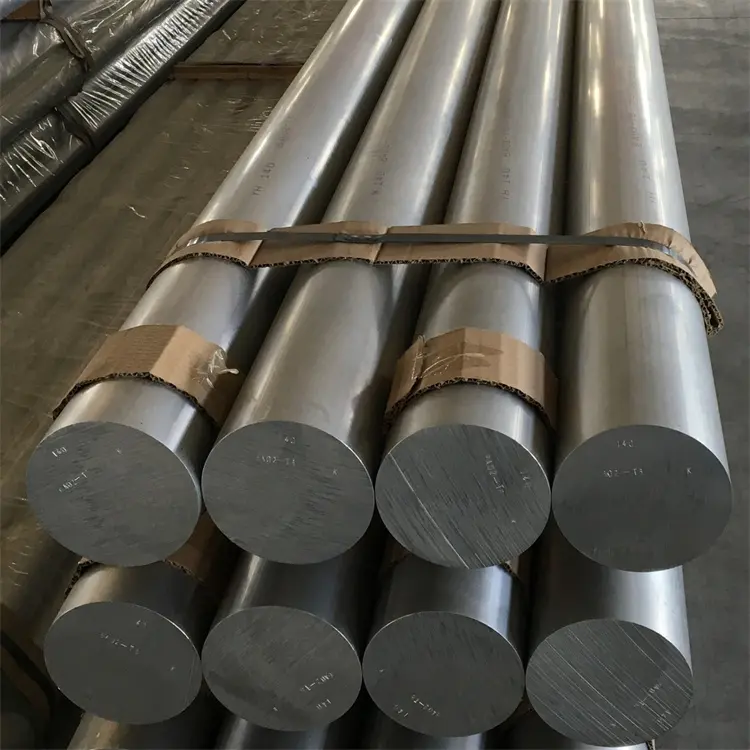
In fields ranging from healthcare to logistics, our solutions adapt seamlessly to meet complex demands. For instance, hospitals leverage them to streamline patient data management, reducing administrative burdens and minimizing errors, while manufacturing plants integrate these tools for real-time quality control on production lines. This adaptability isn't just about fitting in—it's about enhancing efficiency where it matters most, whether that's speeding up delivery times in e-commerce or optimizing crop yields in agriculture through smart sensors and analytics.
Beyond core operations, industries like finance and education benefit from tailored applications that address niche challenges. Banks use our platforms for fraud detection by analyzing transaction patterns, which helps protect customer assets without slowing down services. In educational settings, teachers employ these systems to create personalized learning paths, tracking student progress with intuitive dashboards. What sets this apart is the focus on user-centric design, ensuring that even non-technical staff can navigate complex tasks with ease, fostering innovation across sectors without requiring extensive training.
Looking ahead, emerging areas such as renewable energy and smart cities are tapping into these versatile uses to drive sustainability goals. Wind farms monitor turbine performance remotely, predicting maintenance needs to prevent downtime, while urban planners utilize data-driven insights to manage traffic flow and reduce congestion. By prioritizing scalability and integration, our offerings empower organizations to evolve with changing needs, demonstrating that true versatility lies in supporting growth and transformation across an ever-expanding industrial landscape.
Benefits: Enhanced Durability and Long-Lasting Performance
Experience a product built to withstand the rigors of daily use without compromising on quality. Our materials are carefully selected and engineered to resist wear and tear, ensuring that it remains functional and attractive over time. Whether you're dealing with harsh conditions or simply want reliable performance, this durability means fewer replacements and more confidence in your investment.
With a focus on long-lasting performance, each component is designed for efficiency and stability, reducing the need for frequent maintenance. This not only saves you time and money but also contributes to a more sustainable lifestyle by minimizing waste. You can trust that it will consistently deliver optimal results, year after year, making it a smart choice for both personal and professional settings.
Unlike many alternatives that degrade quickly, our product maintains its integrity through advanced testing and quality control measures. This commitment to endurance translates into a seamless user experience, where you can focus on your tasks without worrying about unexpected breakdowns. Enjoy peace of mind knowing that your device or tool is as resilient as it is effective.
Corrosion Resistance: Defending Against Harsh Environments
In environments where exposure to chemicals, moisture, or extreme temperatures is a constant threat, corrosion resistance becomes more than just a feature—it's a lifeline for equipment and structures. Whether it's offshore platforms battling saltwater spray, industrial plants handling corrosive acids, or automotive parts enduring road salt in winter, the ability to withstand degradation is critical. This isn't just about preventing rust; it involves a comprehensive defense against pitting, galvanic reactions, and stress corrosion cracking that can compromise integrity over time. By integrating advanced materials like stainless steels, specialized coatings, or corrosion inhibitors, systems can maintain functionality and safety, reducing the need for frequent repairs and extending service life in challenging conditions.
What sets effective corrosion resistance apart is often the tailored approach taken for specific threats. For instance, in marine applications, aluminum alloys with protective anodizing are favored for their lightweight durability against salt, while in chemical processing, nickel-based superalloys offer resilience to harsh solvents. Innovations like self-healing coatings that repair minor scratches or smart sensors that monitor corrosion rates in real-time are pushing boundaries, ensuring proactive maintenance rather than reactive fixes. This adaptability means that defending against harsh environments isn't a one-size-fits-all solution but a strategic blend of material science and engineering insights, optimizing performance where it matters most.
Ultimately, prioritizing corrosion resistance translates into tangible benefits beyond mere survival in tough settings. It enhances reliability, minimizing unexpected failures that can lead to costly downtime or safety hazards in sectors like energy, transportation, and infrastructure. By investing in durable solutions, organizations not only protect their assets but also contribute to sustainability by reducing waste from premature replacements. This focus on longevity underscores a deeper commitment to resilience, ensuring that structures and components continue to perform effectively, no matter the environmental challenges they face.
Cost-Effectiveness: Balancing Quality with Economic Value
When we talk about cost-effectiveness, it's really about getting the most bang for your buck without sacrificing what matters most. Think of it as a scale where one side holds quality—the features, durability, and experience that make a product or service stand out—and the other side carries the price tag. Striking that perfect balance means you're not just chasing the cheapest option, nor are you splurging on bells and whistles you don't need. It's a smart way to ensure every dollar spent delivers real value, whether it's in business decisions or personal purchases.
In today's fast-paced world, where budgets are tight and expectations are high, finding this equilibrium can be a game-changer. Imagine choosing a software tool that does exactly what your team needs, without the hefty subscription fees of an over-engineered alternative. Or consider a manufacturing process that uses high-quality materials but optimizes production to keep costs down. By focusing on cost-effectiveness, you're not cutting corners; you're strategically investing where it counts, leading to better outcomes and happier stakeholders in the long run.
Ultimately, cost-effectiveness isn't a one-size-fits-all formula—it's a dynamic approach that adapts to different contexts. For a startup, it might mean bootstrapping with minimal yet effective resources, while for a large corporation, it could involve streamlining operations to boost efficiency. The key is to keep the conversation grounded in practical benefits, making sure that quality isn't compromised and economic value is maximized. This thoughtful balance fosters innovation and sustainability, setting apart those who merely spend from those who truly invest wisely.
Future Trends: Innovations Driving Industry Adoption
The landscape of industry adoption is rapidly transforming, propelled by a wave of innovations that are reshaping how businesses operate and compete. From artificial intelligence to blockchain, these technologies aren't just buzzwords—they're becoming integral to streamlining processes and enhancing efficiency. For example, AI-powered analytics are enabling companies to predict market shifts with unprecedented accuracy, while blockchain is fostering trust in supply chains by ensuring transparency. As industries grapple with digital transformation, the adoption of such cutting-edge tools is no longer optional; it's a strategic imperative for staying relevant in an ever-evolving market.
Another key trend is the rise of sustainable innovations, which are driving industry adoption by aligning with growing consumer and regulatory demands. Technologies like IoT and renewable energy solutions are helping businesses reduce their environmental footprint while boosting operational resilience. This shift isn't just about compliance; it's about creating long-term value by integrating eco-friendly practices into core business models. As a result, industries from manufacturing to retail are increasingly embracing these innovations to not only meet ethical standards but also to drive cost savings and foster brand loyalty.
Looking ahead, the convergence of innovations is set to accelerate industry adoption even further. The interplay between 5G connectivity, edge computing, and immersive technologies like augmented reality is opening new frontiers for real-time collaboration and customer engagement. This fusion allows industries to break down silos and create more agile, responsive ecosystems. By leveraging these synergistic advancements, businesses can unlock novel opportunities, from personalized healthcare solutions to smart city infrastructures, ultimately driving widespread adoption across diverse sectors in the coming years.
FAQ
Nickel alloy steel's widespread adoption stems from its unique ability to merge toughness with corrosion resistance, making it ideal for environments where materials face both mechanical stress and harsh chemical exposure.
Nickel boosts steel's performance at high temperatures by stabilizing its austenitic structure, enhancing creep resistance, and preventing oxidation, which is crucial for components in industries like aerospace and power generation.
It extends equipment lifespans by reducing wear from abrasion and fatigue, while its corrosion-resistant properties minimize degradation from moisture, acids, or salts, leading to fewer replacements and lower maintenance costs.
Its superior resistance to saltwater corrosion and biofouling, combined with high strength-to-weight ratios, makes it the go-to choice for structures like ship hulls and offshore platforms that endure harsh oceanic conditions.
By offering exceptional fracture toughness and fatigue resistance under extreme loads, it ensures structural integrity in bridges, pipelines, and pressure vessels, thereby minimizing failure risks and enhancing public safety.
Its ability to withstand corrosive chemicals, high pressures, and thermal cycling without degrading makes it perfect for reactors, valves, and piping systems that handle aggressive substances.
The material's adaptability allows for custom alloying to meet specific strength, ductility, or temperature requirements, enabling manufacturers to push boundaries in product design and performance across sectors.
Conclusion
Nickel alloy steel stands out as the material of choice across industries due to its exceptional durability and performance. The introduction highlights its unmatched strength, derived from the precise combination of nickel with other elements like chromium and molybdenum, creating a robust metal that withstands extreme stresses and temperatures. This versatility is evident in applications spanning aerospace, automotive, energy, and medical sectors, where it's used in critical components from turbine blades to surgical instruments. Beyond strength, the benefits include enhanced longevity and reliability, reducing maintenance needs and downtime, which directly boosts operational efficiency. Furthermore, its corrosion resistance proves invaluable in harsh environments, such as marine settings or chemical processing plants, where it defends against degradation from moisture, acids, and salt, ensuring structures and equipment remain intact over time.
Looking ahead, future trends point to innovations that will drive even wider adoption, such as advanced manufacturing techniques like 3D printing, which allow for more complex geometries and customized alloys. These developments enhance cost-effectiveness by balancing superior quality with economic value, as the initial investment in nickel alloy steel often pays off through extended lifespans and reduced replacement costs. Industries increasingly prioritize this material not just for its immediate benefits but as a strategic investment in sustainability and resilience, making it a cornerstone of modern engineering. The ongoing evolution in alloy design and processing methods promises even greater performance, solidifying nickel alloy steel's role as a key enabler of durability across diverse fields, from infrastructure to high-tech applications.
Contact Us
Contact Person: Zoe Liang
Email: [email protected]
Tel/WhatsApp: 86 189 2128 6299
Website: https://www.baowuchina.com