
Preserved Flower Gift Box Recommendations for a Lasting Impression
2026-09-28
Some gifts fade the moment they’re unwrapped. Others quietly redefine what it means to be remembered. If you’re searching for the latter, this guide to preserved flower gift boxes—with a few PHLEEYA favorites—will help you make an impression that outlasts the celebration.
Why Preserved Flowers Outlast Ordinary Bouquets
Ordinary bouquets are cut from their roots, so the countdown to wilting starts instantly; petals droop, colors fade, and stems turn slimy within a week unless you fuss over water changes, trimming, and flower food. Preserved flowers go through a different journey: at their peak bloom, the natural sap is replaced with a plant-based glycerin solution that locks in moisture and flexibility. This gentle stabilization keeps each petal soft and vibrant, not brittle like dried flowers.
Because the cellular structure stays intact, preserved arrangements can hold their shape and hue for months or even a year or more with zero watering, no sunlight restrictions, and no cleanup of fallen pollen. Instead of buying a new bouquet every payday and watching it die, you invest once and enjoy the same rich colors through changing seasons—especially useful for spaces where live plants struggle, like low-light offices or allergy-prone homes.
Picking a Box That Matches the Moment
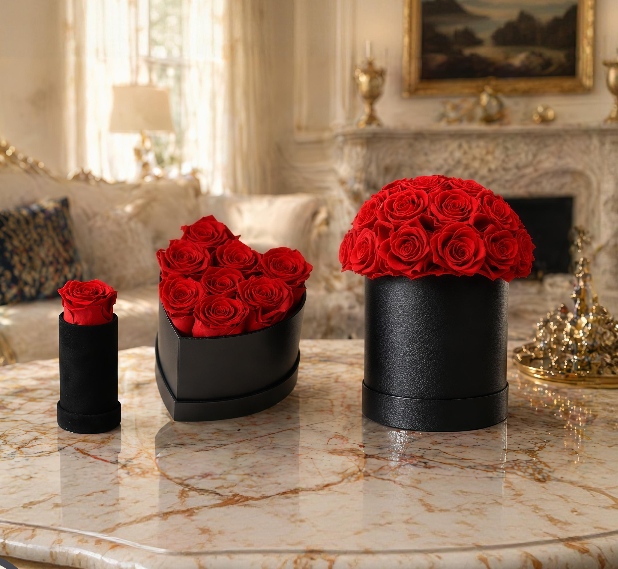
A box is rarely just a container. Before you reach for the first sturdy option on the shelf, pause and consider the occasion. A birthday gift wrapped in a plain brown carton can feel like an afterthought, while a simple thank-you note tucked into a glossy, oversized chest might seem overdone. The shape, material, and even the way a box opens set expectations before the first layer of tissue paper is pulled back.
Think about what the moment asks for. For weddings or anniversaries, soft-close lids and muted, textured finishes tend to feel more graceful than bright colors or busy patterns. For a child's birthday, a box that invites curiosity—perhaps one with a magnetic flap or a printed interior—turns unwrapping into part of the experience. For corporate or client gifts, clean lines and understated branding usually strike the right note without shouting.
Size matters, but not the way most people assume. A box that fits its contents with just enough room for a little padding feels intentional; too much empty space can make a gift look small, and too tight a squeeze risks crumpled corners. When in doubt, choose a slightly deeper box and use the extra height for layered paper or a handwritten note on top. That small adjustment often shifts a package from merely functional to genuinely thoughtful.
From Minimalist to Luxe: Finding Your Style
Style rarely lives in a single box. Many people start with a clean, pared-back aesthetic—neutral tones, simple silhouettes, and an almost monastic restraint. There's comfort in that clarity, but sometimes it starts to feel less like a choice and more like a default. When that quiet minimalism begins to whisper for something more, the journey toward luxe isn't about abandoning everything you know; it's about layering in texture, subtle sheen, or a single statement piece that shifts the entire energy of an outfit.
Finding your place on that spectrum takes honest observation. Notice which minimalist pieces you reach for when you want to feel powerful versus when you want to disappear. Then introduce one element of indulgence—a silk scarf with an unexpected print, a leather bag with visible stitching, or jewelry that catches light without shouting. The goal isn't to replace your foundation, but to let it evolve. Over time, your style becomes a living dialogue: the calm of minimalism on some days, the warmth of luxe on others, and a signature blend that feels entirely yours.
Little Details That Make a Box Feel Personal
A handwritten note tucked beneath the tissue paper does more than fill space—it shifts the unboxing from transaction to conversation. Even a single line like “Picked this because you once mentioned citrus scents” makes the contents feel chosen, not just shipped.
The small extras often carry the most weight: a playlist card with songs that match the recipient’s mood, a polaroid of the packing process, or a wax seal stamped with their initial. These aren’t expensive touches, but they create a pause—a reason to slow down and notice the care.
Personalization also lives in the constraints. Instead of endless options, a curated note explaining why each item made the cut builds trust. When the box reflects an inside joke, a shared memory, or a known preference, it stops being a product delivery and starts feeling like a letter in three dimensions.
Keeping That Just-Opened Look for Months
The moment you peel back the seal on a fresh container, everything feels crisp and untouched. Most products start losing that quality within days—edges dry out, surfaces dull, textures shift. Not here. The seal and inner cap work together to block air and moisture from creeping back in, so the contents stay as vibrant as the day you opened them.
Real life doesn't use things up in one sitting. You might reach for it twice a week, then forget it for a month. That's where the real test happens. After a dozen open-and-close cycles, the closure still snaps tight without extra fuss. No flaking around the rim, no stiff residue, no faded top layer. Just the same smooth, even consistency you got on day one.
It's not magic—just careful attention to the usual failure points. The threading is cut deeper to resist loosening, and the inner lip is flexible enough to re-seat perfectly every time. Months later, when you finally hit the bottom, the last bit looks and feels like the first bit did.
Pairing Preserved Blooms with a Thoughtful Note
Preserved blooms hold their shape and color for months, which makes them an ideal canvas for a handwritten message. Unlike fresh flowers, they won't wilt before the note is read, so you can take your time crafting something personal.
The note itself works best when it's short and specific—mention a shared memory, a small inside joke, or the exact reason you chose that particular flower. Avoid generic phrases; a line like “the lavender reminded me of your kitchen” lands far better than “thinking of you.”
Consider pairing the blooms with a simple kraft paper card or a textured cotton paper, and tuck the note where it peeks out just enough to invite a closer look. The contrast between the dried petals and a few honest words often says more than an elaborate bouquet.
FAQ
They work beautifully for birthdays, anniversaries, new home celebrations, or even as a thoughtful thank-you. Because the flowers stay vibrant for months, the gift keeps reminding the recipient of that moment long after the day has passed.
Look for blooms with rich, even color and petals that feel soft rather than brittle. Good boxes also use sturdy bases and a clear cover that shields the flowers from dust while showcasing them.
Absolutely. Fresh flowers wilt within a week, but preserved ones can hold their shape and color for a year or more with zero watering. You're paying for longevity and a keepsake, not just a fleeting centerpiece.
Boxes with a single statement bloom, like an oversized rose or peony, tend to feel more modern. Mixing textures—such as dried grasses, cotton, or small accent flowers—adds depth without looking cluttered.
Many florists offer choices in flower type, box color, ribbon, and even a small handwritten note tucked inside. Adding a monogram or a favorite color makes it feel far more personal than an off-the-shelf gift.
Keep it out of direct sunlight and away from humid spots like bathrooms. A gentle dust with a soft brush or cool air from a hairdryer on low will keep the petals looking fresh.
Skip arrangements with visible glue residue or faded edges in photos. Read reviews that mention how well the flowers survived shipping, and check if the seller uses a sturdy outer box to prevent crushing.
Yes, they strike a nice balance between elegant and practical. A compact neutral-toned box with a subtle logo-free design feels professional, while the lasting nature of the flowers reflects well on your business relationship.
Conclusion
A preserved flower gift box does more than replace a fresh bouquet—it redefines what a floral gift can mean. Unlike ordinary cut stems that droop within days, these blooms are treated to hold their color, shape, and softness for months, sometimes years. That alone makes them a smart choice for anyone who wants the wow of flowers without the guilt of watching them fade. But the real art is in the picking. A slim, modern box with a single preserved rose suits a new romance or a simple thank-you, while a layered arrangement with dried grasses, cotton stems, and deep burgundy hydrangeas feels right for a milestone anniversary. Minimalist lovers lean toward clean lines and neutral tones—think blush, sand, and sage—while those with bolder taste go for jewel-tone mixes, velvet lining, or even a touch of gold leaf. The box itself matters as much as the blooms: a matte black cube, a round hatbox, or a clear acrylic case changes the whole personality. Small additions like a wax seal, a sprig of eucalyptus, or a hidden drawer for a ring lift the gift from pretty to personal.
Once the box is chosen, a little know-how keeps that just-opened magic alive. Preserved flowers never need water—in fact, moisture is their enemy—so skip the vase and keep them away from steamy bathrooms and direct sunlight. A light dusting with a soft brush or a gentle puff of air now and then is all it takes. That low-maintenance appeal is part of the charm, but the gift truly lands when paired with a thoughtful note. A handwritten card tucked under the lid or slipped into a small envelope on top of the blooms turns a beautiful object into a shared memory. Write something specific: recall the first time you saw that flower, or explain why the color made you think of them. It doesn't have to be long—three sincere lines beat a generic greeting card. The best preserved flower boxes feel like a quiet promise: beauty that stays, a message that resonates, and no pressure to rush to the florist again next week. That's the kind of impression that lingers long after the ribbon is untied.
Contact Us
Contact Person: Mr. Luo
Email: [email protected]
Tel/WhatsApp: 86 18100895505
Website: https://www.feiliyaflowers.com/en/