

RFID Warehouse Management Improves Factory Inventory Tracking
2026-10-17
Keeping track of every component and finished product in a busy factory can feel like chasing shadows. Manual scans and paper logs slow down operations and leave room for costly errors. That's where RFID warehouse management steps in—transforming how factories monitor inventory in real time. In this post, we explore how this technology sharpens accuracy, speeds up workflows, and gives teams the visibility they've been missing, with insights from OSRFID along the way.
Why 'Somewhere in the Back' No Longer Works for Factory Inventory
For years, factory managers treated inventory like a junk drawer: toss it somewhere in the back, and as long as someone remembers the general area, it's fine. That mindset made sense when production lines ran on fixed schedules and a missing part could be replaced during a slow afternoon. Today, a single misplaced reel of connectors or a forgotten pallet of castings doesn't just cause a minor delay—it cascades into missed shipments, overtime labor, and customers who start looking elsewhere.
The problem isn't laziness; it's that "somewhere in the back" has no coordinates. When a work order calls for 200 units of a specific component, the system shows 180 on hand because 20 are sitting on a shelf behind a stack of empty boxes. Workers waste half their shift hunting for items that were never logged into a location. Meanwhile, purchasing sees the low system count, places a rush order, and now you've got double the inventory and half the space. The back area becomes a black hole that swallows time and money.
Modern factories don't need a bigger back room—they need an end to the phrase itself. Every bin, rack, and floor position has to have a digital address, updated the moment something moves. Handheld scanners, simple barcode labels, or even a shared spreadsheet with strict rules can replace the old "I think it's over there" system. The goal isn't just tidiness; it's making the inventory visible enough that a new hire can find a part in under two minutes without asking a veteran. Once you stop relying on memory, the back area stops being a liability and starts functioning as part of the production flow.
RFID Reads a Whole Shelf in Seconds—No More Squinting at Barcodes
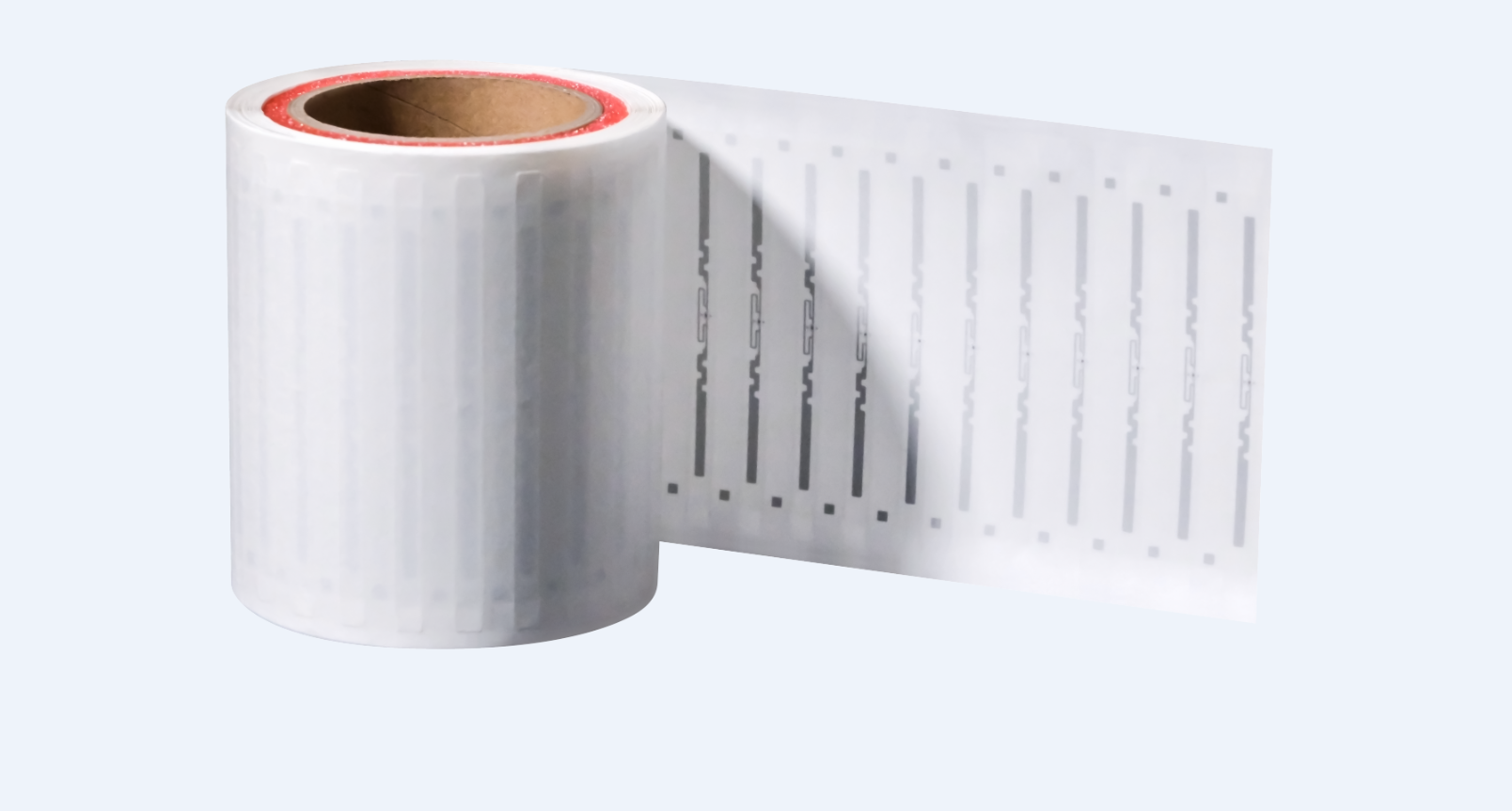
The old way of checking inventory meant leaning in close, tilting items just right, and hoping the red laser caught that tiny strip of lines. Miss one angle and you’d be stuck rescanning the same box three times. RFID flips that entire process upside down. A single reader can sweep across a packed shelf and pull every tag’s ID in a blink—no line of sight, no perfect positioning. It’s like the difference between dialing each number on a rotary phone and just tapping a contact on your screen.
What makes it work is the radio wave magic happening behind the scenes. Each RFID tag carries a tiny chip that answers back when a reader sends out a signal. Since those signals pass through cardboard, plastic, and even some metals, you can bury a tagged item behind ten others and still get an accurate read. That’s why a shelf that once took fifteen minutes of squatting and squinting now takes about two seconds. The reader doesn’t care if labels are upside down, faded, or covered in dust.
Retailers and warehouses aren’t adopting this just for speed. Fewer manual scans mean fewer data entry mistakes, fewer missed items during audits, and staff who can actually spend their shift helping customers instead of fighting with barcode angles. One person with a handheld RFID wand can clear a whole aisle while a barcode scanner would still be on the third shelf. The technology quietly removes the friction that nobody liked anyway—because nobody got into retail to squint at tiny lines all day.
Cutting Inventory Errors Without Adding Headcount: The RFID Effect
Most stockrooms still lean on manual barcode scans, which work fine until someone reaches for the wrong shelf or keys in a quantity from memory. RFID shifts that burden: a handheld or fixed reader sweeps entire bays in seconds and captures dozens of tags without a direct line of sight. The result isn't just speed—it's a sharp drop in mispicks and cycle count misses because the system records what's actually there, not what an operator thinks they saw.
That accuracy shows up where it hurts most: discrepancies between the warehouse management system and physical shelves. With a quick RFID pass, teams can run counts more often without pulling people off receiving or picking. Errors tied to data entry, duplicate scans, and overlooked locations get squeezed out at the source, which means fewer rushed corrections at month-end and fewer stockouts caused by phantom inventory.
For operations already stretched thin, the payoff is practical rather than magical. One associate can audit a section that used to swallow an entire shift, and the same reader that flags a misplaced carton can feed location data back into the WMS. No new hires, no extra overtime—just cleaner counts and a smaller gap between what the system promises and what the floor can actually deliver.
When Every Raw Material and Finished Good Has a Digital Shadow
A coil of aluminum now carries more than a mill certificate. It carries a rolling history: the bauxite lot, the smelter heat number, the gauge readings from the cold mill, the humidity inside the warehouse while it waited. That history updates as the material moves, gets cut, gets stamped, gets assembled. What used to be a paper trail becomes a live shadow that follows the metal into a car door or a heat exchanger.
Finished goods inherit the same habit. A pump doesn't just leave the factory with a serial number; it leaves with the shadow of every seal, bearing, and casting inside it, along with the torque settings from assembly and the vibration signature from its first test run. When a warranty claim appears three years later, the shadow shows exactly which supplier lot matched which production shift, turning a week of guesswork into an afternoon of narrowing down. The recall boundary shrinks from a whole quarter of output to a defined batch.
The awkward part is that digital shadows reveal more than location. They expose idle time, unplanned rework, and the cost of holding safety stock nobody trusts. That visibility changes supplier conversations from negotiated blame to shared evidence. It also forces designers and buyers to stop treating raw material as a commodity and start treating it as a stream of decisions that arrive with the goods.
From Receiving to Shipping: One RFID Tag Closes the Tracking Gaps
Most warehouses still run on a patchwork of barcode scans and manual entries. A pallet arrives, gets checked in at a dock door, then disappears from the system until someone remembers to scan it again. Between receiving, putaway, picking, and shipping, there are dozens of moments where a tag can be missed or misread. One RFID tag attached at the very first touchpoint changes that. It doesn't need line-of-sight or a perfectly angled scanner, so the reads happen automatically as the item moves through each zone.
The difference shows up most clearly at the shipping dock. Instead of a last-minute scramble to verify that every carton is on the right truck, the RFID reader simply confirms what is already known. The same tag that was logged at receiving has been quietly updating location and status all along. If a carton took a wrong turn or never made it to the staging lane, the gap appears immediately rather than after the truck has left.
This doesn't require ripping out the existing warehouse management system. The RFID layer sits on top, feeding real-time events into the same screens people already use. The result is less searching, fewer error corrections, and a clean chain of custody from the moment a load arrives until it rolls out the bay.
Fewer Stockouts, Tighter Counts: What RFID Actually Changes on the Floor
RFID shifts the floor from periodic guesswork to continuous signal. Instead of counting shelves twice a year and hoping the gap between system numbers and actual units stays small, staff get handheld readers that sweep a bay in seconds and flag every missing size or color before the morning rush. That means the black medium sweater that always sells out by noon can be restocked from the back before the first customer asks for it.
Cycle counts stop being a full-day project. A single associate can walk the perimeter with a reader and reconcile thousands of tags in under an hour, catching misplaced items and shrinkage hot spots as they go. The result isn't just a cleaner back room; it's a floor where the inventory number on the screen matches what a shopper can actually touch, so buy-online-pickup-in-store orders don't collapse at the last minute.
FAQ
Instead of shutting down aisles for a manual count, a worker can walk through with a handheld reader and capture hundreds of tag reads in a few minutes. The system flags any missing or misplaced pallets right away, so the count becomes a routine check rather than a major disruption.
Barcodes need a direct line of sight and clean labels, which is not always possible when boxes are stacked or covered in dust. RFID tags can be read through packaging and from several feet away, so a pallet buried behind others still gets recorded as it moves toward the production line.
Yes, because the system can timestamp every movement through dock doors and staging areas. If a batch of components hasn't moved in days, the warehouse team gets an alert and can either reroute it to an active work order or return it to the supplier before it becomes dead stock.
They can see live locations of bins, totes, and high-value tooling without calling the warehouse office. A dashboard shows which materials are at receiving, which are in quality hold, and which are already on the assembly floor, so decisions happen on the spot instead of waiting for end-of-day reports.
It takes some planning, but it doesn't require replacing the entire warehouse management software. Many plants start with RFID portals at receiving and shipping doors, then gradually tag high-value or fast-moving items. The data flows into the same inventory database, just with more frequent and accurate updates.
When a line-side bin drops below a set quantity, the RFID reader at the station detects the low level and automatically triggers a replenishment task. This cuts down on the old practice of a line worker calling the warehouse or waiting for a scheduled delivery that might be too late.
There will likely be some tag placement adjustments and reader tuning, especially around metal racks or liquid containers that can interfere with signals. Teams should run a pilot in one area first, check read accuracy, then expand. After that initial tuning, daily tracking tends to become much smoother.
Most handheld readers work like a smartphone with a trigger button, so the learning curve is short. The bigger change is understanding the new data screens and exception alerts. A half-day session plus a week of shadowing an experienced operator is usually enough for most floor roles.
Conclusion
For years, factory inventory has leaned on the phrase 'somewhere in the back'—a shorthand for materials that exist but cannot be located quickly. RFID warehouse management makes that phrase obsolete. A passive UHF tag on a shelf can be read from several feet away, so an entire rack of components is counted in seconds without anyone squinting at a barcode or keying in a serial number. Each raw material and finished good acquires a digital shadow that updates as it moves through receiving, storage, and production. The effect on headcount is striking: the same team that once spent hours reconciling paper counts can now handle a larger volume with fewer errors, because the data capture happens automatically and continuously.
From receiving to shipping, one RFID tag closes the gaps that barcodes leave open. A pallet arriving at the dock is logged in bulk, not box by box. When a bin moves to the line, its new location appears in the system without a manual scan. Finished goods leaving the warehouse are verified as a group, so outbound mistakes drop sharply. On the floor, this translates into fewer stockouts because reorder points reflect actual usage instead of lagging paper counts, and tighter cycle counts because a full inventory can be taken daily without halting production. What RFID actually changes is the rhythm of the day: supervisors stop hunting for missing parts and start acting on live, trustworthy numbers.
Contact Us
Contact Person: Esme Mo
Email: [email protected]
Tel/WhatsApp: 0086 191 2931 7837
Website: https://www.osrfidglobal.com/