

Second Hand Loaders Manufacturer Insights: Finding Reliable Used Equipment
2026-06-10
Finding reliable used loaders is no small feat—especially when you need equipment that balances cost, condition, and performance. When sourcing from second hand loaders manufacturer channels, it pays to look beyond the surface. At JILIANG CHI, we've seen how a trustworthy supplier transforms uncertainty into a smart investment. Let's cut through the clutter and uncover what truly matters when vetting used machinery.
Key Indicators of a Well-Maintained Used Loader
A loader’s paint job can tell you plenty. Faded, scratched, or worn-through paint in high-contact areas—like around the bucket linkage or operator cab steps—is actually a good sign; it means the machine’s been put to work. Fresh, heavy coats of paint over the entire unit, on the other hand, might be covering up cracks, welds, or corrosion. Run your hand along the frame rails, boom arms, and cross members. Rough patches, bubbling, or misfit panels hint at past damage or quick repairs. Solid welds taper cleanly into the metal without slag or splatter, so pay attention to factory seams versus add-on fixes.
Get the engine up to temperature and listen. A well-cared-for loader shouldn’t knock, rattle, or blow smoke beyond a brief puff at startup. Dip the oil and transmission fluid—dark, burnt-smelling liquids scream neglect. Then cycle the boom, bucket, and steering. Movement should be smooth and predictable, without jerks or lag. If the hydraulics whine under load or you spot fresh drips around cylinders and hoses, budget for more than just fluids. Finally, ask the seller to load a pile of material. Choppy motions or an engine that struggles under strain often point to pump wear or power loss that a casual walk-around misses.
Numbers and paperwork round out the picture. A meticulously kept service log, even if it’s just a notebook with dates and filter part numbers, beats a spotless digital printout that lists nothing between major intervals. Look for consistent oil changes every 250 hours, along with axle and transmission care. Hour meters can be rolled back, so compare the displayed reading to the wear on pedal pads, seat fabric, and bucket cutting edge. A loader with 5,000 genuine work hours often feels tighter and more responsive than a groomed meter at 2,000. Trust what the controls and grease points tell you over any dashboard figure.
Decoding Manufacturer Specs: Matching Model to Job Demands
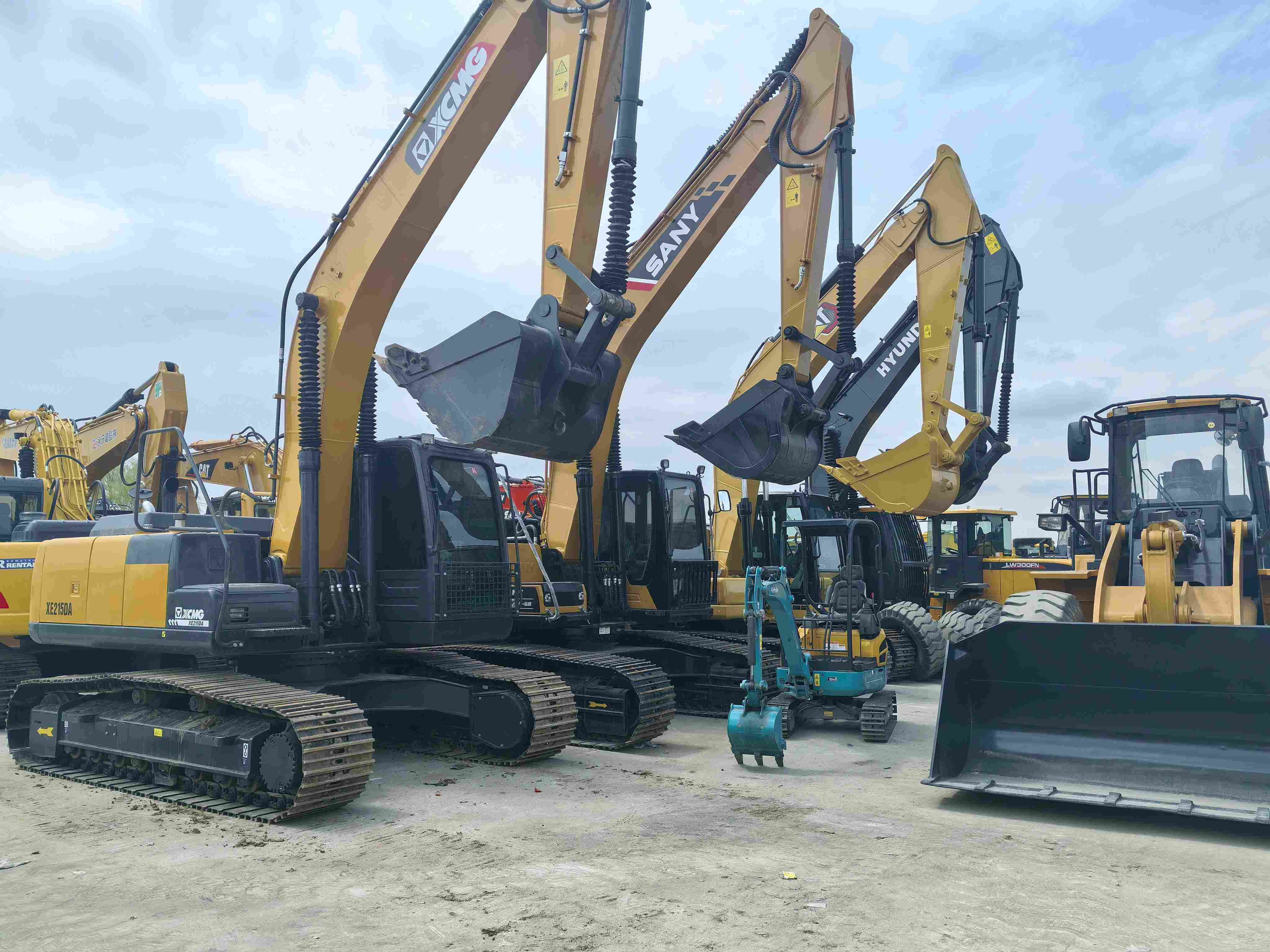
Manufacturer spec sheets often read like a maze of numbers and jargon, but buried in there are the real clues about how a machine will behave under actual working conditions. The rated horsepower might grab attention, yet it's the torque curve that tells you whether it can handle a sudden load spike without stalling. Ignore the glossy one-page summaries; the detailed engineering notes and performance graphs are where you find the truth about thermal limits, duty cycles, and long-term durability.
Matching a model to your daily demands means looking past peak figures and focusing on what the equipment will face hour after hour. A motor that delivers 50 kW continuously for 20 minutes might be far less useful than one rated at 40 kW with a 100% duty cycle, especially if your workflow doesn't allow for cool-down periods. Environmental factors like dust, humidity, and altitude also shift how specs translate to output—a generator that purrs at sea level could choke in the mountains unless you adjust your expectations.
Getting this right is less about finding the “best” on paper and more about avoiding costly mismatches. A piece of gear with too much capacity can suck up power and space you don't need, while an undersized one breaks down right when you're up against a deadline. The real skill is in reading between the lines of the data sheets and asking: what will this thing do at 3 a.m. on a Tuesday, under load, when nobody is around to baby it?
Hidden Costs in Second-Hand Purchases: Beyond the Price Tag
Scoring a deal on a used item can feel like a win—until you realize the true cost goes well beyond the sticker price. That vintage armchair might need reupholstering within months, or the budget smartphone could eat up your savings in battery replacements and cracked-screen fixes. Often, what seems like a bargain quietly demands a steady drip of repairs, cleaning, or missing parts that the listing conveniently left out.
Then there’s the less obvious drain: your time. Tracking down a specific model, messaging back and forth with sellers, and trekking across town to find the item isn’t quite as described adds up fast. Unlike buying new, you’re the one doing quality control—and if something goes wrong, returns aren’t always an option. That effort rarely makes it into the price comparison, yet it chips away at the appeal of second-hand.
Over the long haul, the absence of a warranty or customer support can be the priciest hidden factor. A used laptop that dies after three months with no recourse, or a kitchen gadget that sparks an electrician’s bill, can turn a “good deal” into a financial headache. When you do the math with these extras, a new purchase sometimes ends up costing less in peace of mind and actual cash outlay.
Inspection Tactics That Reveal True Machine History
A freshly cleaned machine can easily mislead. Beneath the gleaming exterior, subtle clues often go unnoticed. Pay attention to wear patterns on moving parts—uneven polishing on rails or a slight discoloration on hydraulic fittings can reveal how hard the equipment was actually run. Don't just trust the hour meter; those can be swapped or reset.
Look deeper than the obvious. Original paint overspray, mismatched bolts, or recent weld repairs are red flags that someone might be hiding a past failure. Check for alignment issues by running the machine briefly and feeling for vibrations that shouldn't be there. Even the smell of overheated oil can hint at chronic neglect.
Plug into the machine's brain if possible. Modern equipment stores error codes and usage logs that tell a story no seller would volunteer. A high number of over-temp events or repeated sensor faults point to a machine that lived in a tough environment, regardless of how clean it looks today.
The Art of Negotiating with Sellers: Balancing Risk and Reward
Mastering seller negotiations is a delicate dance of understanding what drives the person across the table. Every seller has unique motivations—whether it's a pressing need for quick cash, a deep emotional attachment to their property, or a strategic exit from a market. Your job is to read between the lines of their asking price, listen for hidden clues during conversations, and structure an offer that addresses their unspoken priorities. This initial phase is about gathering intelligence, not just numbers. Ask open-ended questions about their timeline, future plans, and any flexibility they might have. The more you uncover, the better positioned you are to craft a proposal that feels like a win for them while safeguarding your own capital.
Risk and reward are never static in a deal—they shift with every term you negotiate. A lower purchase price might come with the seller demanding a lightning-fast closing, requiring you to have financing and inspections lined up impeccably, which is a risk in itself. Alternatively, agreeing to a longer due diligence period might make your offer more attractive at a higher price point because the seller values certainty over speed. Consider unconventional levers like assuming an existing mortgage, offering a lease-back period, or taking on certain repairs yourself. Each concession you make should be carefully weighed against the potential upside. The goal is to find that equilibrium where the deal’s structure cushions your downside while keeping the profit potential alive.
After the handshake, the real work begins. Even the most carefully negotiated terms can unravel if you don’t stay proactive. Keep the lines of communication open, and be ready to renegotiate if new information surfaces during inspections or appraisals. This is where your earlier relationship-building pays off—a seller who trusts you is more likely to work through snags rather than walk away. Document every agreement meticulously, but avoid making the process feel adversarial. Remember, the best deals are ones where both sides leave the table feeling they’ve been treated fairly. That reputation alone will open more doors in the future, quietly amplifying your returns without fanfare.
Post-Purchase Steps to Maximize Your Loader’s Lifespan
After signing the paperwork, don’t just fire up the engine and head to the job site. Spend the first hour really going over the machine. Check fluid levels yourself—factory fills can be off. Look for loose bolts, especially on the bucket linkage and wheel lugs. A torque wrench now saves grief later. Talk to the delivery driver; they often know quirks the salesman doesn’t.
Break-in isn’t a myth. Vary the RPMs during the first 50 hours, and avoid idling for long stretches. When you can, run the hydraulics through full cycles without maxing out pressure. This helps seals and valves settle in. Resist the urge to baby it completely—some load helps rings and gears mate properly.
Make the first service your religion. Don’t wait for the light. Change the oil and filters at 50 hours, even if the manual says 100. In dusty conditions, do it sooner. Grease every zerk with a quality moly-fortified grease, and wipe fittings clean before you pump. After that, pick a maintenance day and stick to it. Write it on the wall, not just your phone.
FAQ
Start with the engine’s hours and maintenance logs. Uneven wear or fluid leaks often hint at deeper problems, so don’t skip a close look at the hydraulic system and undercarriage.
Request service records—consistent oil changes and part replacements are a green flag. Also, a machine that’s clean but not freshly painted might be more honest than one that’s been dressed up to hide flaws.
Some manufacturers have a reputation for durability, like Caterpillar or Komatsu, but even lesser-known brands can be gems if they were maintained properly. Focus on the machine’s history, not just the badge.
Getting seduced by a low price without checking hidden costs. Undisclosed repairs, soon-to-fail components, or missing attachments can turn a bargain into a money pit.
Cross-check the hour meter reading with wear on pedals, seat, and controls. Digital meters can sometimes be tampered with, but physical telltales usually reveal the truth.
Absolutely. A trained eye spots things you might miss—like frame cracks or pending engine issues. The fee is small compared to the cost of a bad purchase.
A strong dealer network means easier access to parts and service, which keeps downtime low. Even an old loader from a brand with good support can be a safer bet than a newer orphaned model.
Create a checklist of must-haves and nice-to-haves. If a machine needs work, factor in those costs upfront. Sometimes spending a bit more on a well-cared-for loader saves big over time.
Conclusion
When searching for a dependable second-hand loader, a strategic approach extends well beyond the listing price. Begin by focusing on key maintenance indicators—look for organized service logs, check hydraulic oil clarity, and examine pin-and-bushing tightness; these details speak louder than any sales pitch. Dig into the manufacturer's performance charts to align model specs with your specific tasks: breakout force, lift height, and auxiliary flow rates matter far more than a generic model number. Don’t overlook the hidden financial drains either. Transportation fees, looming major component overhauls, and the cost of sourcing compatible attachments can silently blow your budget, so a thorough total-cost assessment is non-negotiable.
Effective inspection is about peeling back layers. Tap into onboard diagnostics for fault codes, weld-plate inspections for structural repairs, and fluid sampling to uncover internal wear—this reveals the machine’s true history something a fresh coat of paint might hide. When you reach the negotiating stage, wield verified records and market data to offset risk; a seller’s urgency can be your leverage if you stay disciplined. After the deal, the real work begins: stick to a strict break-in service schedule, invest in operator training, and track wear components proactively. This approach doesn’t just extend your loader’s life—it transforms a used purchase into a reliable, long-haul workhorse.
Contact Us
Contact Person: Sally Xiao
Email: [email protected]
Tel/WhatsApp: 086-18221477398
Website: http://www.shjiliangchi.com/