

Top 10 Shipbuilding Steel Plate Suppliers for Durable Marine Vessels
2026-05-19
In the demanding world of marine engineering, a vessel’s strength starts with the steel beneath its hull. Choosing the right shipbuilding plate supplier isn’t just a procurement decision—it’s a commitment to safety, longevity, and performance at sea. Among the global names shaping modern fleets, few carry the same blend of precision and reliability as Sanhe Steel. In this guide, we spotlight ten providers who truly understand what it takes to keep durable vessels afloat, setting the stage for your next build or retrofit.
Steel Foundations: Materials That Keep Vessels Seaworthy
The battle against the ocean begins with the steel itself. Marine-grade alloys are not just chosen for strength; they must shrug off saltwater corrosion, resist brittle fracture in icy waters, and endure relentless wave fatigue. Designers often turn to grades like AH36 or DH36, where small additions of chromium, nickel, and molybdenum forge a material that can be welded into colossal hull sections without losing toughness. Each plate undergoes strict testing for impact energy absorption, ensuring it won’t crack suddenly when the North Atlantic decides to test its limits.
In the unforgiving world of shipbuilding, the steel’s microstructure dictates the vessel’s lifespan. A fine-grained ferrite-pearlite structure, achieved through controlled rolling and normalization, provides the perfect balance of yield strength and ductility. This allows hulls to flex slightly under pressure rather than snap. Modern developments also include high-tensile steels with yield points above 390 MPa, slimming down plate thickness and creating lighter, more fuel-efficient ships without sacrificing ruggedness. It’s a quiet revolution, hidden beneath the paint, that keeps cargo moving and crews safe.
Corrosion protection runs deeper than surface coatings. Cladding techniques bond a thin layer of stainless steel or nickel alloy to carbon steel, creating a composite that resists pitting even in ballast tanks where seawater sits stagnant for weeks. Sacrificial anodes, often made of zinc or aluminum, are strategically placed to corrode first, sparing the hull. Cathodic protection systems go a step further, using impressed current to suppress electrochemical reactions. Together, these layered defenses ensure that a steel hull can navigate tropical lagoons and Arctic slush alike, decade after decade.
Global Leaders in Marine-Grade Plate Manufacturing
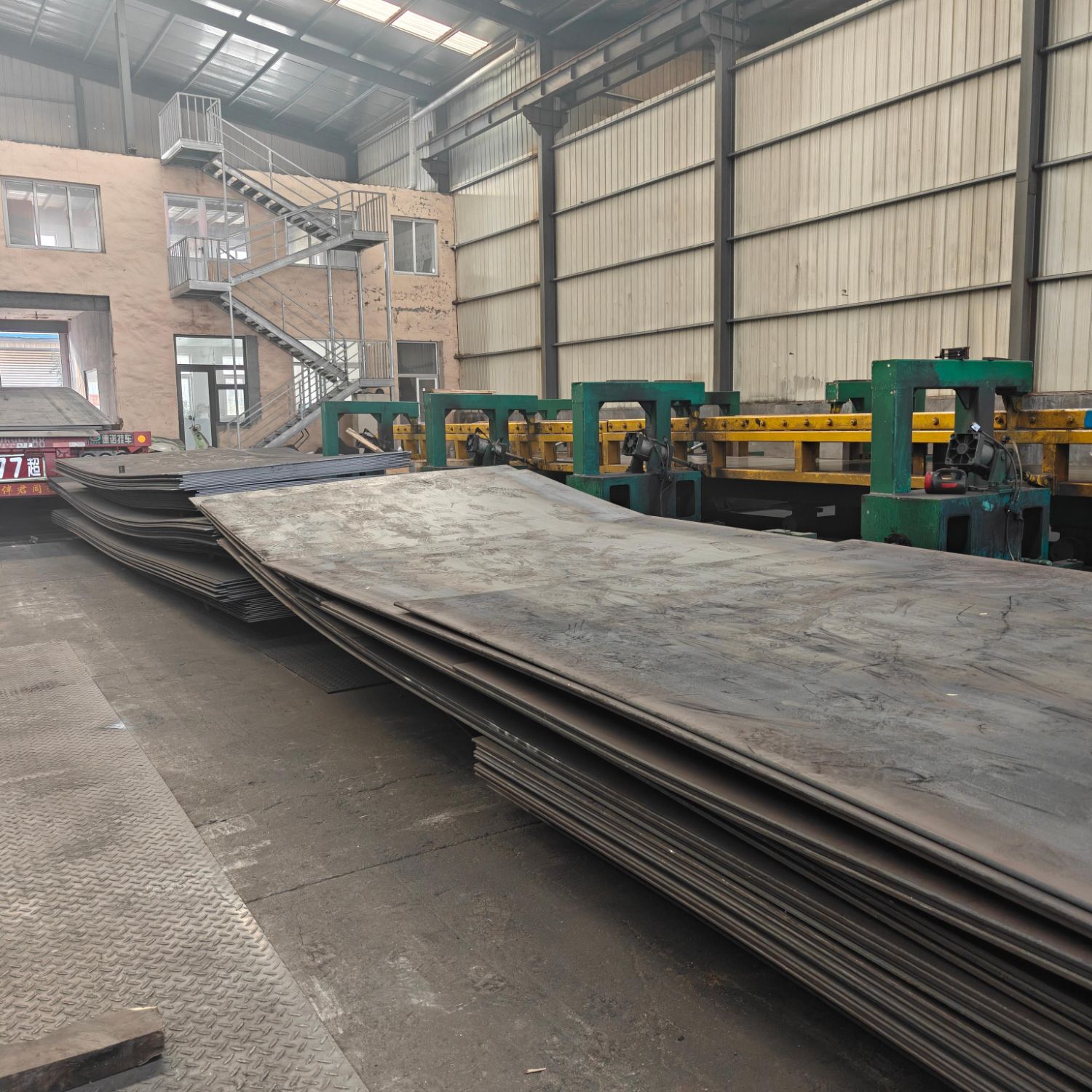
Across the world, a small circle of manufacturers has consistently set the benchmark for marine-grade plate production. These companies invest heavily in proprietary alloy development, ensuring their plates withstand the harshest saltwater corrosion and extreme pressure cycles far beyond standard requirements. Their mills operate with tight control over rolling temperatures and cooling rates, yielding plates with exceptional flatness and weldability that shipyards rely on for critical sections like hulls and ballast tanks.
What truly distinguishes these leaders is their deep collaboration with naval architects and classification societies. Instead of just offering stock dimensions, they work directly on custom profiles and pre-machined shapes, drastically cutting lead times for complex builds. Many have pioneered through-thickness property testing and ultrasonic mapping as routine, not an extra, catching inconsistencies before material ever leaves the yard. This proactive approach has made them the go-to for high-stakes projects ranging from LNG carriers to offshore wind turbine foundations.
The global footprint of these manufacturers also guarantees just-in-time delivery, even to remote yards. With strategic service centers spanning key maritime hubs, they combine localized inventory with technical support, helping engineers select the optimal grade for each application. Their continuous investment in low-emission production processes further appeals to a shipping industry increasingly focused on lifecycle environmental impact, solidifying their dominance in a market where reliability simply isn't negotiable.
How Supplier Expertise Shapes Hull Durability
A hull's longevity isn't merely the product of steel thickness or welding precision—it begins with the quiet discernment of the supplier. When a supplier has spent decades navigating the nuances of maritime grade materials, they learn to read beyond certificates and trace the lineage of every plate. They know which mills consistently produce alloys that resist channel corrosion, and how minor adjustments in heat treatment shift the microstructure toward enduring toughness. Such expertise means they reject batches that would look identical under a routine inspection but would age prematurely once kissed by salt and stress.
Beyond choosing the right stock, an expert supplier shapes durability through the rhythm of quality control. It's not just about checking, but knowing where to look. They station experienced eyes at the right intersections—where the stern meets the keel, where vibration will concentrate, where a subtle lamination defect could turn into a crack years later. Their records become a living memory of past failures, turning each hull into a lesson for the next. This continuity means that each delivery isn't just a set of components; it's a curated assembly whose every weld prep has been informed by a history of what lasts and what doesn't.
Ultimately, supplier expertise manifests in how they bridge design intent with earthly reality. They can predict how a slight variation in plate flatness will misalign scantlings under load, or how a different primer will bond in high humidity. They guide the material flow so that the bow gets sheets rolled with the grain oriented against slamming forces, while the tank tops use stock whose toughness holds at low temperatures. All this isn't spelled out in specifications—it lives in the supplier's practiced intuition. And that's why the most durable hulls often have one common unspoken signature: a supplier who didn't just fill orders, but fought silently for every millimeter of resilience.
Balancing Cost and Performance in Steel Selection
Selecting the right steel often feels like a tug-of-war between budget constraints and the need for reliable material properties. It’s rarely about finding the cheapest option or the strongest alloy—instead, the real challenge lies in aligning the steel’s characteristics with the specific demands of the application while keeping costs in check. This means taking a hard look at factors like load requirements, environmental exposure, and fabrication methods, then matching them with a grade that delivers exactly what’s needed—no more, no less.
One practical approach is to consider high-strength low-alloy (HSLA) steels, which can offer weight savings and durability without the premium price of highly alloyed stainless or tool steels. By optimizing the design to work with the material’s strengths, it’s possible to reduce overall material usage and associated costs. Additionally, partnering closely with suppliers to explore off-the-shelf dimensions and grades can sidestep the hidden expenses of custom processing, making a surprising difference in the final project budget.
Finally, life-cycle costing often flips the initial cost narrative. A material that seems expensive upfront may slash maintenance and replacement expenses over time, particularly in corrosive or high-wear settings. Factoring in long-term performance helps avoid false economies, ensuring that the steel selection holds up not just on the balance sheet today, but throughout the entire lifespan of the product or structure.
Innovations Driving Modern Shipbuilding Alloys
The shift toward lightweight yet durable materials has reshaped hull construction, with advanced high-strength steels and aluminum-lithium alloys now dominating new builds. These alloys slice weight without compromising toughness, directly boosting fuel efficiency and corrosion resistance. Modern vessels leverage fine-grained microstructures achieved through controlled rolling and thermal treatments, methods that were pipe dreams just a generation ago.
Friction stir welding has unlocked the full potential of aluminum in marine settings, producing joints with near-parent strength and minimal distortion. Meanwhile, hybrid approaches that combine steel frames with composite superstructures are gaining traction, exploiting each material's best properties while dodging galvanic corrosion pitfalls. Smart alloy design now integrates predictive modeling, letting engineers tailor compositions for specific seaways and cargo demands.
Coatings have evolved beyond simple barriers into active shields embedded with corrosion-sensing nanoparticles. Biofouling resistance is baked into the metal surface itself through engineered texturing, slashing maintenance cycles. Such innovations blur the line between alloy and system, creating hulls that adapt to their environment rather than simply enduring it.
Building for Extreme Environments: Real-World Case Studies
When a structure needs to withstand -60°C temperatures and 100 mph winds on an Antarctic ice shelf, standard building codes go out the window. The British Antarctic Survey's Halley VI station solves this with hydraulic legs and skis—allowing the entire facility to relocate as the ice shelf creeps toward the sea. Each module is jackable, meaning it can climb out of accumulating snow without needing to be dug out. This isn't architecture as object; it's architecture as expedition gear.
In the Atacama Desert, where rain may not fall for decades and solar radiation sears surfaces daily, the European Southern Observatory's Paranal Residence offers another lesson. Half-buried in a hillside with a concrete facade tinted to match the iron-rich soil, the building uses thermal mass and careful orientation to maintain livable temperatures without mechanical cooling. A central courtyard funnels the rare breeze, while narrow slit windows admit just enough light to avoid the harshness outside. It's a quiet masterclass in passive design, shaped entirely by the desert's unyielding rhythms.
Then there's the Svalbard Global Seed Vault, bored into a sandstone mountain on a Norwegian archipelago. The permafrost naturally refrigerates seeds from nearly every country, but the real trick is in the fail-safe design: even if power fails, the rock stays frozen. The entrance, a narrow concrete wedge jutting from the snow, is deliberately minimal—almost sculptural—signaling that while the vault contains humanity's agricultural backup, its survival depends on blending with the environment, not fighting it. These projects prove that extreme environments don't just test engineering; they rewrite what a building can be.
FAQ
Shipbuilding primarily uses high-strength low-alloy (HSLA) steels, such as AH36, DH36, and EH36 grades, which offer excellent toughness and weldability for marine environments.
Look for suppliers with certifications from classification societies like DNV, Lloyd’s Register, or ABS, a proven track record in marine projects, and the ability to provide plates with consistent thickness, flatness, and mechanical properties.
Countries like South Korea, China, Japan, and several European nations (e.g., Germany, Italy) are renowned for their advanced steel mills that supply premium shipbuilding plates.
Essential properties include high yield strength, excellent corrosion resistance, good low-temperature impact toughness, and reliable weldability to withstand harsh seawater conditions.
Notable global players include POSCO, Baosteel, Nippon Steel, ArcelorMittal, and JFE Steel, all known for supplying high-performance marine-grade steel.
Critical certifications include ISO 9001 for quality management and approvals from major classification societies like DNV, ABS, LR, BV, and CCS to ensure compliance with international standards.
Plate thickness directly influences hull strength and fatigue life; thicker plates are used in high-stress areas like the bottom and sides, while optimized design ensures durability without excessive weight.
Yes, some suppliers offer green steel produced with reduced carbon emissions, and high-strength grades that allow lighter vessel designs, improving fuel efficiency and lowering environmental impact.
Conclusion
The selection of shipbuilding steel plate suppliers directly determines the seaworthiness and operational life of marine vessels. Leading manufacturers supply specialized grades such as EH36 and AH32, which undergo controlled rolling and normalized heat treatments to achieve the precise balance of tensile strength, notch toughness, and corrosion resistance that hulls demand. These materials form the literal foundation of every ship, yet their performance in final construction relies heavily on how well supplier expertise aligns with a yard’s engineering needs. The top players in this sector — from established mills in Asia to niche European producers — differentiate themselves through tightly managed melt chemistries, consistent thickness tolerances, and the ability to deliver customized plate dimensions that reduce welding seams and improve structural integrity. Their technical teams work alongside naval architects to optimize material selection, ensuring that each vessel’s hull is built not just to class society minimums, but to specifications that reflect actual trade routes and loading conditions.
Innovations in thermomechanical processing and low-carbon microalloyed steels have reshaped the cost-performance equation, enabling builders to reduce plate weight without sacrificing durability. At the same time, real-world case studies — from ice-class vessels operating in Arctic fields to VLCCs facing aggressive crude sloshing — underscore the value of suppliers who invest in research and who can provide verified test data under extreme service environments. The most reliable supplier partnerships emerge when shipyards look beyond initial price, evaluating long-term factors such as delivery reliability, material traceability, and after-sales support. By integrating these considerations, the industry’s top steel plate manufacturers help create hulls that endure decades of punishing marine conditions while keeping maintenance costs in check.
Contact Us
Contact Person: Zoey
Email: [email protected]
Tel/WhatsApp: +86 15865577002
Website: https://www.sanhesteels.com