

Top Dried Flowers for Stunning Home Decor and Gifting
2026-10-15
Dried flowers are having a well-deserved moment, and it’s easy to see why. They bring lasting texture and color to a room without the upkeep of fresh bouquets, and they make gifts feel considered rather than rushed. From sculptural grasses to richly hued blooms, the right dried stems can transform a bare shelf, a quiet corner, or a simple wrapped bundle. In this post, we’re sharing the top dried flowers that truly deliver for home decor and gifting—and PHLEEYA is a great place to start your search for stems that stay beautiful long after the first day.
Dried Flowers That Outlast Fresh Blooms and Still Steal the Show
Fresh flowers have a way of stealing attention for a few bright days before wilting into a sad pile of petals. Dried blooms, on the other hand, hold onto their shape and presence for months—sometimes years—without demanding much more than a dusting now and then. Their colors shift into muted, sun-bleached tones that feel less like a fleeting gift and more like a permanent piece of decor.
There is a certain quiet confidence in a bundle of dried lavender, strawflowers, or bunny tails sitting in a heavy ceramic vase. No water changes, no snipping stems at an angle, no panicking when you leave for a long weekend. They simply stay put, gradually taking on a papery texture and a soft, rustic charm that fresh stems rarely achieve.
Arrangements of dried grasses, seed heads, and preserved eucalyptus can anchor a mantel or dining table with an understated drama. Unlike their living counterparts, they do not compete for attention with loud colors—they whisper in faded blush, oat, and sage. And when the light hits their brittle petals just right, they still manage to stop people mid-conversation.
Styling Dried Stems in Rooms Beyond the Living Room
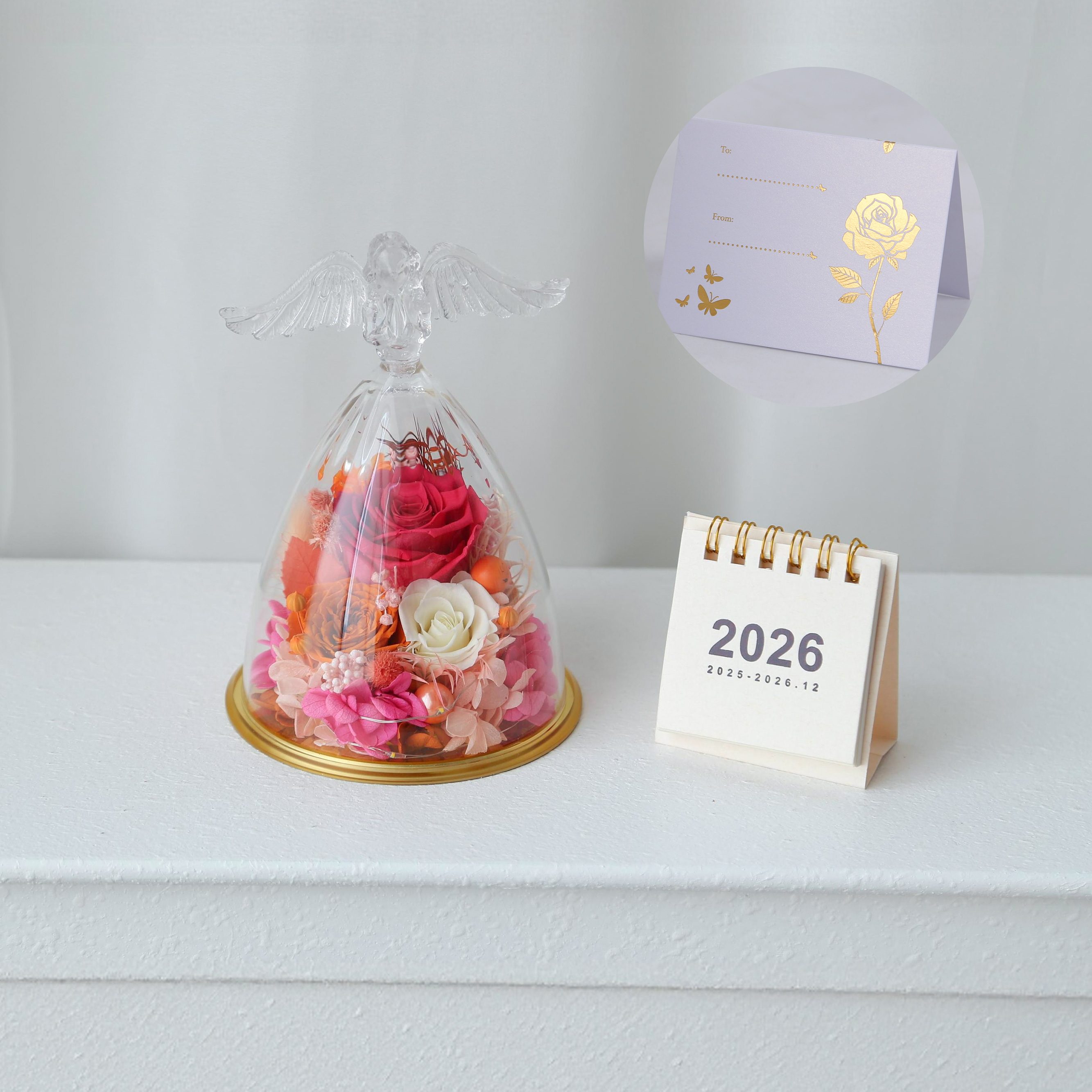
A narrow hallway or entry console is the easiest place to start. Swap the usual vase of fresh tulips for a loose bundle of dried oats, feather grass, or seed heads cut to different heights. The lack of natural light in these pass-through spots actually works in your favor, since dried stems don't fade or droop when they're tucked away from windows. Keep the arrangement low enough to clear coats and keys, and let the stems lean slightly to one side instead of standing at perfect attention.
Bathrooms want a bit more caution. Steam and splashes can make brittle stems shed or develop mold, so pick varieties with a tougher structure—think banksia, dried eucalyptus, or bleached ruscus. Set them on a high shelf or the back corner of the vanity rather than right beside the shower. If the room is small, a single sculptural stem in a narrow-necked bottle reads as intentional without stealing the only clear surface you have.
In the bedroom, dried stems can replace the clutter of bedside trinkets. One or two tall stems of curly willow or pampas in a heavy ceramic jug at the far end of the dresser add height and soften a blank wall. For the kitchen, skip anything too wispy near the stove; instead, place a small jar of dried lavender or statice on a windowsill above the sink, where lingering cooking smells won't coat the petals as quickly.
Picking Varieties That Keep Their Color Without Constant Care
The trick to low-maintenance color isn't more fertilizer—it's choosing plants whose pigments don't fade the moment you get busy. Varieties like 'Limelight' hydrangea or 'Golden Spirit' smoke bush are bred to hold their hue through heat and drought, so skipping a week of watering won't leave you with a washed-out border.
Rather than chasing fussy hybrids, look for species with naturally stable coloration. Sedums, heucheras, and little bluestem grass deepen their tones as autumn arrives without any deadheading or staking from you. One early-spring cutback is enough to keep them looking deliberate instead of abandoned.
If you want proof, browse a nursery in late summer. The plants still showing strong color on the discount table are the ones that can handle your busiest months—that real-world test beats any label promise.
Thoughtful Dried Bouquets for Gifting Without the Generic Vase
A bunch of dried blooms already says “I remembered you long enough to choose something that won’t wilt in three days.” But handing over the same clear glass cylinder everyone else uses can flatten that feeling. Instead, wrap the stems in a length of raw linen or recycled kraft paper, tie them with a strip of cotton twine, and let the bouquet stand on its own. The absence of a vase makes the gift feel less like a store display and more like a bundle you gathered yourself.
For a more personal touch, skip the vase entirely and nest the bouquet in a shallow ceramic bowl, a chipped enamel pitcher from a flea market, or even a repurposed wooden crate. Dried grasses, seed pods, and a few stems of lavender tucked among the flowers add a wild, gathered look that a uniform arrangement can’t match. If you know the recipient’s style, match the wrapping to their home—soft eucalyptus green for a minimalist, warm terracotta and ochre for someone who loves rustic textures.
What makes these bouquets thoughtful isn’t just the flowers themselves, but the quiet decisions around them. Maybe you tuck a handwritten note under the twine with care instructions, or include a small linen sachet of the same dried herbs so the scent lingers after the bouquet is gone. The point is to give something that feels chosen for one person, not pulled from a shelf—and that means leaving the generic vase behind.
Layering Dried Flowers with Grasses and Twigs for Depth
Dried flowers alone can look flat, but introducing grasses and twigs changes the entire feel of an arrangement. The slim, arching lines of oat grass or bunny tails pull the eye upward, while wiry twigs add a scratchy, natural counterpoint that keeps things from feeling too neat. Instead of placing everything at the same height, push a few grass stems deeper into the vase and let a couple of twigs lean outward at odd angles, so the piece gains a sense of movement rather than sitting like a static bouquet.
Working in layers means thinking about what sits behind what. Put the darkest or most textured twigs toward the back of the arrangement, then settle mid-sized dried blooms in front of them, leaving the lightest grasses to float at the edges or top. This creates visual pockets and shadows, so the eye doesn't read the piece as a single mass. Try repeating a shape, like three curved twigs on the left and two on the right, but vary their lengths slightly; the repetition gives rhythm without making the design feel formulaic.
Don't be afraid to let some elements break the outline. A thin branch poking just beyond the main cluster or a stalk of wheat drooping forward can make the whole thing feel gathered from a field rather than assembled by hand. If the arrangement starts to look too sparse, tuck a few shorter grass blades near the base to fill the gap between stems and vessel, but keep the overall silhouette loose. That unfinished, slightly wild edge is often what makes layered dried arrangements feel alive instead of stiff.
Keeping Dried Arrangements Looking Intentional, Not Neglected
One of the quickest ways to make a dried arrangement feel abandoned is to let it collect dust or fade into the background. Treat it like any other piece of decor: give it a gentle once-over with a soft brush or low-pressure air every couple of weeks, and rotate stems that have shifted or drooped so the silhouette stays crisp.
If you notice brittle leaves or a color that has dulled too much, don't toss the whole bunch. Pull out the tired bits, trim stems at different heights, and reintroduce a few fresh dried grasses or seed heads to bring back depth. The goal is a composition that still feels curated rather than frozen in time.
Placement matters as much as upkeep. Keep the arrangement away from direct sun and humid spots like bathrooms or over radiators, which can warp stems and accelerate crumbling. A simple seasonal swap of one or two accent pieces can keep the look deliberate instead of forgotten.
FAQ
Strawflowers, globe amaranth, and statice are your best bets if you want colors that stay true for years. Lavender and bunny tails also keep their soft tones from fading too quickly, making them reliable choices for spots that get a bit of indirect sun.
Try hanging small bunches upside down from a curtain rod or shelf edge for a floating garden effect. You can also press individual blooms into glass frames, tuck a few stems into a woven basket with dried grasses, or use single stems as napkin accents on a dinner table.
Pampas grass, dried oats, and white or cream strawflowers create a soft, muted palette that feels warm rather than stark. Pair them with bleached ruscus or bunny tails in a ceramic or stoneware vessel for a gift that looks curated without being overly fussy.
Use a soft-bristled paintbrush or a hairdryer on the cool, low setting to gently remove dust every few weeks. Keep arrangements away from direct sunlight and humid rooms like bathrooms, and consider giving stems a light mist of unscented hairspray to help petals stay intact.
Yes, darker dried blooms like burgundy celosia, deep red rose buds, and dried eucalyptus hold up beautifully in dim corners because they don’t rely on light to look rich. Textural elements like lotus pods and banksia also add interest without needing a sunny windowsill.
Mix deep orange and rust-colored strawflowers with natural dried wheat stalks, a few sprigs of preserved oak leaves, and dark red globe amaranth. Add in some dried Chinese lantern pods for a pop of shape, and place everything in a low, wide bowl or a vintage brass container.
Absolutely, but choose fresh flowers that dry well too, like roses, statice, or baby's breath. Keep the fresh stems in a small water tube hidden within the dried bundle, or simply accept that the fresh parts will dry over time and blend into the arrangement naturally.
Strawflowers, statice, and dried yarrow have strong stems and hold their shape when wired. For texture, use dried grasses like wheat or bunny tails, and include a few preserved eucalyptus branches or dried berry clusters to give the wreath a full, layered look without falling apart.
Conclusion
Dried flowers earn their place not by mimicking fresh bouquets but by doing what fresh stems cannot: holding shape and color for months without a single water change. Strawflower, statice, gomphrena, and lavender keep their saturated tones even when you forget them on a shelf, making them ideal for rooms beyond the living room. A small bundle of deep burgundy strawflowers in a narrow ceramic jug brings quiet warmth to a bedroom dresser, while a few sprigs of white statice tucked into a bathroom wall hook stay crisp away from steam. The trick is choosing varieties that look intentional dried, not just wilted; globe amaranth and craspedia add architectural dots of color that read more like sculpture than leftover blooms.
Layering these stems with grasses and twigs gives an arrangement depth without extra effort. Pampas grass and bunny tails soften the silhouette, while a few dark twigs or dried broomcorn add structure and keep the mix from looking too precious. For gifting, skip the standard vase and wrap a small handful of dried blooms in textured paper with a handwritten note, or nestle a bundle into a handmade ceramic cup the recipient can reuse. To keep arrangements looking deliberate rather than forgotten, shake off dust with a cool blow dryer once a month, rotate stems so one side does not fade, and pull any piece that starts to look brittle. These small habits let dried flowers stay vivid and purposeful long after the original occasion has passed.
Contact Us
Contact Person: Mr. Luo
Email: [email protected]
Tel/WhatsApp: 86 18100895505
Website: https://www.feiliyaflowers.com/en/