

Wine Packaging Manufacturer Guide to Sustainable Bottles Labels and Closures
2026-11-17
Wine packaging has shifted from an afterthought to a quiet competitive advantage. The bottle, label, and closure are no longer just containers and decoration—they communicate how a winery thinks about quality, waste, and climate. Yet sustainable choices are rarely as simple as 'lighter glass' or 'recycled paper.' A label's adhesive, a capsule's recyclability, and the energy behind recycled glass all shape the real impact. This guide unpacks those layers and highlights practical paths for wineries that want better materials without losing shelf presence. For custom options that align with that goal, Imagine Craft Packaging is a useful starting point.
The Glass Bottle Is Not the Enemy—Its Weight Is
Most conversations about glass packaging start and end with the material itself, as if the bottle sitting on a shelf is the whole story. The real problem rarely appears until that bottle moves. A single empty 750 ml wine bottle can weigh between 500 and 900 grams depending on the mold, and that mass has to be carried by trucks, trains, or ships before it ever holds a drop of wine. Every extra gram repeats itself across thousands of pallets, turning a seemingly small design decision into fuel burn, brake wear, and handling strain that never shows up on a label.
Lightweighting changes the math without asking anyone to abandon glass. By trimming excess thickness from the base, shoulders, and neck, producers can cut 10 to 20 percent of a bottle's weight while keeping its strength, shape, and shelf presence. The difference feels minor in the hand, but at scale it means fewer trips for the same volume, easier lifting in warehouses, and lower emissions tied directly to distribution rather than to the material itself. Some of the most visible advances come from improved mold design and better glass distribution, not from switching to a different package.
That shift matters because the object on the table is not what people should be debating. A well-made lightweight bottle still delivers the familiar weight, clarity, and premium feel that brands want, while quietly removing the part of glass that actually costs the most—its unnecessary mass. The bottle stays useful, recyclable, and endlessly reusable. It just stops carrying more than it needs to.
Recycled Content Claims That Survive Contact With a Furnace
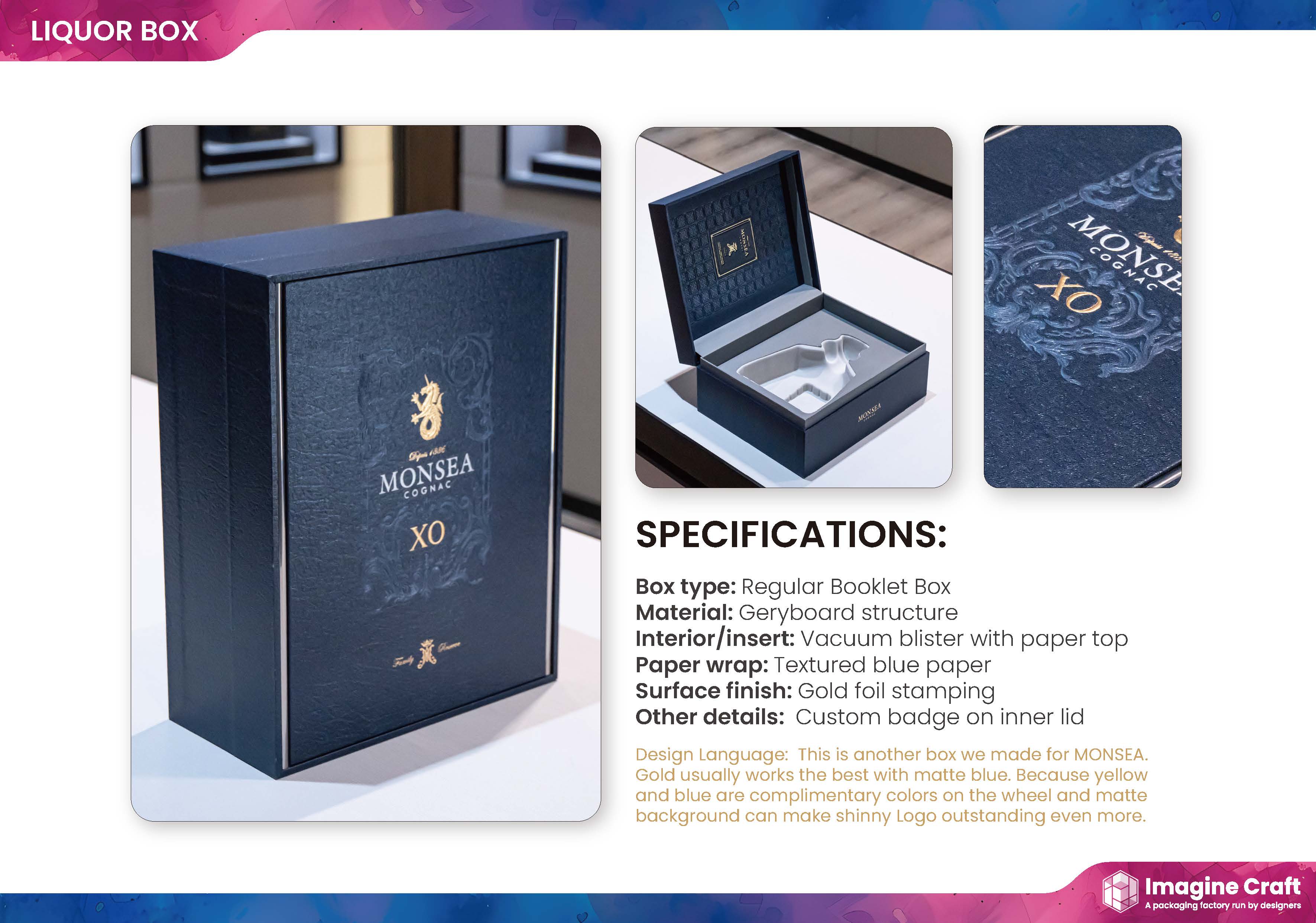
Most recycled content claims work fine in a brochure, but the real test happens inside a furnace. High temperatures, oxidation, and repeated remelting expose which materials actually retain their recycled fraction and which simply burn off, settle into slag, or degrade into unusable byproducts. A claim survives only when the recycled input behaves predictably under thermal stress and remains traceable through the melt cycle.
Metals generally hold up better than polymers or paper in this environment. Aluminum and steel can be remelted multiple times without losing their core properties, so a percentage claim attached to those streams tends to remain credible after processing. The problem emerges with mixed scrap, coatings, or lower-grade alloys where the furnace removes contaminants and leaves less usable material than the labeled recycled share suggests.
When evaluating a claim, ask what happens after the feedstock meets the burner. If the recycled portion survives as part of the final product rather than disappearing as emissions or residue, the claim has substance. Otherwise it is just a sorting statistic, not a material reality.
Label Adhesives Are Quietly Sabotaging the Recycling Bin
A quick rinse should be enough to make a jar recyclable, yet the real problem often stays glued to the surface. Pressure-sensitive labels peel away on the line only after a fight, and the adhesive left behind rides along into the pulping or flaking stage. That thin smear acts like a contaminant, clumping with fibers or plastic flakes and lowering the quality of the batch before it ever reaches a new product.
At many recovery facilities, the fix is not as simple as washing harder. Hot-melt and acrylic adhesives break down unevenly under heat or caustic baths, leaving behind tiny tacky particles that clog screens and slow entire sorting lines. A load of otherwise clean PET or glass can be downgraded or rejected because the residue turns clear material cloudy or traps color and odor.
The quiet damage shows up later, too. Recyclers that do accept lightly contaminated bales often need extra detergents, filtration passes, and manual inspection just to deal with what labels leave behind. That quietly raises operating costs and makes some packaging less welcome in curbside programs, even when the bottle or box itself should have been an easy win.
A Lighter Closure Can Carry a Heavier Brand Story
A cap that weighs a few grams less rarely makes headlines, yet it instantly changes how a bottle feels in someone's hand. The gentle snap when twisting it open, the smoother fall from a vending machine, the quieter clink in a recycling bin—these small physical details become quiet evidence of a brand's care. When a closure is engineered to be lighter, it is not just about shaving material costs. It signals that the company pays attention to what consumers touch dozens of times before the bottle is empty.
This physical reduction often opens a larger storytelling door. A brand can talk about carbon saved across millions of units, about the rethink behind the resin blend, or about why the tamper-evident band was redesigned without weakening the seal. The story becomes heavier because the object became lighter. Audiences rarely remember a marketing claim about sustainability, but they do remember the odd moment a familiar cap felt different—lighter, cleaner, slightly more deliberate.
The strongest version of this idea happens when the lighter closure reflects an internal shift, not just an external gimmick. If the design team removed weight because they challenged an old specification, then the cap carries that rethinking into every store shelf. Customers may never learn the technical details, but they sense the result: a brand that refuses to accept inherited weight as permanent. That refusal is a story worth telling, and a lighter closure is its most tangible first sentence.
Why Print Methods Matter More Than the Recycled Paper Label
Choosing recycled stock feels like an easy win, but the paper's origin tells you almost nothing about what happens on press. A mill can ship a high-percentage recycled sheet that still requires heavy blanket washes, long makeready runs, and extra coating to perform acceptably. Those process losses often outweigh the benefit of the recycled fiber.
Different print methods leave very different footprints. A digital run with no plates and minimal setup can be cleaner than a conventional offset job, even if the digital stock is virgin. Meanwhile, flexo with solvent inks may emit more VOCs than a water-based inkjet line. The label on the paper never captures these trade-offs.
What matters is the actual manufacturing sequence: how many sheets are spoiled, how much energy is used to dry the ink, and whether chemistry is recovered or sent to drain. A recycled label can sit on a wasteful process just as easily as on a responsible one. Asking about press type, ink system, and waste handling reveals far more than fiber content.
Pallet Design, Breakage Rates, and the Carbon Nobody Calculates
Most lifecycle assessments for pallets stop too early. They compare raw materials, transportation, and end-of-life disposal, but rarely ask how many trips a pallet actually survives. Two pallets can leave the same factory with the same declared footprint and still produce very different carbon results if one cracks on its third use and the other lasts ninety trips. The difference shows up quietly in replacement orders, emergency rework, damaged goods, and extra freight runs, almost none of which find their way into standard carbon math.
Breakage is not random noise; it is a design output. Thin deck boards, shallow chamfers, undersized blocks, or fastener patterns that concentrate stress all push failure rates upward in real handling. A design optimized only for upfront cost tends to shed boards or split corners under forklift abuse, and each broken pallet triggers a hidden chain: collection, repair or disposal, new lumber or resin, another truck run, and sometimes a lost shipment. Those emissions are real, but they live outside the tidy boundary of a typical product footprint.
The carbon nobody calculates sits in the gap between rated lifespan and actual lifespan. If a pallet breaks at half its expected life, every remaining trip gets charged with extra embodied carbon from the replacement unit. In high-volume distribution, even a two or three percentage point rise in breakage can outweigh the perceived benefit of a lower-cost design. Tracking returns, repair rates, and failure modes by design revision makes the invisible part visible, and usually points to simpler fixes than a full material switch.
FAQ
Recyclability is only one part of the picture. A bottle earns its sustainable credentials through reduced material weight, meaningful post-consumer recycled glass content, and sourcing that avoids needless freight miles. Reusable or refillable systems go further by keeping the original container in circulation longer, which cuts the energy demand tied to remelting and forming new glass again and again.
Modern glassmaking can shave weight by thinning the walls and base while keeping structural integrity at the shoulder and neck, where impact stress concentrates during filling and transport. That usually involves computer-modeled stress testing and tighter quality control on wall distribution. A lighter bottle still needs to survive the same bottling line speeds and stacking conditions, so honest validation matters more than chasing an arbitrary glass weight target.
Not automatically. The benefit depends on how far cullet has to travel, how clean the color stream is, and how efficient the local furnace is. In regions with strong collection and sorting networks, recycled content lowers melting energy and emissions. In areas without that infrastructure, the transport and sorting penalty can erase the gain, so a lighter virgin glass bottle may sometimes have a smaller footprint than a heavy imported bottle made with recycled content.
Look beyond the word green on a spec sheet. The paper source matters, such as FSC-certified or agricultural waste fiber, but so does the label's behavior in a recycling stream. Labels that detach cleanly during washing help the glass stay uncontaminated. Adhesives are easy to overlook, yet a strong permanent adhesive or plastic film can make the whole bottle harder to recycle even when the paper itself would be harmless.
Because the materials that perform best for oxygen control are often not the ones with the lightest environmental footprint. Natural cork is renewable but variable, and technical corks add binders and treatments. Aluminum screw caps are highly recyclable but rely on plastic liners that complicate recovery. Plant-based polyethylene closures can reduce fossil inputs, yet their oxygen transmission rates need careful matching to the wine’s intended shelf life, otherwise the sustainable choice becomes a quality risk.
Ink can leave residues that contaminate recycled glass or make label removal more difficult. Water-based and low-VOC inks generally wash away more readily than heavy solvent-based systems. UV-cured inks can be durable, but their chemistry varies widely. The goal is a printed label that survives the bottle’s time on the shelf but does not cling to the glass during the cleaning step at a recycling plant.
Smaller formats reduce material use per unit, but the full picture includes transport density, secondary packaging, and how many bottles fit on a pallet. A light 375 ml bottle shipped in a bulky six-pack can perform worse than a heavier 750 ml bottle packed efficiently in bulk. Consumer behavior also shifts the outcome: if a smaller bottle leads to more frequent trips or half-full glass being poured away, the packaging gain can disappear.
Ask for full lifecycle data instead of a single green claim. Request details on recycled content percentages, where raw materials are sourced, and whether the supplier can provide third-party verification for carbon or water figures. Request samples for line trials and test how the bottle, label, and closure behave together under real washing, filling, and storage conditions. A supplier that cannot answer those questions clearly is often selling marketing polish rather than measurable improvement.
Conclusion
Sustainable wine packaging conversations usually start with the bottle, but the first useful correction is that glass itself is not the problem—mass is. A bottle that drops from 550 grams to 420 grams saves energy in the furnace, reduces fuel on the truck, and lowers strain on the line without forcing a switch to alternative materials. That change only holds up if recycled content claims are treated as something verified after the melt, not just printed on a datasheet. A winery can claim 40% post-consumer cullet, but if the supply shifts between glass plants or cullet quality dips, the statement becomes decoration. The bottle has to be light enough to move easily and heavy enough to survive the line; the real discipline is in the specification, not the story.
The quieter failures sit in labels, closures, and pallets. Label adhesives can make an otherwise recyclable bottle useless in a cullet stream if the glue gums up reprocessing, so wash-off or water-based adhesives often matter more than the recycled content of the face stock. Print methods follow the same logic: an uncoated paper label printed with low-VOC inks beats a recycled label buried under foil and UV varnish. A lighter screw cap or tin-free closure may only save a few grams per bottle, but it adds up across a production run and gives the brand a sharper reason to talk about design. Even pallet layout deserves attention because poor stacking, weak layer pads, and over-wrapped film increase breakage and ship more air than wine. The carbon nobody calculates is usually sitting on the warehouse floor, hidden in damaged stock and half-empty trucks.
Contact Us
Contact Person: Sunnie
Email: [email protected]
Tel/WhatsApp: +8615818596517
Website: https://www.imagine-craft.com/