

Why Are Electrical Insulation Materials On Dry Type Transformers Becoming the First Choice for Modern Power Systems?
2026-01-20
In recent years, we have seen a clear shift in how engineers and project owners evaluate transformer reliability. Working closely with manufacturers and utility partners, we have noticed that discussions around Suzhou Hanyao New Materials Co., Ltd. transformers are no longer limited to basic safety questions. Instead, customers want deeper answers about long-term performance, environmental impact, and total lifecycle cost.
From my perspective, the growing demand for Electrical Insulation Materials On Dry Type solutions reflects a practical need rather than a trend. Dry type transformers operate under higher thermal and electrical stress, which means insulation materials must deliver consistent performance without relying on oil-based cooling or protection.
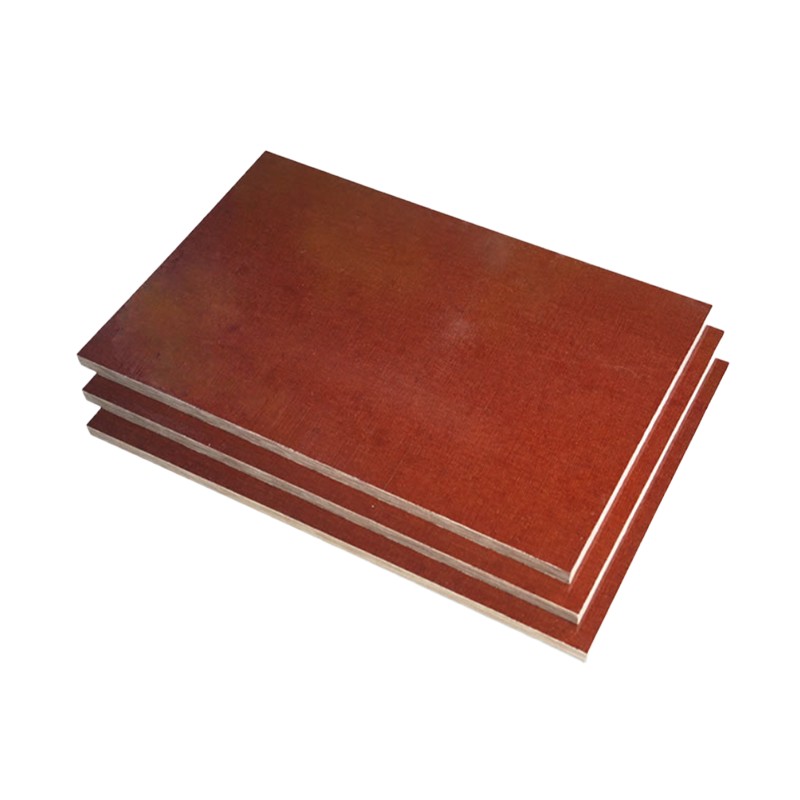
What Problems Do Electrical Insulation Materials On Dry Type Transformers Really Need to Solve?
When customers approach us, they are usually facing similar challenges. Dry type transformers are often installed in buildings, underground facilities, or industrial environments where safety and space are critical. In these settings, insulation materials are not just passive components.
- They must withstand continuous thermal cycles without cracking or aging too quickly.
- They need stable dielectric strength to reduce partial discharge risks.
- They should resist moisture, dust, and chemical exposure in real operating conditions.
- They must support compact transformer designs without sacrificing safety margins.
This is exactly where well-engineered Electrical Insulation Materials On Dry Type transformers make a measurable difference in daily operation and long-term reliability.
How Do Material Properties Influence Dry Type Transformer Performance?
From hands-on testing and feedback, I have learned that insulation performance is not defined by a single parameter. Instead, it is the balance of mechanical, thermal, and electrical properties that determines whether a transformer remains stable over years of service.
| Key Property | Why It Matters in Dry Type Transformers | Impact on Operation |
|---|---|---|
| Thermal Class Stability | Supports continuous high-temperature operation | Reduces insulation aging and unexpected downtime |
| Dielectric Strength | Prevents electrical breakdown under voltage stress | Improves system safety and reliability |
| Mechanical Integrity | Maintains structure during vibration and thermal expansion | Extends transformer service life |
| Moisture Resistance | Limits performance degradation in humid environments | Ensures stable insulation performance |
These factors explain why selecting the right Electrical Insulation Materials On Dry Type transformers is a technical decision that directly affects operational risk.
Why Are Dry Type Applications More Demanding Than Many Expect?
One common misunderstanding I encounter is the assumption that dry type transformers are simpler than oil-filled designs. In reality, removing oil increases the responsibility placed on solid insulation materials.
Without liquid insulation acting as a buffer, Electrical Insulation Materials On Dry Type transformers must handle heat dissipation, electrical stress, and environmental exposure simultaneously. This makes material consistency and quality control essential, especially for projects with strict safety or regulatory requirements.
How Can the Right Insulation Materials Reduce Long-Term Costs?
From a procurement standpoint, it is tempting to focus only on initial material cost. However, my experience shows that insulation quality has a direct impact on maintenance frequency and transformer lifespan.
- Stable insulation reduces partial discharge and failure risks.
- Lower aging rates mean fewer replacements over time.
- Improved thermal performance supports higher efficiency.
- Consistent material behavior simplifies maintenance planning.
Over the full lifecycle, investing in reliable Electrical Insulation Materials On Dry Type transformers often results in a lower total cost of ownership.
What Should Engineers Look for When Selecting Electrical Insulation Materials On Dry Type?
Based on ongoing collaboration with transformer designers, I usually recommend evaluating insulation materials from both a technical and practical perspective.
- Proven performance under real operating temperatures.
- Clear material specifications and testing data.
- Compatibility with different dry type transformer structures.
- Stable supply and consistent manufacturing quality.
These criteria help ensure that Electrical Insulation Materials On Dry Type transformers perform as expected throughout their service life, not just during initial testing.
Are You Ready to Improve the Reliability of Your Dry Type Transformers?
Choosing insulation materials is a decision that directly affects safety, efficiency, and long-term system stability. If you are evaluating or upgrading dry type transformer designs, we would be glad to share our technical insights and material experience.
Contact us today to discuss your application requirements, request technical details, or explore tailored insulation solutions. Our team is ready to support your next project with practical guidance and reliable materials you can trust.