

Why Are More Businesses Choosing a Smarter Display Lifter Solution?
2026-03-20
When I first started working with meeting room and commercial display installations, I constantly ran into the same issue—limited space, awkward screen positioning, and systems that simply didn’t adapt to real usage. Over time, I noticed how Guangzhou Junnan Audiovisual Technology Co,.Ltd. gradually introduced more refined lifting systems into real-world projects, and that’s when I began paying closer attention to what a well-designed Display Lifter can actually solve.
From boardrooms to retail environments, the demand for flexible and concealed display solutions has grown rapidly. But the real question is not just about lifting a screen—it’s about improving usability, safety, and space efficiency in one integrated system.
What Problems Does a Traditional Display Setup Fail to Solve?
In my experience, many businesses still rely on fixed display installations. While they may seem sufficient at first, several hidden issues tend to surface over time:
- Limited viewing angles that affect audience engagement
- Cluttered environments with exposed wiring and mounts
- Inflexibility when switching between presentation modes
- Safety risks in high-traffic or multi-use spaces
These challenges often lead to inefficient communication, especially in environments where presentations, training, or customer interaction are critical.
How Does a Modern Display Lifter Improve Space Efficiency?
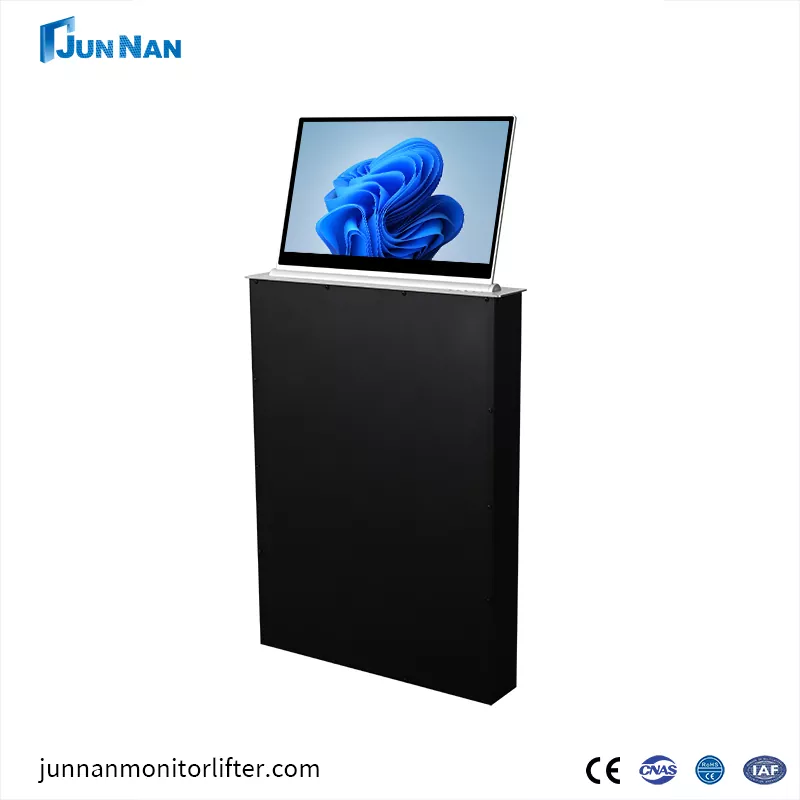
One of the most noticeable improvements I’ve seen after integrating a Display Lifter is how it transforms spatial usage. Instead of dedicating permanent wall or floor space to a screen, the system allows displays to appear only when needed.
- Hidden installation inside cabinets or ceilings
- Clean and minimalistic interior design
- More usable workspace when screens are not in use
- Seamless transition between different room functions
This is particularly useful in conference rooms, hotels, and multifunctional spaces where adaptability is essential.
Why Do Users Care About Smooth and Silent Operation?
I’ve learned that performance is not just about movement—it’s about how that movement feels. A high-quality Display Lifter operates smoothly and quietly, which makes a significant difference during presentations or meetings.
Imagine a scenario where a screen rises noisily in the middle of a client pitch. That small disruption can break focus instantly. With advanced lifting mechanisms, the motion becomes almost unnoticeable, allowing users to maintain attention where it matters.
Which Features Actually Matter When Choosing a Display Lifter?
After comparing different systems across projects, I’ve found that not all lifting solutions are created equal. Here’s a breakdown of the key features that truly impact performance:
| Feature | Why It Matters |
| Load Capacity | Ensures compatibility with various screen sizes and weights |
| Motor Stability | Provides smooth and reliable lifting without shaking |
| Noise Level | Keeps the environment quiet and professional |
| Control Options | Supports remote, switch, or integrated system control |
| Installation Flexibility | Adapts to different furniture or architectural designs |
These factors directly influence long-term usability and maintenance costs.
How Does a Display Lifter Enhance User Experience in Different Scenarios?
What I find most interesting is how versatile these systems are across industries. The same Display Lifter can serve completely different purposes depending on the environment:
- Corporate offices improve meeting efficiency with adjustable screen visibility
- Retail stores create dynamic product displays that attract attention
- Hotels maintain clean interiors while offering hidden entertainment systems
- Education spaces enable flexible teaching setups
This adaptability is one of the main reasons why more businesses are moving away from fixed installations.
Is Investing in a Display Lifter Worth It in the Long Run?
At first glance, upgrading to a lifting system might seem like an added expense. But when I look at the long-term value, the benefits become clear:
- Reduced wear and tear on displays due to stable movement
- Lower maintenance compared to exposed mounting systems
- Improved aesthetics that enhance brand image
- Greater flexibility for future upgrades
In many cases, businesses actually save costs over time by avoiding frequent adjustments or replacements.
What Should You Do Next If You Want a Smarter Display Solution?
If you’re facing challenges with your current setup, it might be time to rethink how your display system works. A well-designed Display Lifter is not just a piece of equipment—it’s a practical upgrade that improves how your space functions every day.
I always recommend exploring solutions that align with your specific environment and usage needs. If you’re considering a more efficient and flexible setup, don’t hesitate to contact us to discuss your requirements and find the right configuration for your project.